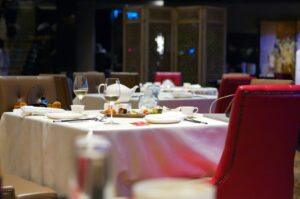
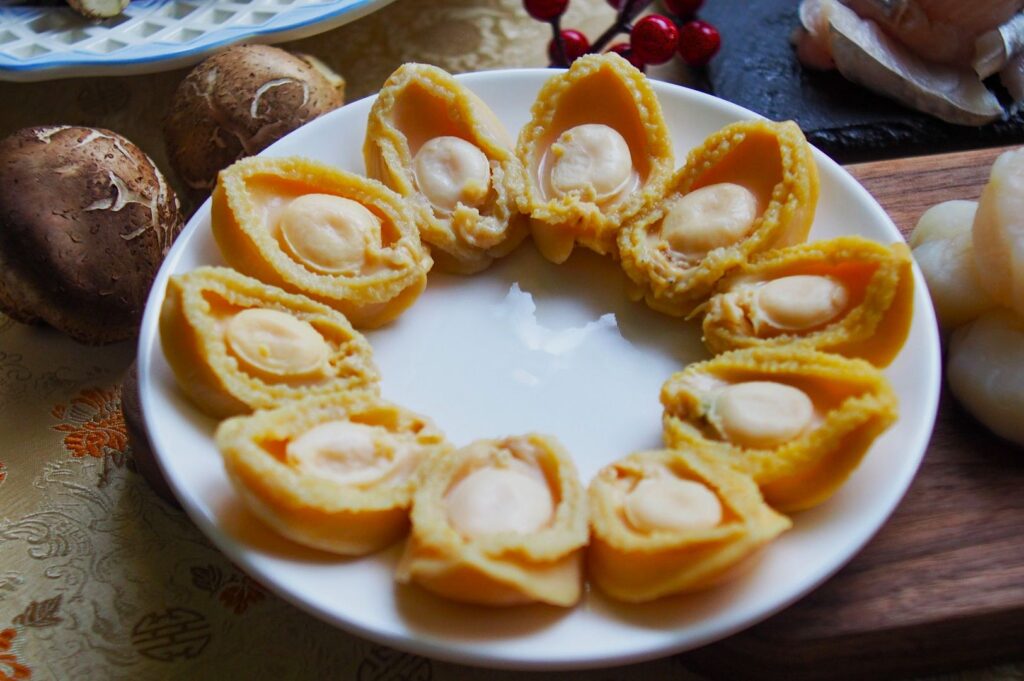
In Singapore’s rich and diverse culinary tapestry, Abalone Singapore stands out as an emblem of luxury, patience, and deep-rooted tradition. Revered for its tender texture and subtle oceanic flavor, abalone is a delicacy that commands respect and admiration. Abalone is enjoyed not only in Singapore but also across Southeast Asia, where it holds regional significance and is celebrated in the cuisines of countries like Thailand and Vietnam. Unlike many quick-to-serve street foods, abalone demands a slow, meticulous process—often involving days of soaking, braising, and tenderizing—to unlock its full, exquisite flavor and achieve the perfect melt-in-your-mouth texture. This dedication to craftsmanship makes abalone not just a dish, but a culinary experience in Singapore that reflects its heritage of refined gastronomy.
Abalone is highly valued for its nutritional benefits. It is rich in protein, low in fat, and contains essential vitamins and minerals such as Vitamin B12, iron, and selenium. The omega-3 fatty acids in abalone may support heart health, while its high zinc content can help enhance immune function, making it a healthy choice for those seeking a balanced diet.
Fresh abalone should have a firm texture and a clean, ocean-like smell. To maintain its tender texture, it is important not to overcook abalone. Soaking abalone in water before cooking is recommended to help tenderize it. Abalone can be served with a variety of sauces, such as soy sauce or garlic butter, to enhance its flavor.
Seven species of abalone have been recorded in local waters around Singapore, including Haliotis asinina and Haliotis planata, highlighting the diversity of abalone in the region. Dried abalone is graded by “heads” (pieces per catty/600g), with fewer heads indicating larger and more expensive abalone. The majority of abalone consumed in Singapore is imported and is available in fresh, canned, or dried forms.
Introduction to Singaporean Cuisine
Singaporean cuisine is a refined blend of Chinese, Malay, Indian, and Western culinary traditions, crafted over generations into a harmonious gastronomic identity. This synthesis is reflected in iconic dishes like Hainanese Chicken Rice, where fragrant rice cooked in chicken fat is paired with tender poached chicken, spicy chili sauce, and soft boiled eggs. Other beloved dishes include Bak Kut Teh, a flavorful pork bone tea broth, and Chili Crab, known for its balanced richness.
Exploring hawker centres such as Maxwell Food Centre reveals the mastery behind dishes like Char Kway Teow, Peranakan Food blending Chinese and Malay flavors, and the city’s signature sweet milk tea. Whether enjoying kopi in a traditional coffee shop or savoring Peranakan cuisine, Singapore offers a culinary experience rooted in discipline, cultural fusion, and thoughtful preparation.
The Art and Tradition of Abalone Preparation in Singapore
Abalone is traditionally prepared using time-honored Chinese cooking techniques that emphasize preserving its delicate taste and texture. Popular methods include braising abalone in rich, savory sauces made from ingredients like dark soy sauce, oyster sauce, and aromatic herbs, or steaming it gently to highlight its natural sweetness. Expert chefs in Singapore’s best Singapore restaurants often pair abalone with complementary ingredients such as fresh seafood, seasonal vegetables, or luxurious sauces, and it is commonly served alongside these accompaniments to elevate the dish’s complexity. These culinary creations celebrate both the ingredient’s premium quality and the chef’s skill, offering diners an indulgent taste of heritage and innovation.
Abalone’s Emerging Presence in Hawker Centres and Hawker Stalls: Bridging Luxury and Street Food
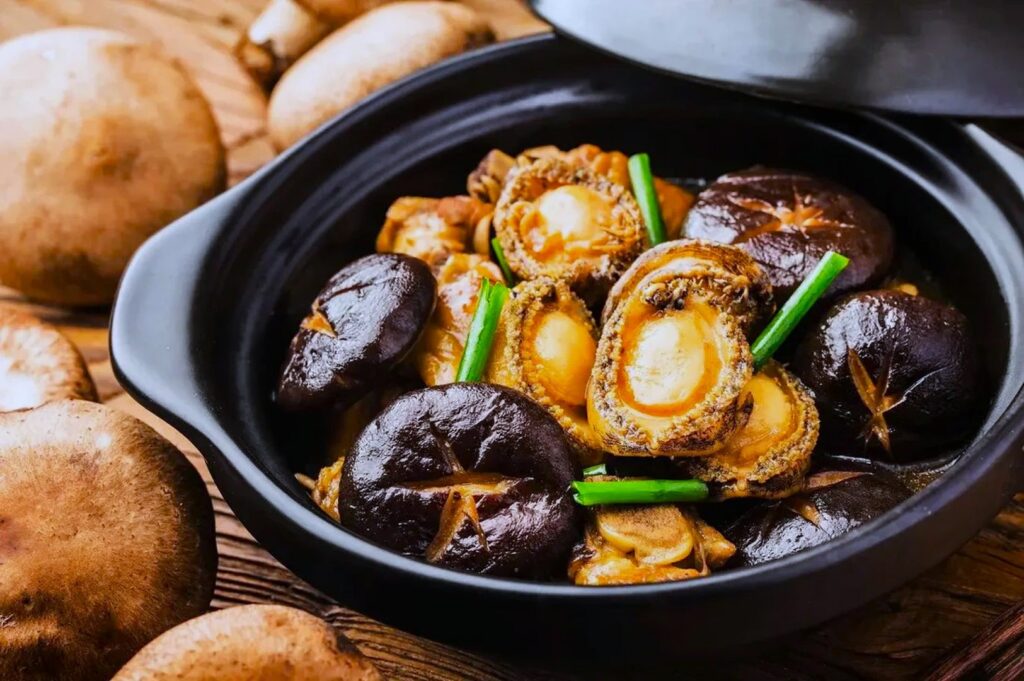
While abalone has traditionally been synonymous with upscale dining, its presence is increasingly felt in Singapore’s bustling hawker centres, reflecting the city’s evolving food landscape. Abalone is becoming a popular dish at hawker centres, enjoyed by locals and tourists alike. Common Singaporean dishes using canned abalone include abalone congee and braised abalone with vegetables like bok choy. Top brands of canned abalone in Singapore include New Moon, Skylight, and Calmex. Select hawker stalls now incorporate canned or dried abalone into their menus, making this luxury ingredient more accessible to everyday food lovers. This fusion approach allows diners to enjoy abalone alongside classic hawker stalls favorites like Hainanese Chicken Rice—featuring fragrant rice cooked in chicken fat and served with soft boiled eggs and spicy chili sauce—or as an accompaniment to the iconic Chili Crab. Such pairings highlight the dynamic nature of Singapore food culture, where traditional luxury ingredients meet the vibrant, affordable street food scene.
Ideal Hawker Dishes like Hainanese Chicken Rice to Pair with Abalone for a Complete Experience
To truly appreciate the delicate flavors and texture of abalone, it is often paired with some of Singapore’s most beloved street foods that offer bold and complementary tastes:
Katong Laksa: Rich and creamy, made with coconut milk and rice noodles, providing a spicy and aromatic counterpoint to abalone’s subtlety. The laksa’s complex blend of spices and fresh seafood components enhance the luxurious mouthfeel of abalone, creating a harmonious balance of flavors.
Hainanese Chicken Rice: Singapore’s national dish featuring tender poached chicken served with fragrant rice cooked in chicken fat, accompanied by spicy chili sauce and soft boiled eggs. The flavorful rice and succulent chicken make it a perfect pairing to complement the delicate taste of abalone.
Bak Kut Teh: A comforting meat bone tea broth simmered with pork bones and infused with herbs and white pepper, offering a hearty and warming accompaniment. The robust herbal notes and tender pork contrast beautifully with the tender, oceanic taste of abalone.
Bak Chor Mee: Typically served dry to highlight the concentrated flavors of the sauce and toppings, topped with minced pork, pork lard, and vinegar. Its savory and tangy profile complements abalone’s mild sweetness, while the textural contrast between chewy noodles and tender abalone adds depth to the experience.
Char Kway Teow: Stir-fried egg noodles with char siu and prawns, known for its smoky aroma and rich umami flavors. The smoky, slightly charred notes provide a flavorful backdrop that enhances the refined taste of abalone without overpowering it.
Yong Tau Foo: A medley of stuffed tofu, fried tofu, and vegetables served in a light broth. This lighter option allows abalone to shine as the star ingredient while offering a comforting and nutritious complement.
Traditional Desserts: Such as Carrot Cake (made from radish and rice flour) or glutinous rice treats, providing a satisfying conclusion to an abalone meal by balancing savory richness with gentle sweetness.
Pairing abalone with these iconic hawker dishes not only elevates the dining experience but also showcases the rich diversity and depth of Singapore’s food culture. Whether enjoyed in the bustling atmosphere of a hawker centre or the refined setting of a specialty restaurant, these combinations celebrate the best of both worlds—luxury and street food—inviting diners to savor the full spectrum of Singaporean flavors.
Cultural Significance and Celebratory Role of Abalone in Singapore
In Singapore, abalone carries more than just culinary value; it is a symbol of prosperity, good fortune, and respect, especially during festive occasions and important celebrations. The tradition of serving abalone during such celebrations has Chinese origins, brought to Singapore by Chinese immigrants who valued the ingredient for its symbolism. Within the Chinese community, abalone is considered a prized ingredient, often featured in banquet-style meals during Lunar New Year, weddings, and other significant events. Its presence on the table signifies abundance and wealth, reflecting Singapore’s multicultural heritage and the importance of food as a cultural connector. For those who appreciate traditional flavors, pairing abalone dishes with a visit to an authentic tea room in Singapore offers a complete cultural and culinary experience. Whether served braised in a rich sauce or delicately steamed, abalone embodies the city’s blend of tradition, luxury, and reverence for quality ingredients.
Where to Source and Savor Abalone in Singapore
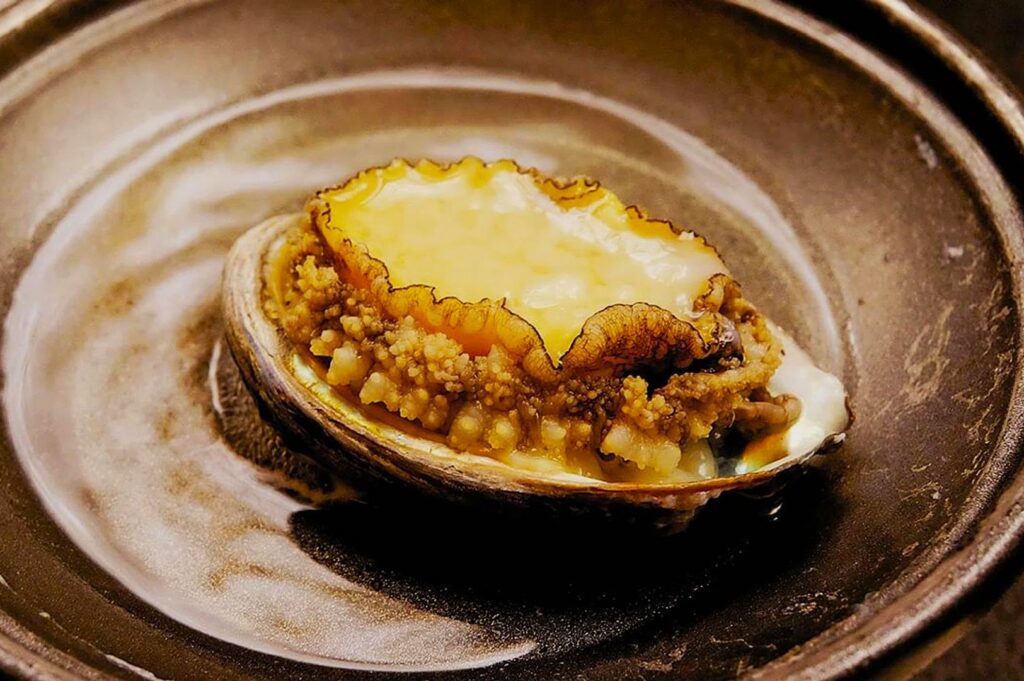
For those eager to indulge in premium abalone dishes, Singapore offers a spectrum of options ranging from Michelin-starred restaurants and seafood specialty venues to upscale hotel dining. Some of Singapore’s great restaurants are renowned for their abalone dishes, making them must-visit destinations for food lovers. These establishments pride themselves on sourcing the finest abalone, often imported from renowned regions such as Australia, New Zealand, and Mexico. Visitors can easily access these venues via public transportation; for example, the closest MRT station to the famous Jumbo Seafood at Riverside Point is Clarke Quay MRT. Additionally, major supermarkets like NTUC FairPrice and Cold Storage stock a variety of canned, dried, and fresh abalone, allowing home cooks to experiment with this delicacy. Moreover, select hawker centres have begun to feature abalone-infused dishes, blending accessibility with luxury. Exploring these diverse venues provides a comprehensive glimpse into the versatility and enduring appeal of abalone in Singapore’s culinary scene.
Conclusion: Celebrating Abalone as a Timeless Treasure in Singapore's Food Culture and Singapore's Food Culture
From its esteemed place in high-end dining to its innovative incorporation into the vibrant hawker stalls scene, Abalone Singapore represents a unique fusion of heritage, luxury, and modern accessibility. Whether savored as a centerpiece in a refined banquet or enjoyed as part of a flavorful street food pairing, abalone invites food enthusiasts to experience the depth, patience, and artistry that define Singapore’s gastronomic identity. Embrace the rich stories and savory flavors behind every preparation, and discover why abalone remains a shining jewel in the mosaic of Singapore’s celebrated food culture in Singapore.