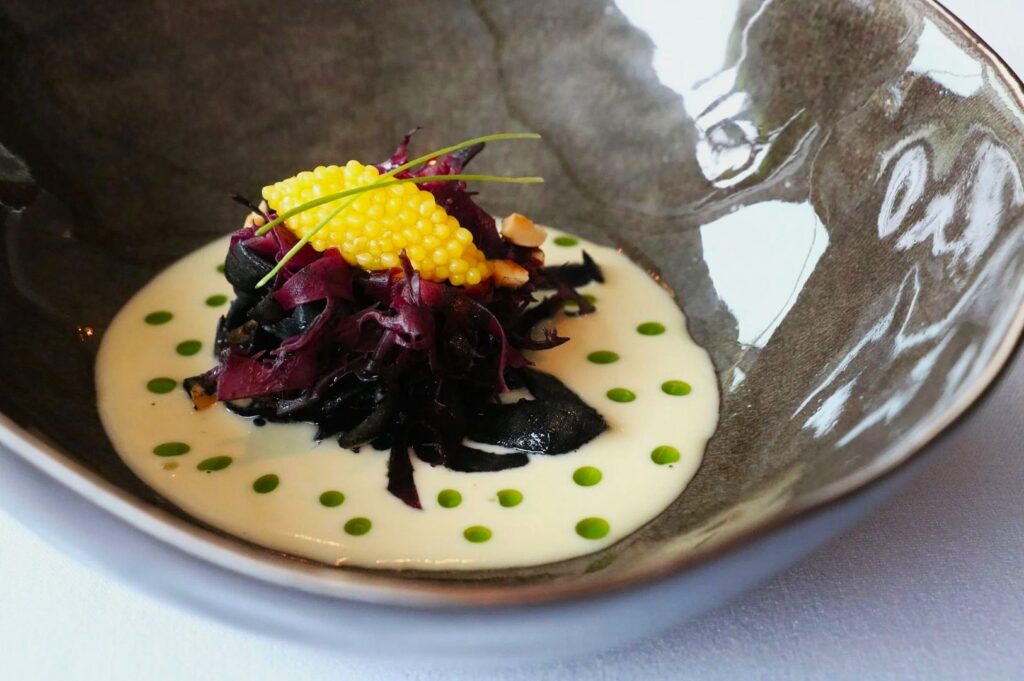
In Singapore’s diverse culinary landscape, caviar has emerged as a refined symbol of modern luxury within the uniquely cuisine in Singapore. Far from the bustling hawker centres and casual eateries, caviar service speaks a subtle language of texture, temperature, and ritual, reflecting the city’s melting pot of cultures and its evolving food philosophy.
Humble Origins and the Process of Luxury in Singapore Food
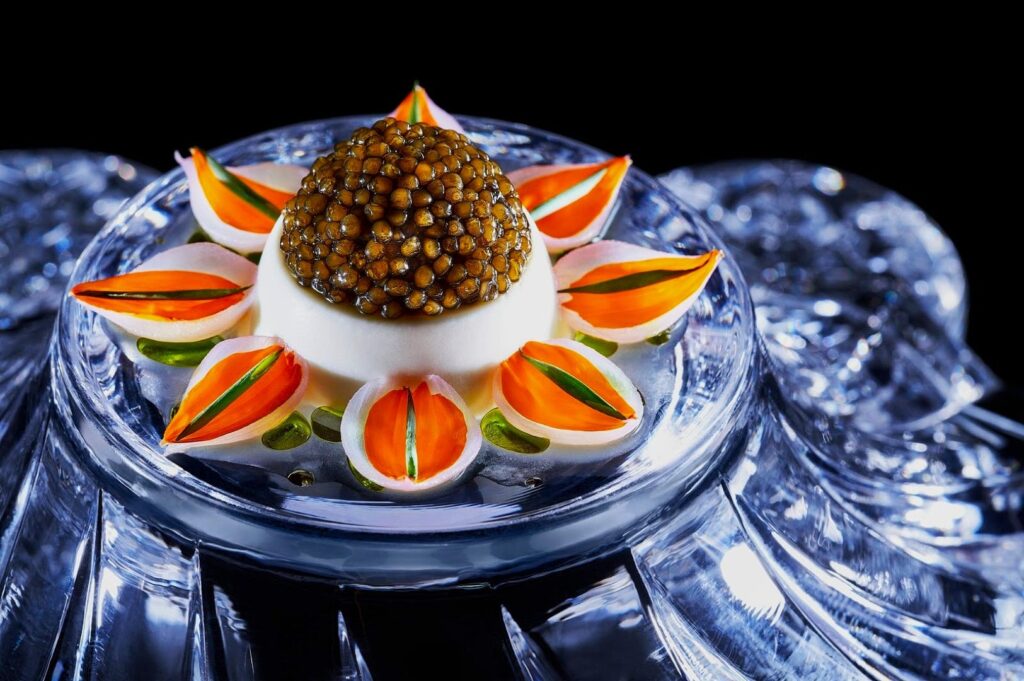
Caviar’s journey in Singapore food is one of transformation—from humble origins as a garnish symbolizing excess to a celebrated ingredient commanding respect. The ritualistic process of caviar service begins with anticipation: the unopened tin, a set of delicate mother-of-pearl spoons, and the precisely prepared side dishes like warm blinis and light, creamy crème fraîche. This careful process isolates the ingredient, inviting diners to savor the best quality roe in a quiet, focused moment.
Best Quality and the Unique Taste of Caviar in Singapore Cuisine
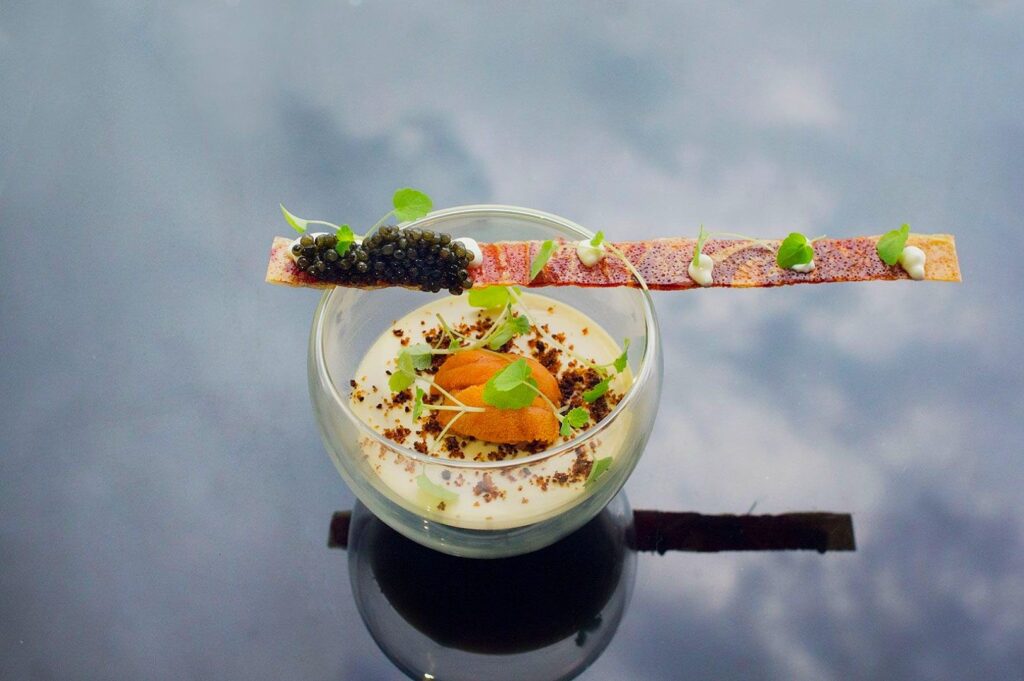
The appeal of caviar lies in its unique taste and texture. Modern variations in Singapore emphasize minimal manipulation to preserve the original flavor, delicate salinity, and freshness of the roe. Often served dry or with subtle accompaniments such as a squeeze of lime juice or lemon zest, the caviar’s flavour profile unfolds naturally—from the nutty, buttery notes of Oscietra to the mineral finish of Beluga.
Examples of certain dishes in Singapore cuisine that similarly emphasize freshness and purity include chilled tofu with century egg, steamed fish with ginger and scallion, and poached chicken served with fragrant rice cooked to perfection in Hainanese chicken rice, all of which highlight the original taste of their main ingredients.
Different Types of Temperature Contrasts in Singapore Food
Temperature contrasts enhance the experience: chilled caviar atop warm dishes like silky chawanmushi awakens the palate, while the “pop” of fresh roe adds a tactile and auditory dimension to dining. The emphasis on freshness and purity mirrors Singapore’s broader culinary values, where rice cooked with aromatic spices and paired with dark soy sauce and seafood like cockles and oysters creates harmonious, layered dishes. The use of cold water or ice to keep caviar chilled during service is essential to maintain its freshness and texture.
Side Dishes and Complementary Flavours in Singapore Food
Caviar in Singapore is eaten in small, measured bites and commonly found with carefully selected side dishes that complement without overpowering. These include steamed buns, blinis, thin cucumber slices, and occasionally tropical fruits like pineapple, adding crispness and a sweet, refreshing balance. The use of lime or lemon, garnished on the side, cuts through the creamy richness, echoing the balance found in many famous dishes across local food culture.
Popular Dish Pairings: Elevating the Caviar Experience with Singapore Food
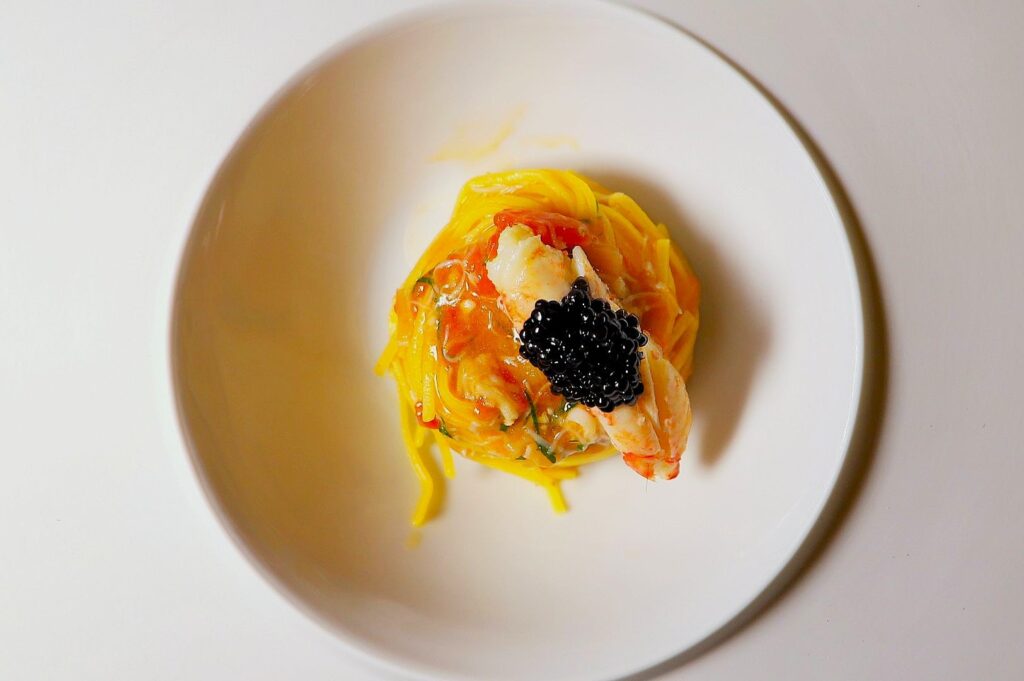
The consideration of caviar alongside complementary elements represents a discipline requiring both precision and restraint—one that elevates the dining experience through intentional harmony. In Singapore, where culinary traditions converge with measured innovation, the opportunity for considered pairings emerges as naturally as the city’s own cultural synthesis. From established hawker traditions to refined dining establishments, practitioners approach these combinations with the deliberate attention that such ingredients demand.
The most harmonious pairings reveal themselves through careful observation of contrasts and complements. A coconut milk preparation, with its measured richness and aromatic depth, provides the gentle foundation necessary to allow caviar’s distinctive character to emerge without competition. The controlled acidity of pineapple or citrus serves not merely as contrast but as a precise counterpoint, sharpening the palate’s appreciation of the roe’s inherent complexity. While champagne and vodka maintain their classical positions, the thoughtful diner may discover that local coffee or teh tarik, approached with the same intentional consideration, offers unexpected depth to the pairing dialogue.
Singapore’s hawker centres present a particularly compelling canvas for such exploration. The disciplined simplicity of chicken rice—its fragrant rice and tender protein executed with generational precision—creates an understated foundation that allows caviar to speak with clarity. Satay, with its careful balance of smoke and spice, establishes a more assertive conversation, one where each element maintains its integrity while contributing to a greater whole. Even the beloved chilli crab, approached with restraint, can accommodate caviar’s presence, transforming the familiar into something more considered.
Dishes as Cultural Symbols: Caviar and Other Iconic Singapore Food
Once relegated to garnish status, caviar now takes center stage in Singapore’s culinary narrative, paralleling other iconic dishes such as chili crab, one of Singapore’s most iconic dishes known for its rich, tangy, and spicy sauce, and Hainanese Chicken Rice, which is considered Singapore’s national dish and a must-try for visitors. Many of these iconic dishes and the restaurants serving them have been awarded for their excellence, further cementing their status in the vibrant cuisine in Singapore. This evolution reflects the country’s confidence in its popular foods in Singapore—embracing both tradition and innovation. For those seeking a refined setting to enjoy such culinary highlights, an authentic Chinese tea room in Singapore offers a perfect complement, blending heritage ambiance with the city’s evolving food culture.
Menus dedicated to caviar exploration allow diners to compare species, curing methods, and presentations, fostering a deeper appreciation akin to wine tasting. This cultural shift recognizes caviar’s complexity and its role in Singapore’s culinary melting pot.
Michelin-Starred Dishes and Culinary Excellence in Singapore
Singapore has a vibrant Michelin-starred dining scene that includes both high-end restaurants and notable hawker stalls. There are a number of Michelin-starred and Bib Gourmand establishments in Singapore, reflecting the city’s diverse and dynamic food culture. The Michelin Guide Singapore features a variety of dining options, from luxurious fine dining restaurants to street food stalls. Michelin Bib Gourmand awards are given to hawker stalls and eateries that offer good quality food at reasonable prices.
Tian Tian Hainanese Chicken Rice, located at Maxwell Food Centre, is a famous hawker stall that has received Michelin recognition. Liao Fan Hawker Chan, located in Singapore, is known as the first Michelin-starred hawker stall and is famous for its soy sauce chicken rice.
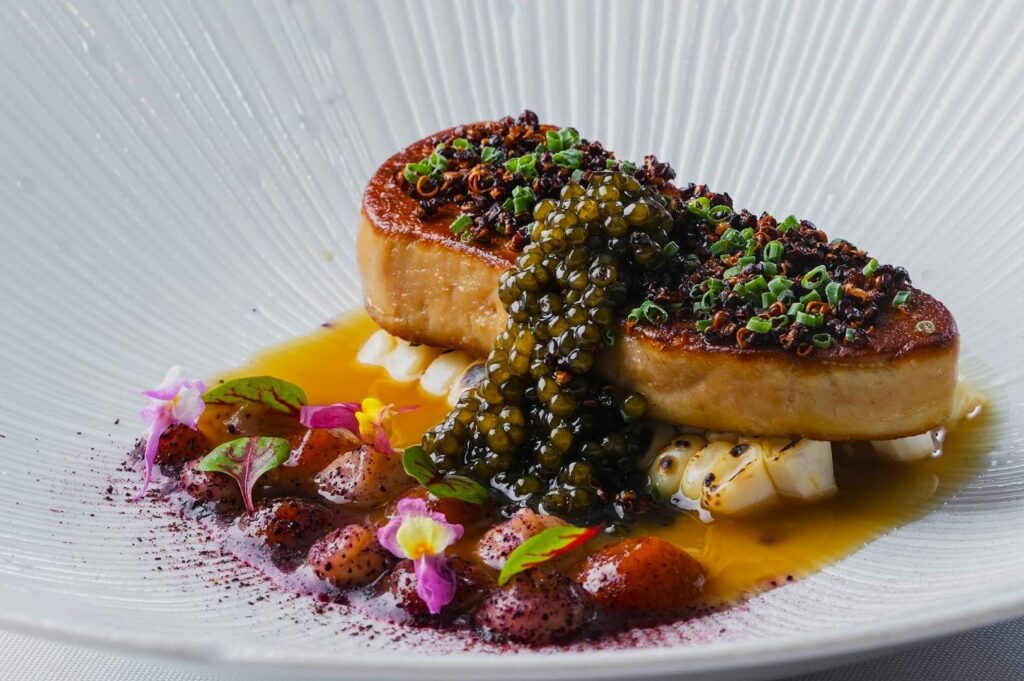
Singapore’s Michelin-starred restaurants elevate caviar service to an art form, integrating it into dishes that honor both tradition and innovation. From delicate seafood pairings to reimagined local favorites, these establishments focus on ingredient integrity and refined technique, offering diners a contemplative experience that highlights the city’s culinary sophistication.
Discover Hawker Centres and the Broader Culinary Landscape of Singapore Food
While caviar service exemplifies refined luxury, Singapore’s authentic gastronomic identity thrives in its hawker centres and food courts. Hawker centres are open-air food courts that serve a wide variety of affordable, delicious, and authentic local dishes under one roof. They are central to Singaporean food culture and offer incredible variety at affordable prices, having come to define the local dining scene and serving as a popular choice for locals. The heart of Singaporean cuisine lies in its hawker centres, which act as community dining rooms where people share affordable meals. Hawker centres typically feature dozens of stalls, each offering its own specialty dishes, and originated from street food stalls that served cheap and fast meals to workers and residents. The Singapore government began relocating street vendors to more permanent locations with the construction of hawker centres in the 1960s. Popular hawker centres among tourists include Maxwell Food Centre, Lau Pa Sat, and Newton Food Centre. Hawker centres in Singapore are known for offering a wide variety of affordable and delicious local dishes, and hawker culture in Singapore was inscribed into UNESCO’s Representative list of the Intangible Cultural Heritage of Humanity in December 2020.
These communal spaces showcase the city’s diverse kinds of dishes—chicken rice with fragrant rice cooked to perfection, char kway teow stir-fried with dark soy sauce, and satay grilled to smoky perfection—all commonly found at hawker centres. When visiting, diners can decide what to eat from the many options available, and then order their chosen dish directly from the stall, often specifying size or toppings. The balance of flavours—aromatic, peppery, light, and fresh—reflects Singapore’s multicultural heritage and the culinary process passed down through generations.
Peranakan Cuisine: Heritage and Modern Variations in Singapore Dishes
Peranakan cuisine, a fusion of Chinese, Malay, and Indonesian influences from southeast asia, embodies Singapore’s culinary heritage. Signature dishes like laksa, with its creamy coconut broth and aromatic spices, and chili crab demonstrate the blend of heritage flavours and modern variations. Some chefs now incorporate luxury ingredients like caviar and truffles, bridging tradition and contemporary expression.
Traditional and Popular Singaporean Dishes: Other Variations and Mixed Influences
Singapore’s food scene is a vibrant melting pot, featuring other variations of beloved dishes that reflect the city’s multicultural identity. For instance, laksa comes in several regional styles, such as the Katong laksa with shorter noodles and a rich coconut milk broth, or the more peppery and sour versions found in other parts of southeast asia. Similarly, roti prata, a flaky Indian flatbread, is consumed throughout the city with curry, egg, or even sweet toppings, illustrating the fusion of cultural influences.
Popular dishes like bak kut teh—a pork rib soup simmered with herbs and spices—showcase the mixed culinary heritage, often consumed with fragrant rice and side dishes like youtiao (fried dough sticks). Char kway teow, a stir-fried noodle dish with dark soy sauce, cockles, and Chinese sausage, is served dry or with a light broth, offering diverse textures and flavors.
Nasi lemak, a fragrant rice dish cooked in coconut milk and pandan leaves, is traditionally traditionally eaten for breakfast but also enjoyed throughout the day. It is served with sambal chili, fried anchovies, peanuts, and sometimes fried chicken or fish, highlighting the local penchant for balanced, flavorful meals.
Fish head curry, a unique blend of Indian and Chinese culinary traditions, features a large fish head cooked in a spicy, tangy curry, often consumed with rice or bread. Kaya toast, a simple yet iconic breakfast staple, consists of toasted bread spread with kaya (coconut egg jam) and butter, commonly served with soft-boiled eggs and kopi (local coffee).
Conclusion
Singapore’s cuisine is a captivating blend of tradition, innovation, and cultural diversity, where humble hawker stalls sit alongside Michelin-starred restaurants, and timeless dishes like Hainanese chicken rice and chili crab coexist with modern luxury experiences such as caviar service. This vibrant melting pot offers something for every palate, showcasing the rich heritage and evolving tastes that define Singapore’s food scene.
For those eager to explore more about exquisite dining experiences and the finest culinary delights, be sure to visit Luxury Dining, your ultimate guide to sophisticated gastronomy.