Stepping across the threshold of a premier dining room is an exercise in managed anticipation. The transition from the unpredictable environment of the street to a carefully curated sanctuary must feel immediate and deliberate. We evaluate the luxury restaurant experience from the very first second of arrival. Before a menu is presented or a glass is poured, a complex narrative is already unfolding. These initial moments dictate the rhythm of the entire evening, establishing an unspoken contract of trust between the guest and the establishment.
The first element we observe is rarely visual; it is acoustic. A refined fine dining atmosphere requires masterful sound design. The room should hum with a muted, sophisticated energy. Conversations must remain private, buffered by heavy textiles, plush seating, and discreet acoustic panels. When the geometry of the room absorbs clattering silver and sharp background noise, it immediately signals a profound investment in guest comfort.
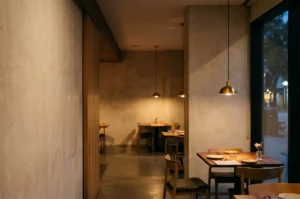
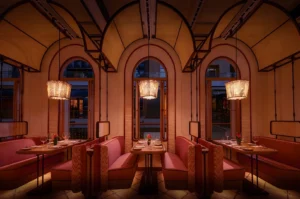
Lighting serves as the next critical indicator of quality. We look for illumination that guides the eye rather than overwhelms it. In these spaces, shadows are just as important as the light sources themselves. A focused, warm beam on the center of the table highlights the upcoming culinary presentation, while the periphery of the room should recede into a soft, flattering dusk. This careful calibration of light creates an intimate, secure sphere for the diners.
Furthermore, the olfactory environment speaks volumes about the hidden luxury dining details within. A dining room should not smell aggressively of the kitchen line, nor should it be masked by heavy, artificial perfumes. The ambient scent should be exceptionally clean, carrying only the faintest, natural suggestion of polished wood, crisp linen, or mild citrus. Even the physical weight of the entrance door contributes to this sensory introduction.
Finally, the choreography of the initial greeting solidifies our first impressions in fine dining. True hospitality is invisible yet omnipresent. The host should recognize your arrival without frantic urgency or performative warmth. The taking of a coat, the subtle guidance through the dining room, and the graceful seating process must flow with practiced, quiet efficiency. This seamless transition transforms a simple reservation into a genuine luxury restaurant experience.
A prestigious meal is ultimately judged by the quality of the cuisine, but the foundation of that judgment is laid right at the door. These sensory and operational elements weave together to form a comprehensive luxury restaurant experience, one that prepares the palate and the mind for the courses that follow. The next time you find yourself arriving at a distinguished venue, we encourage you to pause. Notice the weight of the air, the temperature of the lighting, and the cadence of the room. True luxury always reveals itself before you ever take a seat.