I often find that the best dining experiences feel like a quiet escape from the loud rush of the city. A few weeks ago, I wanted to celebrate a quiet milestone with a friend. We were looking for a place that combined the deep traditions of Japan with a truly intimate setting. We managed to secure reservations at Hamamoto, a spot that has been quietly earning its Michelin star reputation.
I visited on a Tuesday around 6:30pm for their dinner service. Located at 58 Tras Street, this restaurant blends sushi and kaiseki into a seamless journey. It is an exploration of seasonality and the life cycle of premium ingredients. If you are curious about what makes this place so memorable, here is my honest review of the experience.
Hamamoto Singapore: Finding Calm at 58 Tras Street
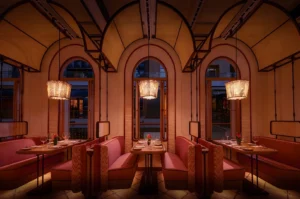
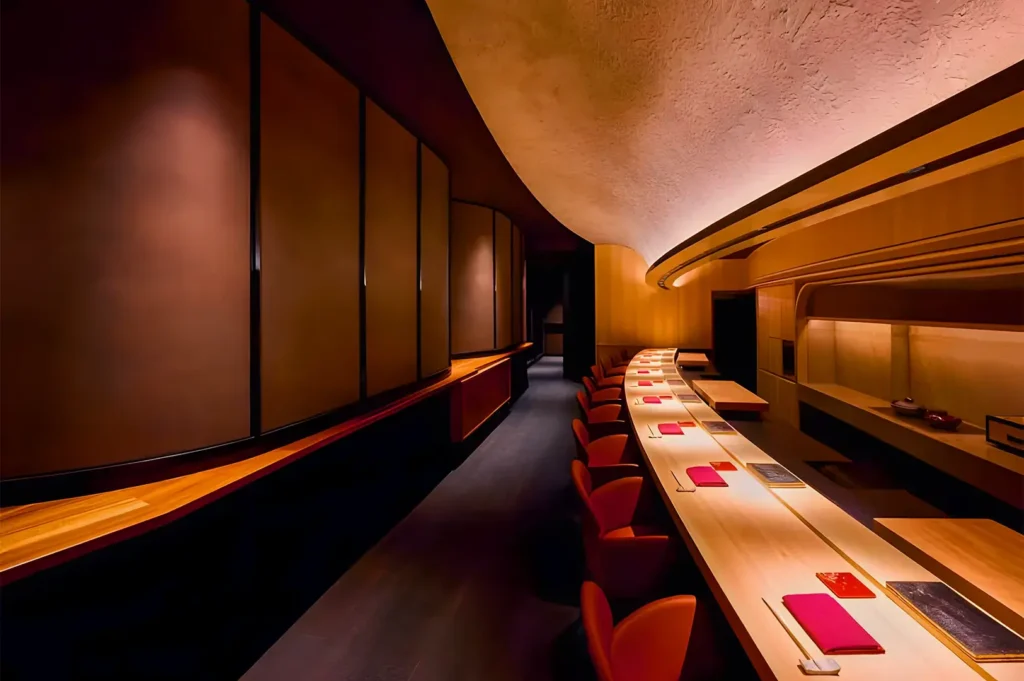
The moment you step off Tras Street and enter Hanamoto Singapore, the noise of the business district completely vanishes. The interior is purposefully spare and hushed; the restaurant’s design is intentionally sparse, creating a serene atmosphere that allows guests to focus entirely on the culinary experience. The design relies heavily on the beauty of natural materials and the spirit of Japanese artisans.
I immediately noticed the air conditioning was quite strong in the dining room, so I definitely needed my jacket (otherwise you might freeze to death before the first course arrives). But the chill in the air quickly fades as you take in the warmth of the hospitality. There are no distracting decorations. The space evokes a sense of calm and appreciation for the craft and ingredients, inviting an intuitive sense of the ingredients’ qualities and the chef’s artistry.
Sitting at the Only Curved Sushi Counter
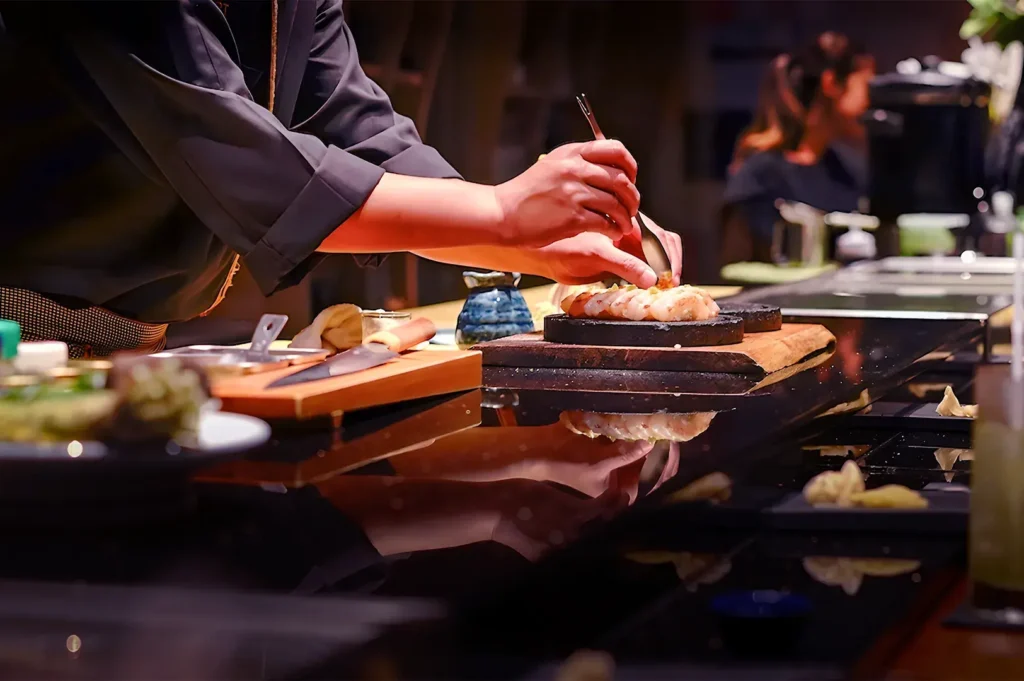
The absolute highlight of the room is the seating. Hamamoto Singapore features a unique 12-seat brushed hinoki sushi counter, the only curved sushi counter in Singapore, designed to facilitate interaction among guests. The curved shape naturally encourages interaction among the guests and the chefs.
Guests dine in an intimate, communal setting that enhances the overall experience. Because there are only 12 seats, the entire meal feels incredibly exclusive. You do not feel like just another person in a crowded room. You feel like a welcomed guest in a private sanctuary.
Chef Kazuhiro Hamamoto: Art and Soul in Every Course
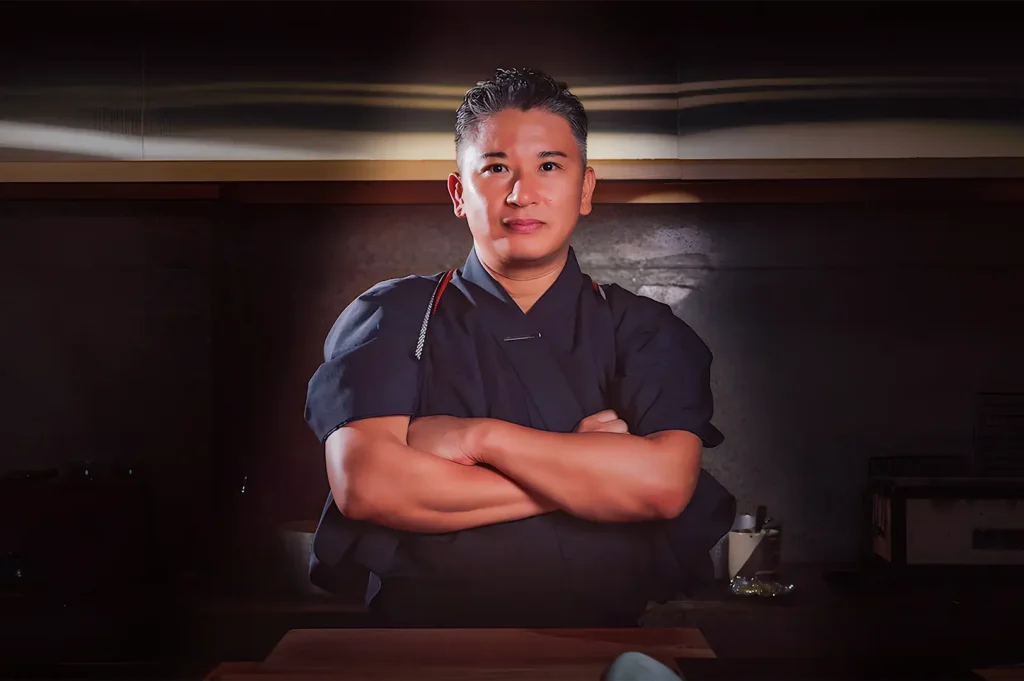
The food here is directed by Chef Kazuhiro Hamamoto, whose career spans Kyoto, Tokyo, and Singapore. His approach is built on deep relationships with vendors in Fukuoka and Tokyo, ensuring that every ingredient arrives at its optimum time. Seasonal produce is a key focus in Japanese cuisine, especially in omakase dining, where freshness and quality are paramount. We opted for the Hamamoto Classic Dinner ($425), which includes a seasonal appetiser, seasonal uni, a hot dish, nigiri sushi, soup, and dessert. The menu is thoughtfully crafted to complement the flavors of each ingredient and beverage, enhancing the overall harmony of the dining experience.
Here are the specific dishes that completely captivated my taste buds.
The Kegani Crab Course (Hokkaido Hairy Crab)
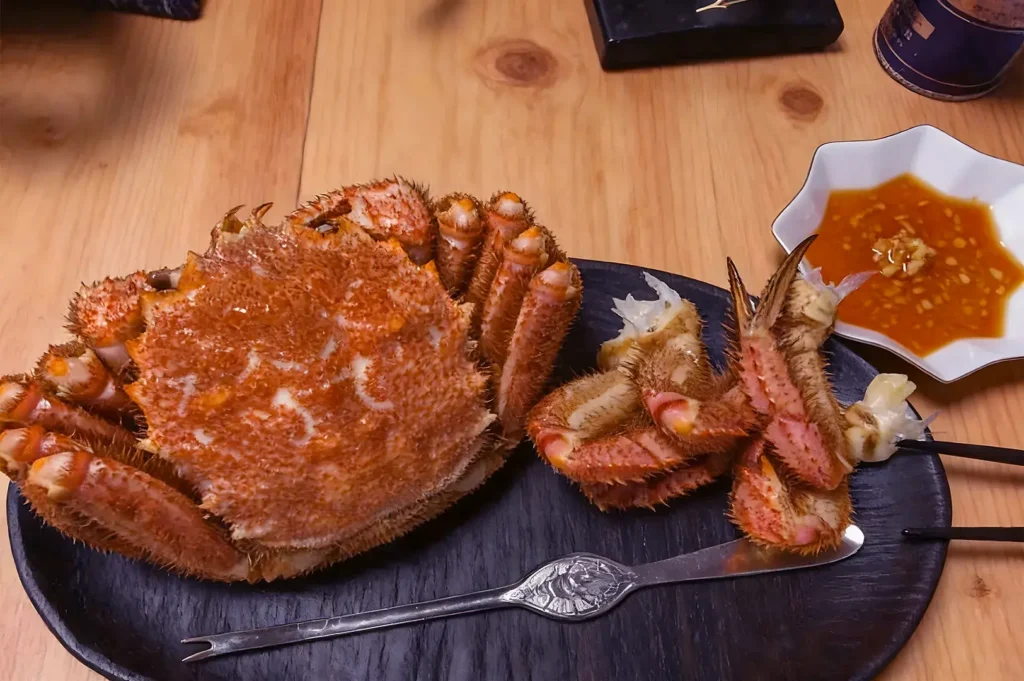
The meal began with a stunning showcase of seasonal produce. The Hokkaido hairy crab was poached in a house dashi that the restaurant has been simmering since they opened.
The crab meat was silky and incredibly sweet. The broth carried a deep, oceanic savouriness that wrapped around the delicate crab perfectly. It was served warm, which felt incredibly soothing. The sweetness of the crab shells and the richness of the crab miso united to create a flavour that was complex yet perfectly balanced. It was a beautiful expression of the season.
Chef Kazu's Cuisine: The Nigiri Sequence
A sushi-kappo meal relies heavily on the quality of its nigiri. Chef Kazu’s cuisine shines the brightest during this sequence. The rice (shari) was seasoned with either red or white vinegar to accentuate the natural flavour of the specific fish.
We were served several pieces, but the nodoguro and the chutoro were the absolute standouts. The nodoguro featured a lightly crisped skin that gave way to a rich, fatty center. The chutoro was paired with a touch of uni, melting instantly the moment it hit my tongue. The temperature of the rice was slightly warm, which contrasted beautifully with the cool, fresh fish. Every bite was an obsession with simplicity and details.
Seasonal Murasaki Uni
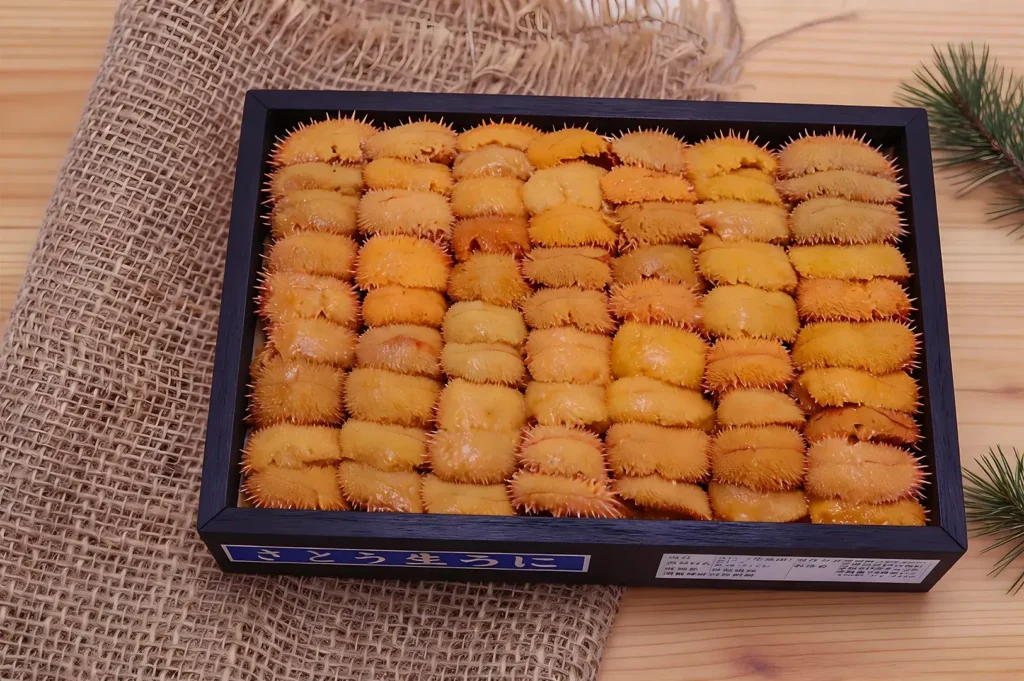
Uni is a signature element here, and the seasonal murasaki uni course did not disappoint. It was served alongside sweet white shrimp and a touch of caviar.
The texture was impossibly creamy. It tasted like a pure, sweet breath of the ocean, completely devoid of any bitter aftertaste. The briny pop of the caviar provided a wonderful textural contrast to the soft uni. It is a dish that perfectly captures the harmony of premium ingredients.
Experiencing Chef Kazu: Service and Interaction
The service at Hamamoto is truly exceptional. It is not just about bringing plates to the table; it is a highly choreographed dance. The staff replaced our cold tea with warm tea without us ever having to ask. They provided hot towels multiple times throughout the evening.
Chef Kazu himself is a master of his craft. Watching him work at the curved sushi counter is mesmerising. He explains the origin of the dishes with a quiet pride. He shared stories about the artisans who made the bespoke glassware we drank our sake from. The pacing of the meal was deliberate and unhurried.
However, I will be honest about one minor downside. Because the meal is strictly paced by the chef, it is a very long experience. Our dinner took well over two hours. If you are someone who likes a fast-paced meal, the slow and steady rhythm here might test your patience.
Practical Information for Dining at Hamamoto
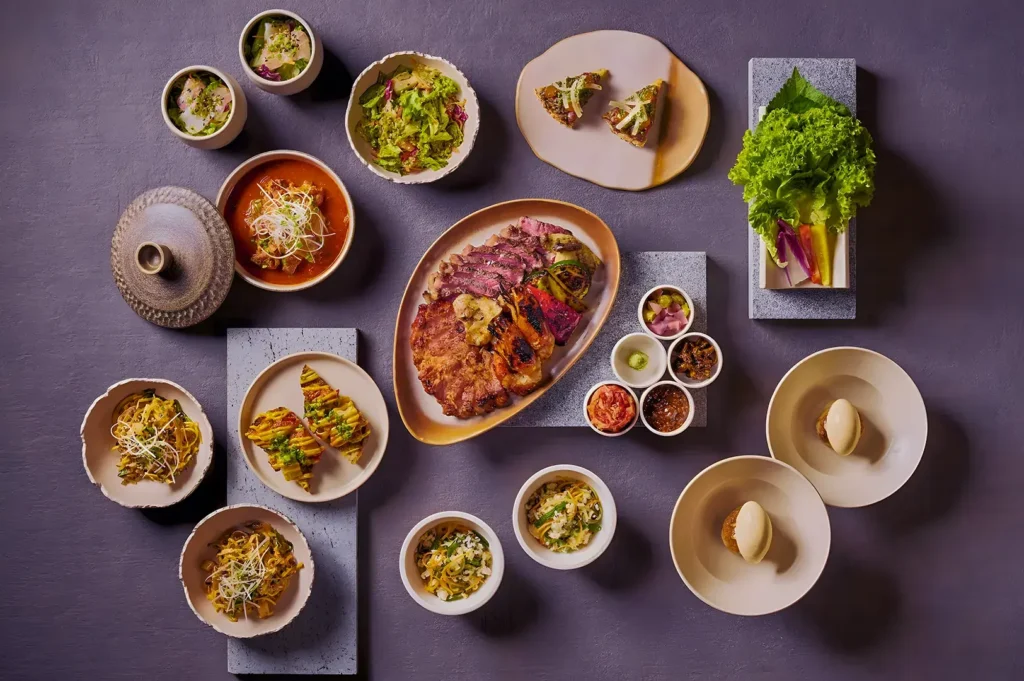
Menu
If you are planning to dine here, there are a few practical details you should know.
Pricing: This is a luxury experience. The Hamamoto Lunch starts at $280, the Classic Dinner is $425, and the Experience Dinner is $550. Once you add sake or wine, your bill will easily cross $600 per person.
Reservations: You must book well in advance. With only 12 seats and one sitting per service, slots disappear quickly. Reservations at Hamamoto are notoriously difficult to secure, reflecting the exclusivity of the dining experience. You can secure bookings via their website or email.
Operating Hours: They are open Tuesday through Saturday for lunch and dinner. They are closed on Sunday, Monday, and public holidays.
Dress Code: The restaurant maintains a “Smart and Elegant” dress code.
Timing: Lunch runs from 12:00pm to 3:00pm, and dinner runs from 6:30pm to 11:00pm. Do not be late, as the meal begins in a synchronized manner for all guests.
Getting There: The restaurant is at 58 Tras Street. Parking can be a nightmare in Tanjong Pagar during the evening. I highly recommend taking a taxi or the MRT to avoid the stress.
What is an Omakase Dining?
Omakase is a Japanese dining style where the chef selects and serves a personalized sequence of dishes, showcasing the freshest seasonal ingredients. This approach allows diners to experience the chef’s creativity and expertise through a carefully curated meal.
To learn more about what Omakase means, be sure to check out our feature article to give you an in-depth explanation about what this dining experience is by clicking here.
Final Verdict: Is It Worth It?
My dinner at Hamamoto was a beautiful, cerebral masterclass in Japanese cuisine. The connection between the chef, the ingredients, and the guests is something you rarely find in the modern restaurant business. The food replenishes the soul, and the quiet atmosphere provides a much-needed reset.
This venue is best suited for serious omakase diners, couples celebrating a major anniversary, or anyone who deeply respects the art of kaiseki and sushi. It is not the right place for a loud gathering, a quick bite, or budget-conscious diners.
I left feeling incredibly satisfied, carrying the lingering taste of sweet crab and rich tuna with me into the night. The meal concluded with memorable desserts, such as matcha chocolate and seasonal fruits, providing a sweet ending to the experience. If you have the budget and the patience for a carefully paced culinary journey, you will absolutely love it here.
If you enjoyed this review and want to discover more hidden gems and top-tier dining experiences, please check out Luxury Dining SG for more similar articles to read.