What Is a Sommelier in Singapore? A Beginner’s Guide to Wine Service, Pairing & Restaurant Etiquette
I remember the first time I sat down for a serious fine dining meal in Singapore. The server handed me a wine list that looked more like a leather-bound dictionary. I felt completely overwhelmed. Instead of asking for help, I nervously pointed to a familiar, overpriced bottle just to avoid looking uneducated. I spent the rest of the evening regretting it. Today, I realize how much I missed out.
That experience taught me a valuable lesson about the role of a sommelier. The term sommelier, originally a French word, historically referred to a court official responsible for the transportation of supplies—a pack animal driver in the past. Today, the sommelier is a highly trained professional who elevates the dining experience through expert wine service and thoughtful wine pairings. In Singapore and around the world, sommeliers are no longer just wine stewards; they are integral members of the culinary team, working closely with chefs to create harmonious food and wine pairings that delight restaurant patrons.
In this guide, I will walk you through exactly what a sommelier does, how to speak to one without anxiety, and what to expect when induldging in Singapore’s best wine bars. We will also explore the career path of a sommelier, including the rigorous formal education and certification courses such as the master sommelier exam and advanced sommelier programs offered by renowned institutes worldwide.
Here is what we will cover:
The true role of a sommelier and wine steward.
Insights into master sommeliers and advanced sommelier certifications.
Step-by-step instructions on asking for wine pairings and navigating extensive wine lists.
How to handle the bottle presentation ritual and wine service standards.
Realistic costs and expectations in Singapore’s wine and beverage industry.
What Does a Sommelier Actually Do? Understanding Wine Service and the Job Title
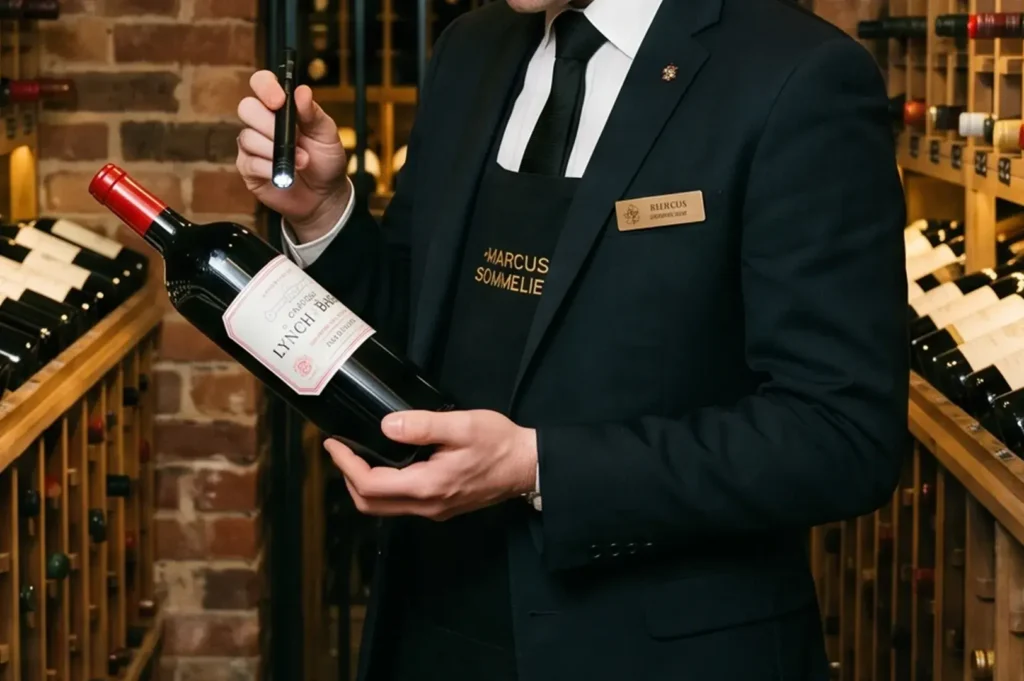
A sommelier is a trained beverage professional responsible for all aspects of wine service in restaurants, hotels, and bars. While the job title “wine steward” is sometimes used interchangeably, a sommelier’s role is much broader and more specialized. They curate the wine list, manage the cellar, educate staff, and most importantly, assist guests in selecting wines that best complement the food and their personal tastes.
In fine dining establishments, especially those with extensive wine lists featuring hundreds of wines from various wine regions and grape varieties, the sommelier’s expertise is invaluable. They understand the nuances of viticulture, winemaking techniques, and regional styles, enabling them to recommend wines that enhance the flavors of the dishes created by the chefs.
Sommeliers are also responsible for upholding service standards, including proper glassware selection, decanting techniques, and pouring etiquette. Beyond wine, many sommeliers today are knowledgeable about cocktails, spirits, beer, and other drinks, ensuring a comprehensive beverage experience for customers.
Pro Tip: Many top sommeliers in Singapore have gone through rigorous certification pathways, such as the Court of Master Sommeliers, which offers levels from Introductory Sommelier to Master Sommelier Diploma. The master sommelier exam is notoriously difficult, with a pass rate of about 3%, underscoring the dedication required in this career path.
Master Sommeliers and the Advanced Sommelier: Levels of Expertise

The sommelier profession has a structured hierarchy of certifications that reflect increasing levels of knowledge, skill, and responsibility. The most recognized certification body is the Court of Master Sommeliers (CMS), which offers a clear career path:
Introductory Sommelier Certificate – The foundation, covering basic service standards, grape varieties, and wine regions.
Certified Sommelier Certificate – Includes theory, blind tasting, and practical service exams.
Advanced Sommelier Certificate – A challenging step that requires deep knowledge of wines, spirits, cocktails, and service under pressure.
Master Sommelier Diploma – The pinnacle of the profession, requiring mastery of theory, blind tasting of multiple wines, and flawless service delivery.
Singapore’s growing demand for sommeliers has led many aspiring professionals to pursue these certifications, often combining them with formal education in hospitality and wine studies. The advanced sommelier and master sommeliers often take leadership roles as wine buyers, beverage directors, or educators within the industry.
How to Ask a Sommelier for Wine Pairings: Navigating the Wine List with Confidence
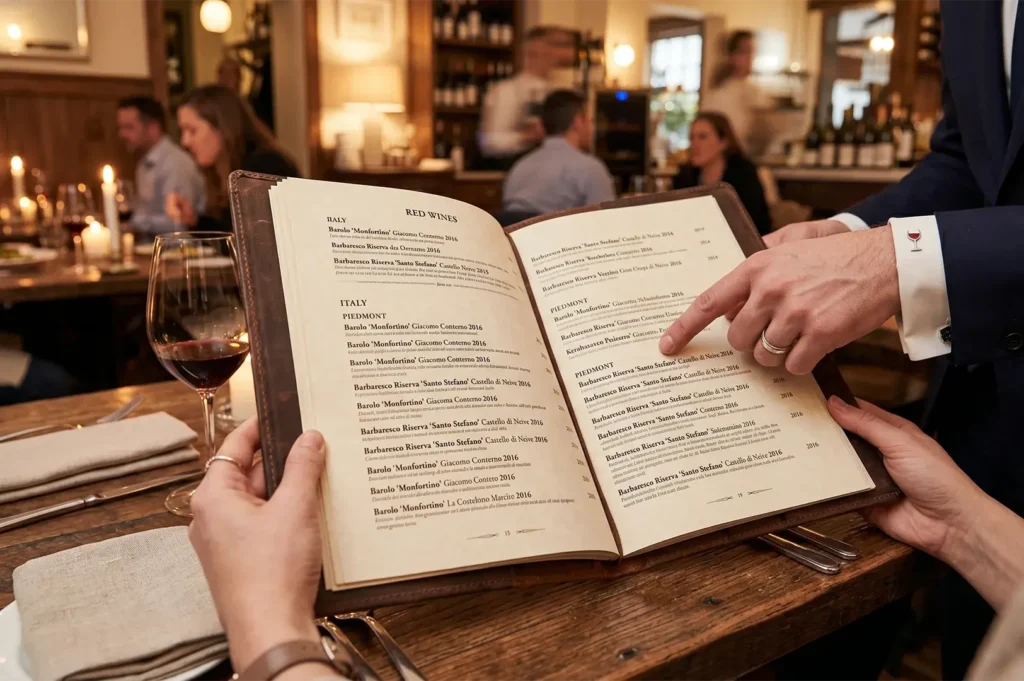
Speaking to a sommelier about wine pairings can feel intimidating, especially when faced with an extensive wine list featuring unfamiliar wines from diverse wine regions. However, sommeliers are trained to make this process approachable for all restaurant patrons, whether you are a novice or a seasoned wine lover.
Here is a simple step-by-step approach to asking for wine pairings:
Step 1: Share the Occasion and Your Preferences
Let the sommelier know the reason for your visit—whether it’s a celebration, a casual dinner, or a business meeting. Share your taste preferences in plain language, such as “I enjoy crisp white wines” or “I prefer smooth reds with fruity notes.” This helps the sommelier tailor recommendations to your palate.
Step 2: State Your Budget Clearly
Don’t hesitate to mention your budget upfront. Wine prices in Singapore can be influenced by import taxes and storage costs, so stating a price range helps the sommelier find the best value wines within your limits.
Step 3: Mention Your Food Order
Wine pairings are most effective when the sommelier knows what food you will be enjoying. They will suggest wines that complement the flavors and textures of your dishes, considering how acidity, tannins, and sweetness interact with the food.
Step 4: Ask About Glass or Bottle Options
If your group has varied tastes or orders, wine by the glass might be best. For shared dishes or tasting menus, a bottle or a curated pairing can enhance the experience.
Insider Tip: Feel free to ask for two options—one classic and one adventurous. This gives you a chance to explore while staying within your comfort zone.
The Art and Science of Wine Pairings in Singapore’s Restaurants
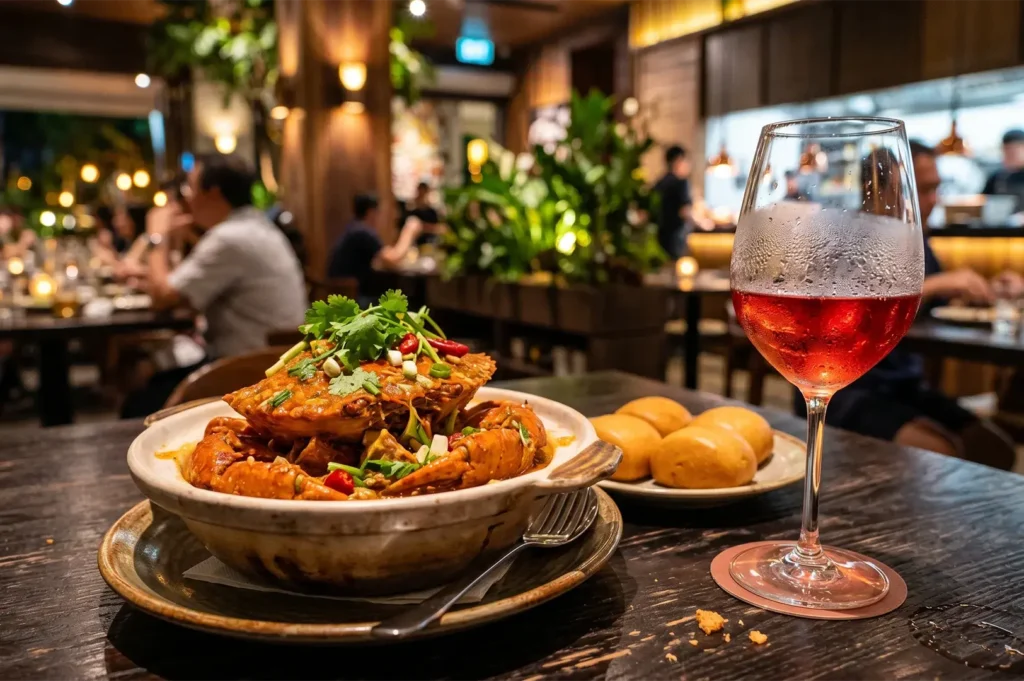
Singapore’s vibrant culinary scene, with its mix of local and international cuisines, presents unique challenges and opportunities for wine pairings. Traditional European pairing rules are often adapted to suit spicy, sweet, and umami-rich dishes found in Asian cuisine.
Local sommeliers are experts at matching wines to Singaporean favorites like chili crab, Hainanese chicken rice, and Peranakan dishes. For example, a lightly sweet Riesling or a chilled red wine with moderate tannins can balance the heat and complexity of spicy foods.
When dining at fine dining restaurants or high-end omakase counters, sommeliers collaborate closely with the culinary team to create seamless pairings that elevate both the food and wines. This partnership between sommeliers and chefs is vital to delivering a memorable dining experience.
The Wine List and Cellar: Behind the Scenes of Wine Service
A sommelier is responsible for creating and maintaining the restaurant’s wine list, which often includes hundreds of wines from renowned wine regions worldwide. They work with wine buyers to source unique and quality wines that fit the restaurant’s concept and clientele.
Managing the cellar involves inventory control, ensuring wines are stored at optimal conditions, and rotating stock to maintain freshness. Sommeliers also oversee the delivery and supplies of wines, spirits, beer, and other beverages, balancing customer demand with business considerations.
In some establishments, sommeliers extend their expertise to retail and marketing, promoting wines and educating customers beyond the restaurant setting.
Wine Service Etiquette: What to Expect When the Bottle Arrives
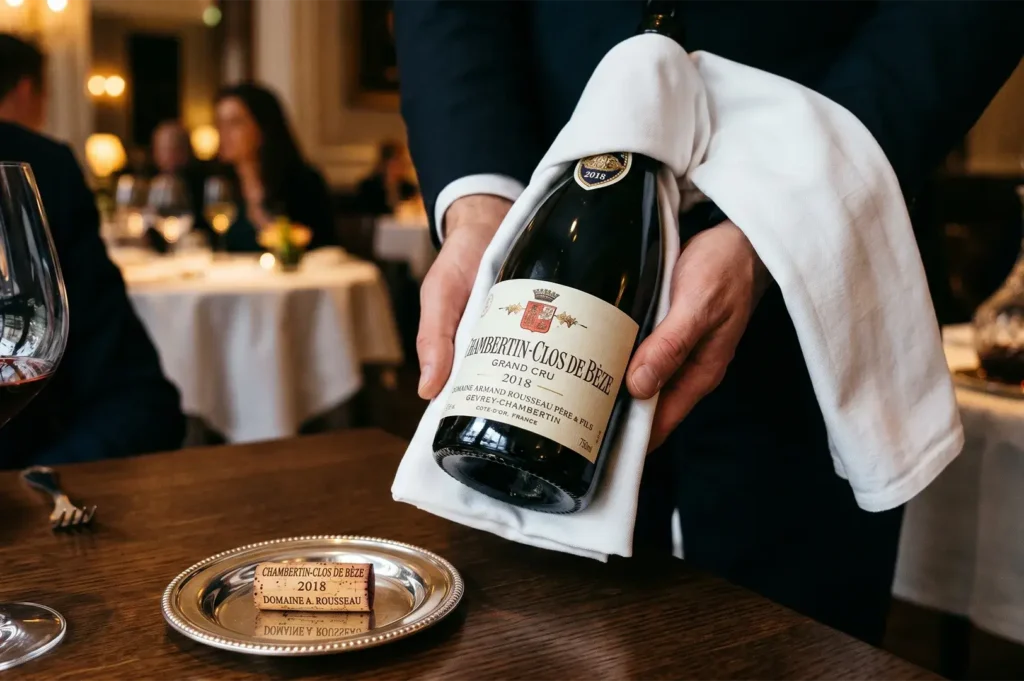
The bottle presentation ritual is a hallmark of formal wine service. When the sommelier brings the bottle to your table, they are confirming that it matches your order, including the vintage and producer.
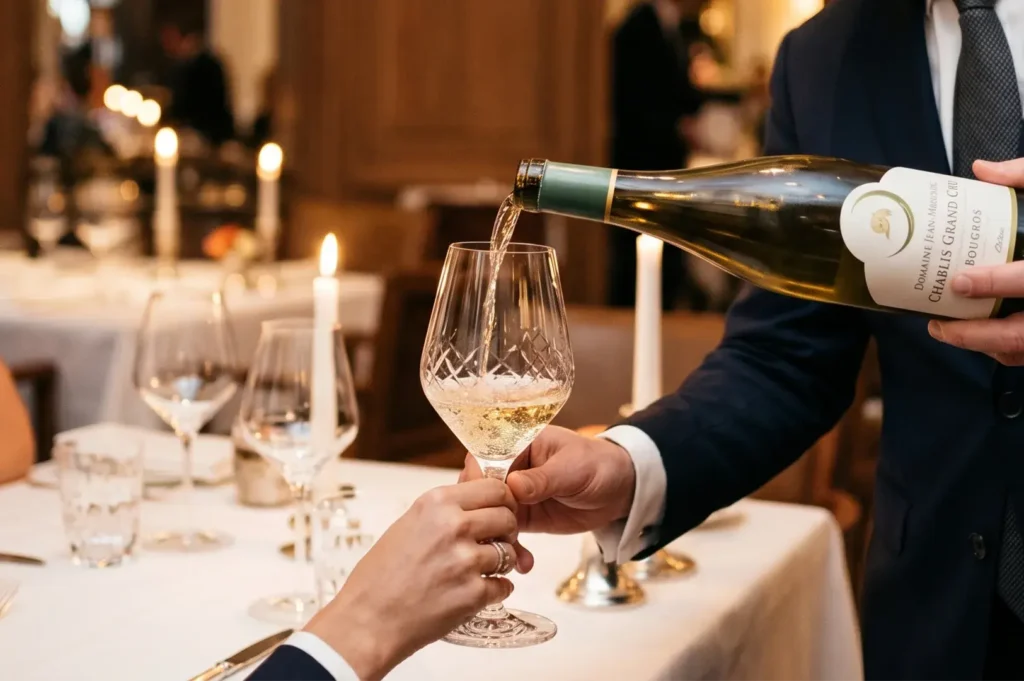
After opening the bottle, the sommelier pours a small amount for you to taste. This is a quality check to ensure the wine is not corked or flawed, not a test of your personal preference. If the wine is faulty, the sommelier will promptly replace it.
Proper service standards include serving wine at the correct temperature, using appropriate glassware, and pouring with finesse. A skilled sommelier ensures this process is smooth and respectful, enhancing your overall dining experience.
How Much Should You Expect to Spend on Wine in Singapore?
Wine prices in Singapore vary widely depending on the venue, wine list, and bottle rarity. Here are general price ranges to set your expectations:
Wine by the glass at casual bars or wine bars: S$14 to S$25.
Premium wine by the glass in fine dining: S$25 to S$45 or more.
Bottles at casual restaurants: Starting around S$70 to S$120.
Fine dining wine pairings: Often beginning in the low hundreds, increasing with the rarity and quality of wines.
Knowing your budget before you arrive helps you communicate clearly with the sommelier and enjoy your experience without surprises.
The Growing Influence of Sommeliers in Singapore and the World
The role of the sommelier has evolved significantly. Beyond traditional wine stewards, sommeliers today influence trends in the wine industry through social media and marketing. Some have become celebrities in their own right, shaping consumer tastes and spotlighting emerging wine regions and grape varieties.
In addition to wine, sommeliers are increasingly involved in the broader beverage business, including cocktails, spirits, beer, and non-alcoholic options. Specialized roles like the cicerone focus on beer expertise, while sommeliers may also participate in retail, education, and hospitality development.
For those interested in pursuing a career path as a sommelier, opportunities abound in restaurants, hotels, bars, and retail worldwide. Formal education, certification courses, and hands-on experience are essential to success in this dynamic industry.
Conclusion
Navigating a massive wine list does not have to be a stressful experience. Remember that a sommelier is simply a knowledgeable friend ready to help you unlock the best flavors of your meal. By stating your budget clearly, describing what you like in simple terms, and trusting their guidance, you can turn a standard dinner into an unforgettable event.
Whether you are dining at a casual wine bar or a Michelin-starred restaurant in Singapore, understanding the sommelier’s role, the levels of certification from advanced sommelier to master sommeliers, and the art of wine pairings will enrich your appreciation for the world of wine service.
If you enjoyed this guide and want to learn more about navigating the finest restaurants in the city, please check out Luxury Dining SG for more similar articles to read.