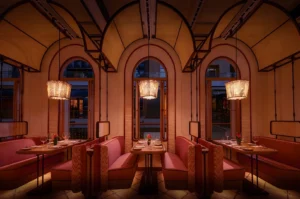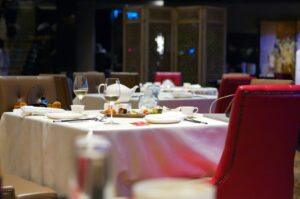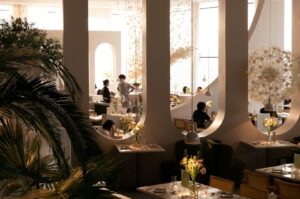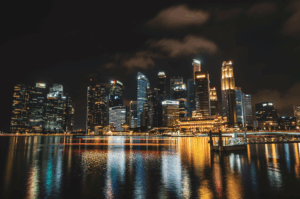
Private dining, once mainly for corporate events and milestone celebrations requiring separate rooms, has evolved significantly in Singapore. The trend now reflects broader shifts in luxury hospitality, consumer behavior, and a preference for intimate, exclusive gatherings.
As Singapore’s dining scene matures, diners seek personalized, private dining experiences and meaningful moments. Whether through elegant private dining rooms, chef’s tables, or private home dining, the focus is on creating memorable moments tailored to specific guests. These experiences often boast fresh, seasonal ingredients and multi-course menus that delight guests from lunch through to dessert, inviting them to indulge in world-class cuisine.
This evolution redefines luxury, emphasizing intimacy, flexibility, warm hospitality, and cosy settings over mere prestige or scale. Many venues feature a well-curated bar, enhancing the experience with perfect pairings. Guests often wait eagerly for dishes that tell stories through every bite, making private dining not just a meal but a cherished occasion to eat, share, and celebrate.
The Evolution of Private Dining Experience in Singapore
Singapore private dining has evolved through several stages. Initially, private dining rooms served as extensions of main restaurants for business meetings and family celebrations, offering the same menu and ambience but in a secluded space.
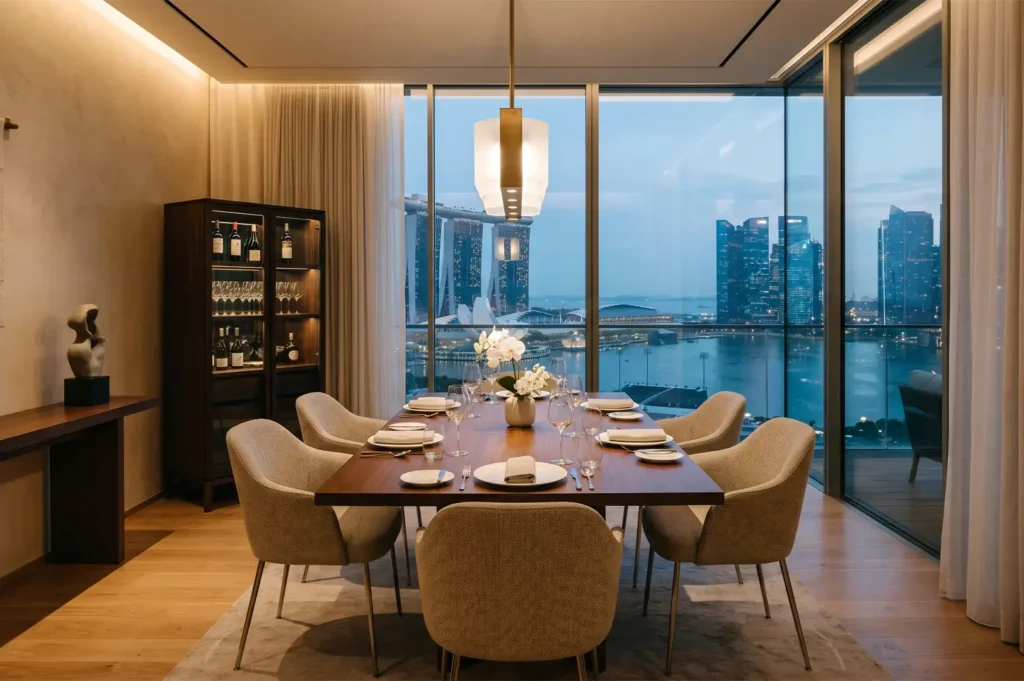
Today, private dining is a distinct experience. Diners expect personalised menus, chef interaction, signature dishes, and intimate environments tailored for exclusive gatherings. This shift aligns with luxury dining trends where exclusivity comes from customization rather than separation. Private dining rooms are valued for enabling tailored, intentional experiences, making each venue a sought-after private dining spot in Singapore.
The Rise of Personalized Dining Experiences
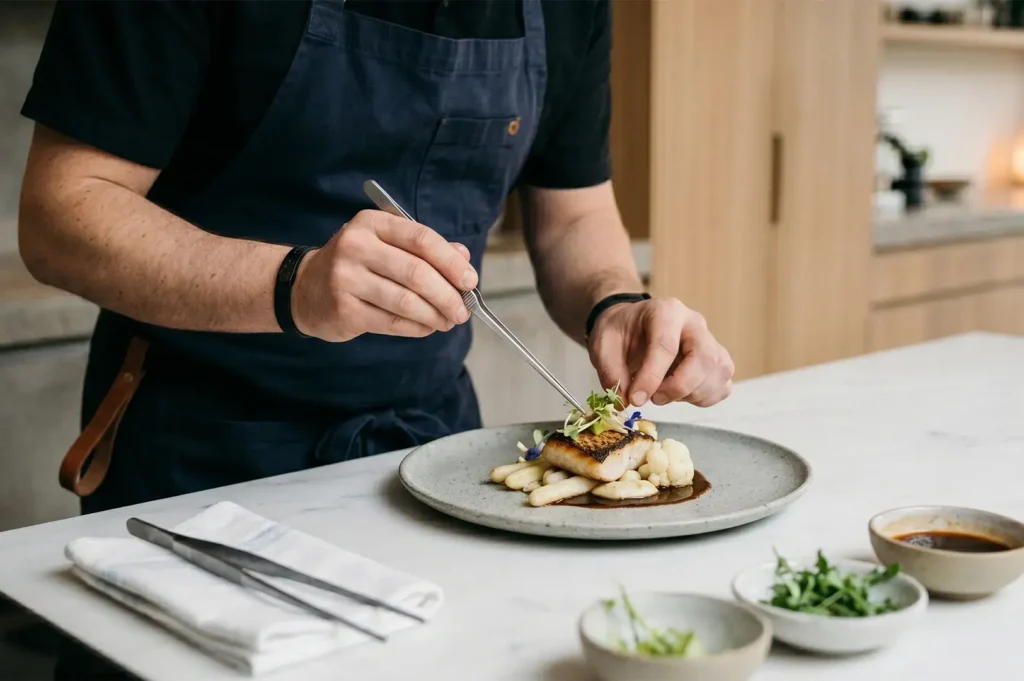
One of the strongest drivers behind the popularity of private dining is the growing demand for a personalised dining experience. Traditional restaurants must balance the needs of many tables simultaneously. Private dining allows chefs and hospitality teams to focus on a single group, creating a level of customization that would be difficult to replicate in a larger setting.
Personalisation often includes:
Personalised menus tailored to guest preferences
Custom wine and beverage pairings, including craft beers
Signature dishes created for a specific special occasion
Flexible pacing throughout the meal
Dietary accommodations without compromising culinary integrity
This approach transforms the diner-kitchen relationship, making guests active participants in shaping their experience. For many, this involvement offers a deeper form of luxury than opulent settings or high prices. Each meal feels unique, designed specifically for its attendees, making exclusive dining increasingly sought after for celebrations, romantic dinners, corporate events, and special occasions.
Why Smaller Gatherings Have Become More Valuable
Another important factor driving the private dining Singapore trend is the growing preference for smaller, more focused gatherings. Following the pandemic, many consumers became more selective about how they spend their leisure time. Dining occasions increasingly emphasize quality of interaction rather than quantity of attendees.
While large gatherings remain important, intimate gatherings now hold greater value for many diners. Smaller groups create opportunities for deeper conversation, stronger connections, and a more relaxed atmosphere.
Private dining naturally supports these preferences. Whether gathering with family, close friends, or professional colleagues, a small group allows for:
More attentive service
Greater menu flexibility
Better control of ambience, including natural light and oriental plants
Stronger guest interaction
A more personalised dining experience
This shift has also reinforced the importance of warm hospitality. In a busy restaurant environment, service teams must divide their attention among numerous tables. Within a private room, hospitality becomes more focused and responsive. Staff can anticipate preferences, adjust pacing, and create a more seamless experience throughout the meal.
Singapore Private Dining Formats Continue to Expand
One of the most notable developments within the sector is the growing diversity of formats available. Singapore’s private dining landscape now extends far beyond traditional restaurant private rooms.
Common formats include:
Private Dining Room Experiences
Luxury hotels and fine dining restaurants like Summer Pavilion continue to invest in sophisticated private dining rooms designed specifically for business entertaining, milestone celebrations, and executive events. For diners looking to explore actual private dining venues in Singapore, the category now spans Michelin-starred restaurants, chef-led concepts, heritage-focused kitchens, and dedicated private dining spaces designed for celebrations, corporate hosting, and intimate gatherings.
Chef's Table Concepts
Counter-based dining remains one of the most sought-after formats, offering guests direct access to the chef and a deeper understanding of the culinary process.
Private Home Dining
Private home dining experiences such as those offered by Lucky House with chef Sam Wong, Lynnette’s Kitchen, and Ampang Kitchen continue to grow in popularity as chefs create intimate restaurant-quality meals within residential settings.
Heritage and Cultural Dining Concepts
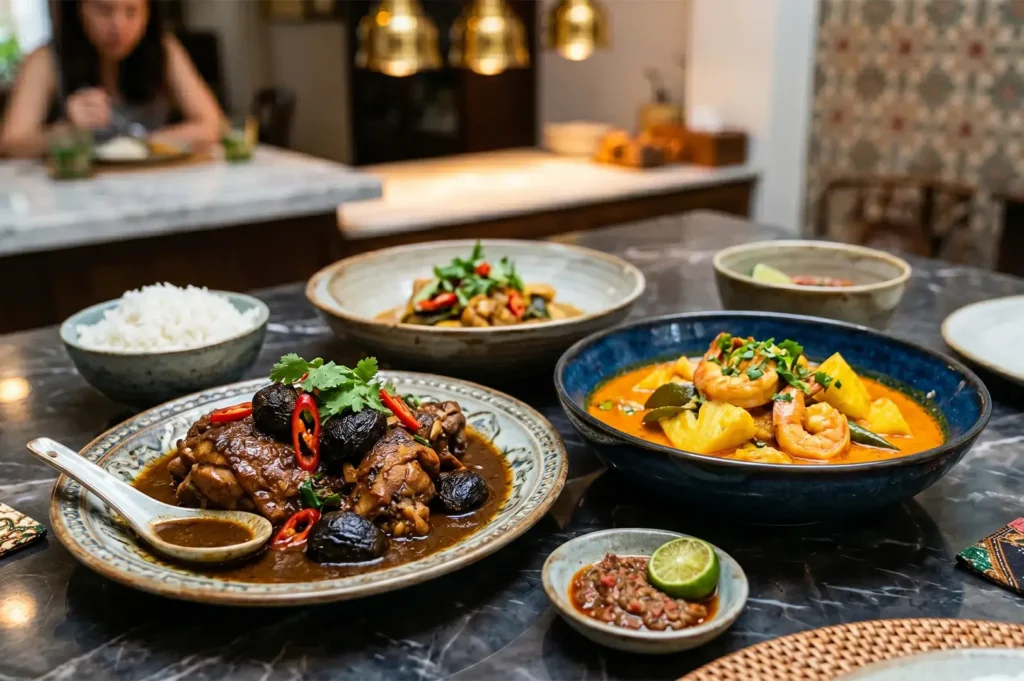
Experiences inspired by Peranakan cuisine, Cantonese cuisine featuring signature dishes like concubine chicken and sambal prawns, and broader Southeast Asia culinary traditions have gained significant traction among diners seeking cultural authenticity alongside exclusivity.
The continued expansion of formats ensures that private dining remains accessible across different budgets, preferences, and occasions while preserving its core appeal.
What the Future of Private Dining in Singapore Looks Like
The future of private dining appears closely linked to broader developments in luxury hospitality.
Several trends are likely to shape the category over the coming years:
Greater Personalization
More Diverse Concepts
Increased Demand for Intimacy
Stronger Focus on Hospitality
Private dining will remain a useful indicator of where luxury dining trends are heading because it concentrates many of the qualities modern consumers increasingly value: exclusivity, personalization, flexibility, craftsmanship, and meaningful attention.
Conclusion
The growth of private dining in Singapore reflects a broader shift in how luxury is perceived and experienced. Diners increasingly prioritize exclusivity over visibility, personalization over standardization, and intimacy over scale. Chef-led concepts, private home dining experiences, sophisticated private dining rooms, and customized hospitality have collectively transformed the category from a niche offering into a defining feature of Singapore’s dining landscape.
As consumer expectations continue to evolve, private dining remains uniquely positioned to meet those demands. It offers something increasingly rare within modern hospitality: an experience designed around a specific group, a specific occasion, and a specific purpose.
For more luxury dining insights, restaurant guides, and editorial features, visit Luxury Dining SG.