I’ve eaten sushi in many forms over the years, but the more I learn, the clearer it becomes that the finest sushi counters worldwide share one foundation: Edomae. Michelin-starred omakase restaurants in Tokyo, New York, and Singapore consistently uphold principles established centuries ago. Edomae sushi is more than raw fish on rice; it’s a philosophy centered on preservation, precision, and respect for ingredients. This article explains what Edomae sushi is, why it dominates fine dining, and why Singapore has become a leading destination for it outside Japan.
What Is Edomae Sushi?
“Edomae” means “in front of Edo,” referring to Tokyo Bay during the Edo period (1603–1868). It originally described local fish from Tokyo Bay, excluding salmon. The term now represents a sushi style using these regional fish prepared with unique preservation techniques developed before refrigeration. These methods made nigiri sushi popular as fast food in the late Edo period and remain central to Edomae sushi’s traditional craftsmanship today.
The Origins of Edomae Sushi
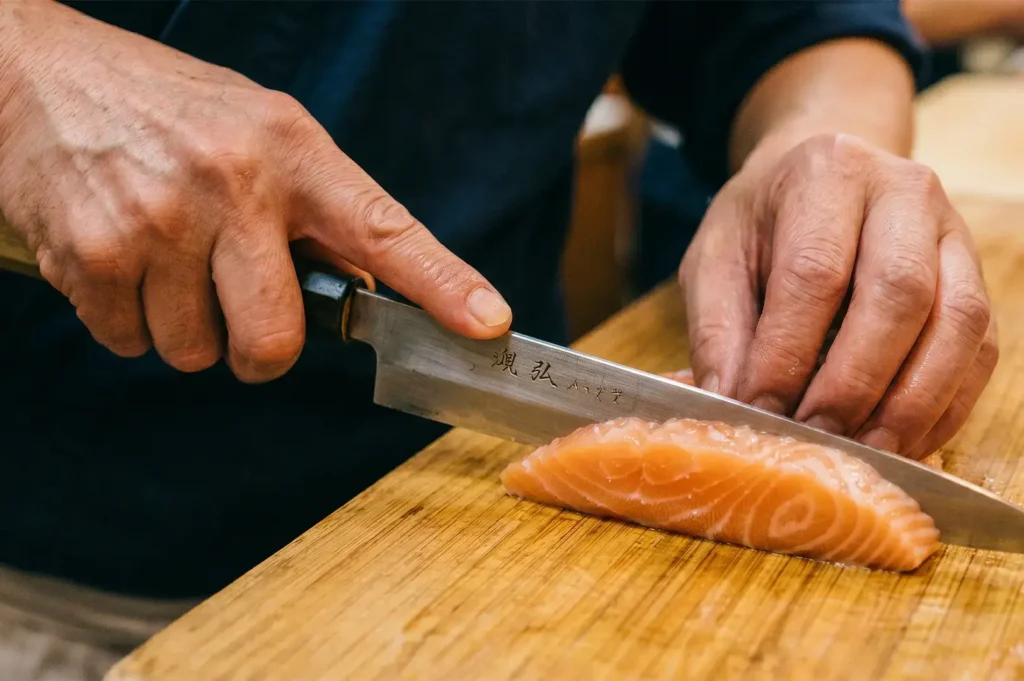
Edomae sushi began as street food in early nineteenth-century Edo, where vendors sold large, hand-pressed nigiri as a quick, filling meal for workers. Over time, sushi evolved from casual snack to refined Japanese cuisine as techniques and ingredient sourcing improved. It moved into specialized restaurants, with omakase counters emphasizing trust between chef and diner in an immersive experience.
Despite refrigeration, traditional curing and preservation methods like marinating, salting, and vinegar treatment remain central. Chefs value these techniques not only for preservation but for enhancing texture and deepening flavor, making them integral to Edomae sushi’s enduring craftsmanship.
Why Aging Fish Is Central to Edomae Sushi
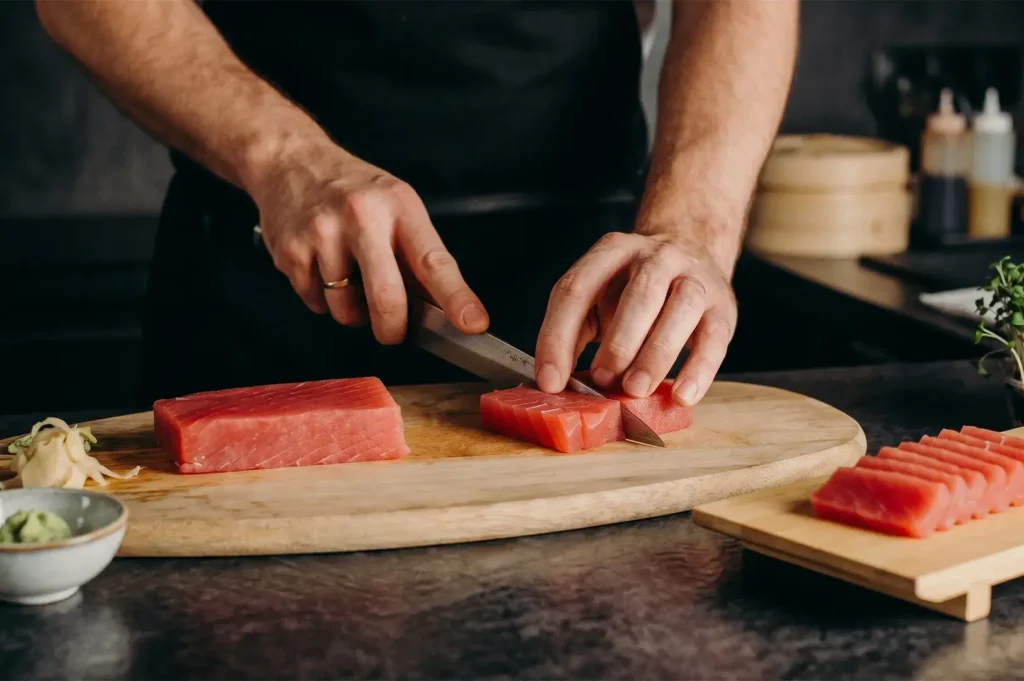
One common misconception is that the freshest fish always makes the best sushi. In Edomae tradition, however, freshness is not the sole goal. Properly aged fish often delivers superior taste.
Aging serves several key purposes:
Umami development: Enzymes break down proteins into amino acids over time, intensifying savory flavors.
Moisture reduction: Excess water is removed, concentrating flavor and firming the flesh.
Texture improvement: Aged fish gains a smoother, more pleasant mouthfeel.
Different seafood benefits from aging in unique ways. For example:
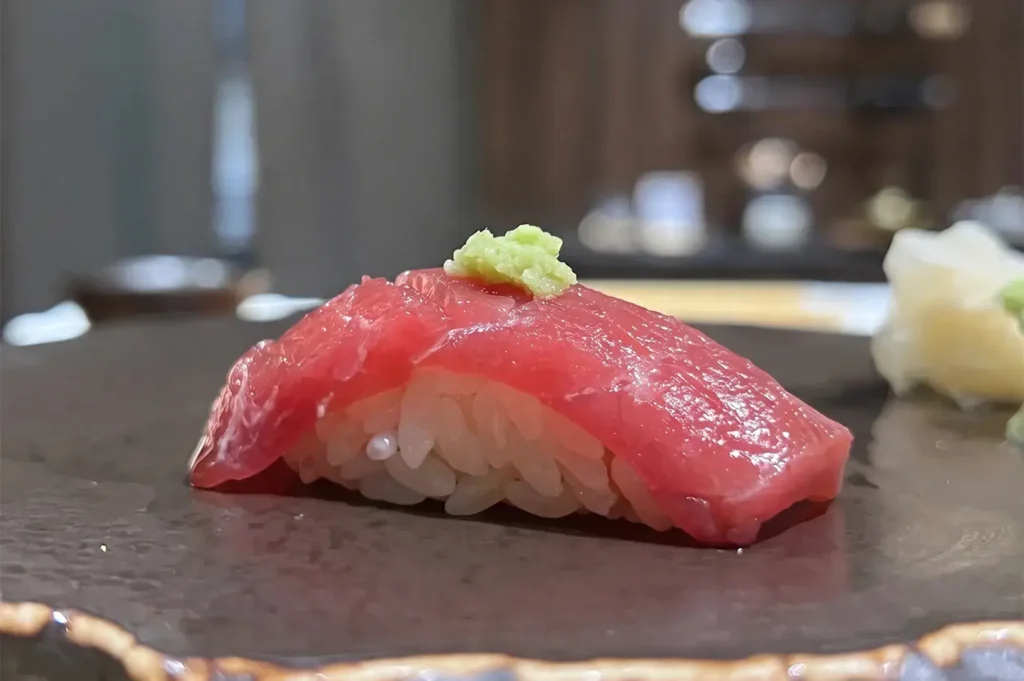
Tuna: Especially toro, is aged for days to deepen flavor and round out the taste.
Kohada (gizzard shad): A classic Edomae fish, it is cured rather than served raw, showcasing skilled preparation.
Mackerel: Salted and vinegar-cured to mellow its strong flavor.
Sea urchin (uni): A key seasonal ingredient; late summer uni from Karatsu is sometimes garnished with sake lees.
Sea bream: Occasionally aged to bring out a delicate sweetness.
Many diners equate freshness with quality, so aging fish may seem counterintuitive. Yet, this controlled patience is a hallmark of true sushi craftsmanship.
The Importance of Vinegar Rice
In Edomae sushi, the balance between fish and rice is crucial, with chefs carefully controlling the temperature, seasoning, and texture to complement the fish without overpowering it. Traditional Edomae chefs often use akazu, a red vinegar made from aged sake lees, which adds a deeper, more complex flavor and subtle sweetness that pairs beautifully with cured and aged seafood. Exceptional shari is served close to body temperature, has just the right acidity and saltiness, and maintains grain integrity for a perfect mouthfeel. Mastering sushi rice demands great skill and attention, shaping the final flavor of Edomae sushi beyond the quality of the fish alone.
Traditional Preparation Techniques That Define Edomae Style Sushi
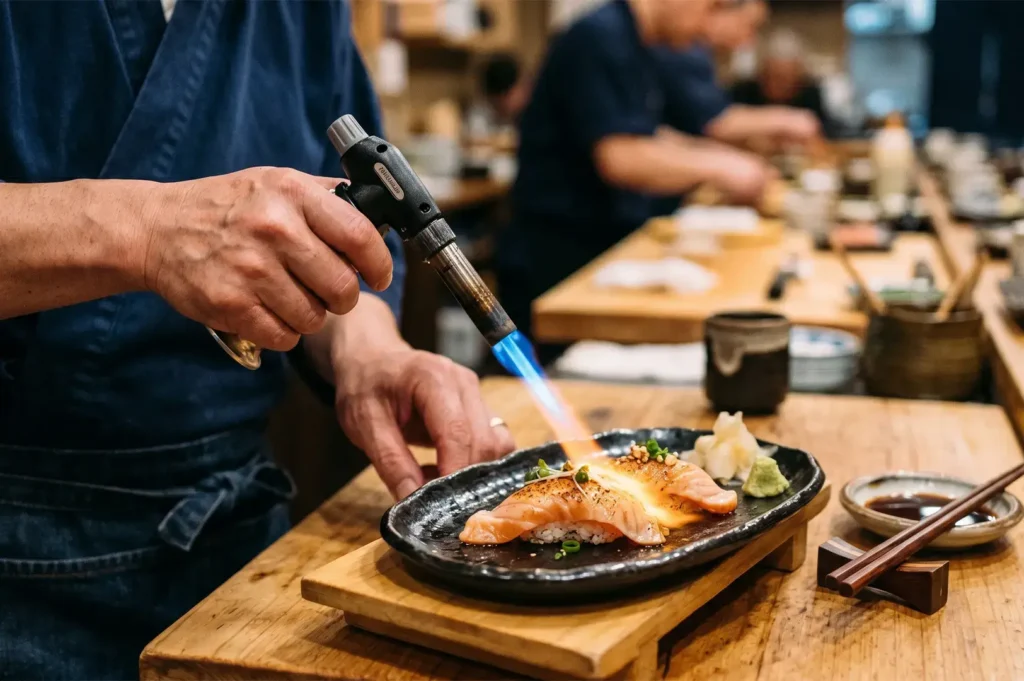
Edomae sushi’s distinctiveness comes from its preparation methods that enhance flavor and texture:
Shoyu-zuke – Fish, often tuna, is marinated in soy sauce for hours, deepening color and flavor while reducing the need for extra soy.
Su-jime (Gizzard Shad Preparation) – Fish like mackerel is salted then cured in vinegar to firm flesh and add brightness, requiring precise timing to avoid over-curing.
Kombu-jime – Fish is pressed between kelp sheets, which draws out moisture and imparts subtle umami, ideal for delicate white fish like sea bream.
Aburi – Lightly searing fish releases aroma and softens fat, creating a warm exterior with a cool interior for balanced flavor.
Why Michelin Stars Are Awarded to Edomae Sushi
Once you understand the technical depth of Edomae, its dominance in Michelin Guide omakase dining makes sense. The qualities that define this tradition align almost perfectly with the standards used to evaluate fine dining. Consider what inspectors tend to reward:
Consistency: Edomae techniques demand reproducible precision, piece after piece.
Technical mastery: Curing, aging, and rice preparation require years to refine.
Ingredient quality: The tradition relies on carefully selected, seasonal fish.
Precision: Knife work, timing, and temperature control are exacting.
Restraint: Edomae favors subtle enhancement over heavy seasoning or spectacle.
Michelin star sushi rarely impresses through extravagance. It earns recognition through discipline and quiet skill. That is exactly what Edomae rewards, which is why the style appears so consistently among Michelin star restaurants and Michelin restaurants at the top tier.
Why Restaurants in Singapore Have Become a Destination for Edomae Sushi
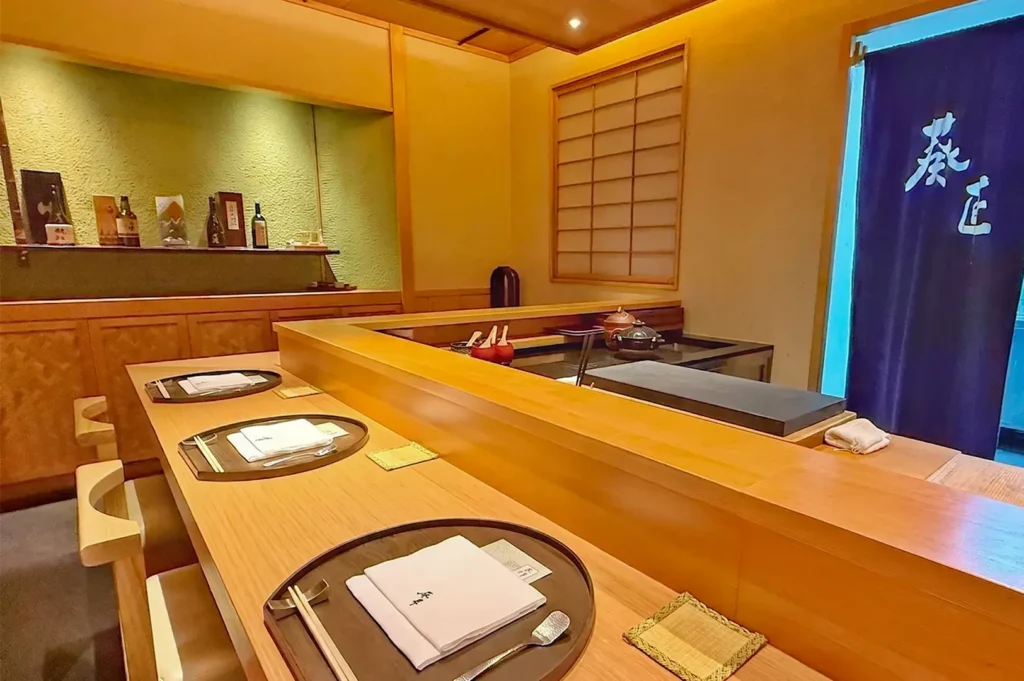
Singapore has become a genuine hub for edomae sushi over the past decade for practical and cultural reasons. Direct, frequent seafood imports from Japan’s Toyosu Market ensure chefs have reliable access to premium, seasonal fish essential for authentic Edomae sushi. Additionally, many skilled Japanese chefs have relocated here, raising standards significantly, with Michelin-starred kappo-style omakase restaurants like Ki Sho exemplifying this craftsmanship.
Singapore’s sophisticated diners appreciate aged fish, akazu vinegar, and proper shari, encouraging chefs to preserve tradition while allowing places like Sushi Yujo to offer Edomae sushi with modern presentations.
Together, these factors have created a thriving omakase scene in Singapore. For those eager to experience true Edomae craftsmanship, exploring the best Michelin omakase restaurants in Singapore is ideal.
The Future of Edomae Sushi in Modern Omakase
A fair question is whether tradition can survive innovation in edomae sushi and Japanese cuisine. Observing Michelin-starred omakase counters, the answer is yes, though with evolution. Dishes like edomae tempura, sea urchin, shellfish, and other types of seafood often accompany the core nigiri sushi. Luxury Michelin restaurants may indulge diners with seasonal caviar or vegetables, but these remain secondary to the edomae tradition.
Edomae methods endure because they solve flavor and texture challenges unmatched by trends. Innovation layers on the foundation without replacing it. This relevance anchors modern omakase dining in Tokyo, Singapore, and other cities worldwide. Singapore, in particular, has become a hub for edomae sushi with several Michelin-selected restaurants and three restaurants holding one Michelin star or more, drawing travelers eager to indulge in this great-value culinary tradition.
While Edomae sushi represents the pinnacle of Japanese craftsmanship, it is only one part of Japan’s broader dining culture. For readers interested in exploring a more casual and social side of Japanese gastronomy after an omakase experience, Drinks, Dishes, and the Izakaya After Work: Best Izakaya Singapore to Linger In offers a look at the city’s most compelling izakaya destinations.
For more, visit Luxury Dining SG for Japanese fine dining guides, Michelin-starred restaurant insights, and curated luxury dining recommendations in Singapore and beyond.