We have observed a meaningful shift in how diners define value, and it has little to do with quantity. For years, luxury was measured by abundance: more courses, rarer ingredients, larger portions of caviar, longer wine lists. That definition is fading. In its place, we see a growing appreciation for experience over excess, and it is reshaping what discerning diners truly want.
The change is not about spending less. It is about spending with intention. A diner who once equated value with volume now asks a different question: how did the evening make me feel? We notice this in the choices people make. They will trade a sprawling tasting menu for a focused one that is executed flawlessly. They will choose a quiet table with attentive service over a grand room that overwhelms. The appeal has moved from what is placed in front of them to what they carry home.
This reflects a more mature understanding of luxury. Excess is easy to buy; experience is not. Anyone can order the most expensive bottle on the list, but no amount of money guarantees a meal that feels considered, personal, and memorable. The latter requires craftsmanship, judgment, and care, qualities that cannot be inflated by price alone. We believe this is precisely why experience now commands greater respect among those who dine often and dine well.
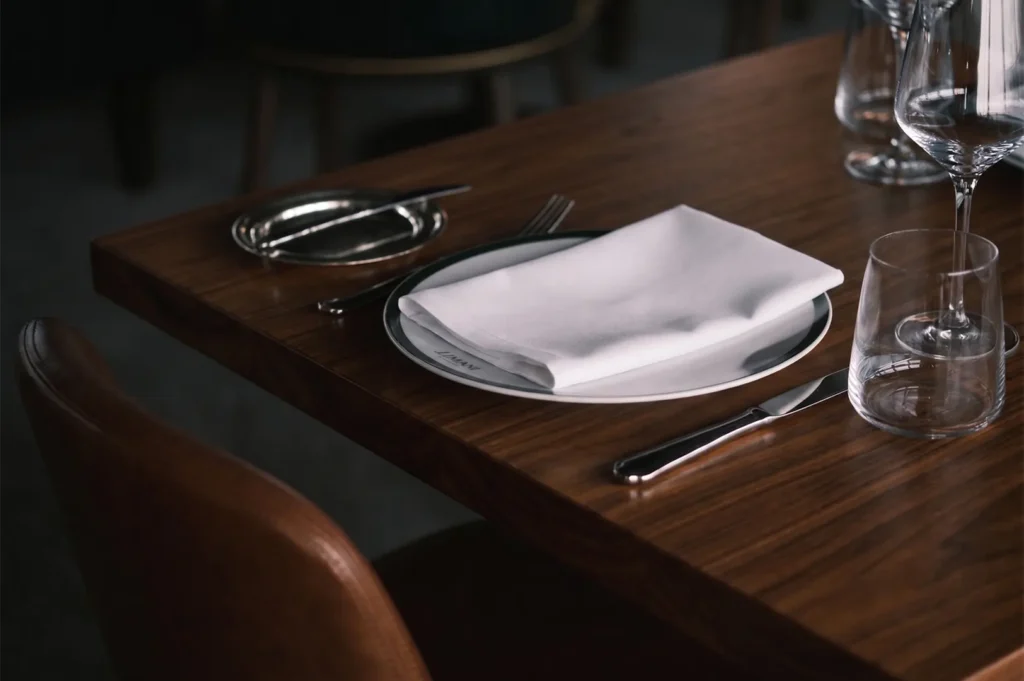
There is also a practical truth behind the trend. We live surrounded by abundance, and abundance has lost its novelty. When everything is available, more of it stops feeling special. What becomes rare, and therefore valuable, is attention: a chef who cooks with a clear point of view, a server who anticipates a need before it is spoken, a room designed for comfort rather than spectacle. These are the elements that linger in memory long after the meal ends.
We see the same logic across the wider luxury landscape. The most compelling brands no longer compete on how much they can offer; they compete on how meaningful the encounter feels. Dining is following this path closely. The restaurants earning the strongest reputations are not the loudest or the most extravagant. They are the ones that understand pacing, restraint, and the quiet art of making a guest feel genuinely cared for.
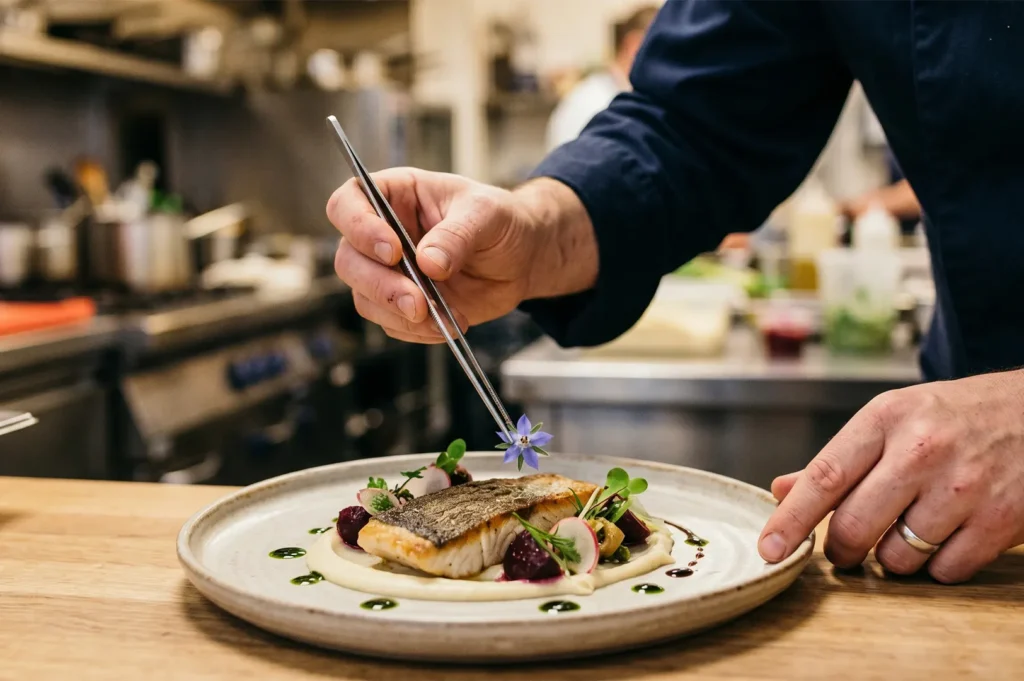
What strikes us most is how this shift rewards substance. A meal built on technique, hospitality, and thoughtful storytelling will always outlast one built on display. Diners increasingly recognize the difference, and they are willing to seek it out. They want to remember an evening, not simply describe a receipt.
In our view, this is a healthy correction. It returns the focus to what dining was always meant to be: a moment of connection, presence, and pleasure. Excess can impress for a night; experience stays with us. The future of fine dining belongs to those who understand that the most valuable thing on the table is how the moment is made to feel.
“Abundance can be purchased; a memorable experience must be created.”
For more refined dining perspectives, culinary insights, and curated recommendations, visit Luxury Dining.