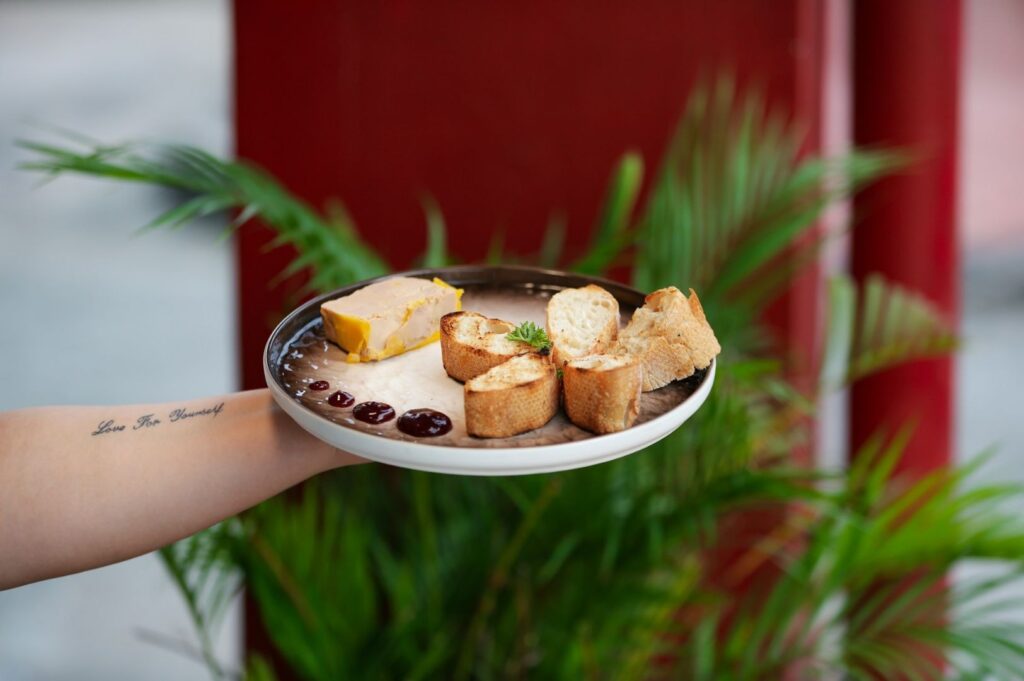
I’ll never forget the first time I ordered foie gras in Singapore. At a classic French restaurant, feeling very grown-up and a little intimidated, I encountered this delicacy described with words like “delicate,” “rich,” and “buttery.” The plate arrived with a small, perfectly seared lobe of liver sitting in a shallow pool of shimmering fat, next to a dollop of fig jam. The experience was unlike anything I had ever tasted—impossibly smooth with a deep, savory flavor that coated my entire mouth. It was also incredibly rich, and after a few bites, palate fatigue set in. This richness is typical of foie gras, a luxury ingredient that demands respect and restraint.
Over the years, I’ve learned that foie gras Singapore is a fascinating example of culinary precision and cultural fusion, blending French technique with the melting pot of Southeast Asia’s flavors. This guide will help you navigate the world of foie gras in Singapore, where tradition meets innovation in the city’s vibrant food scene.
What Exactly Is Foie Gras? Understanding This Luxurious Ingredient in Singapore Food Culture
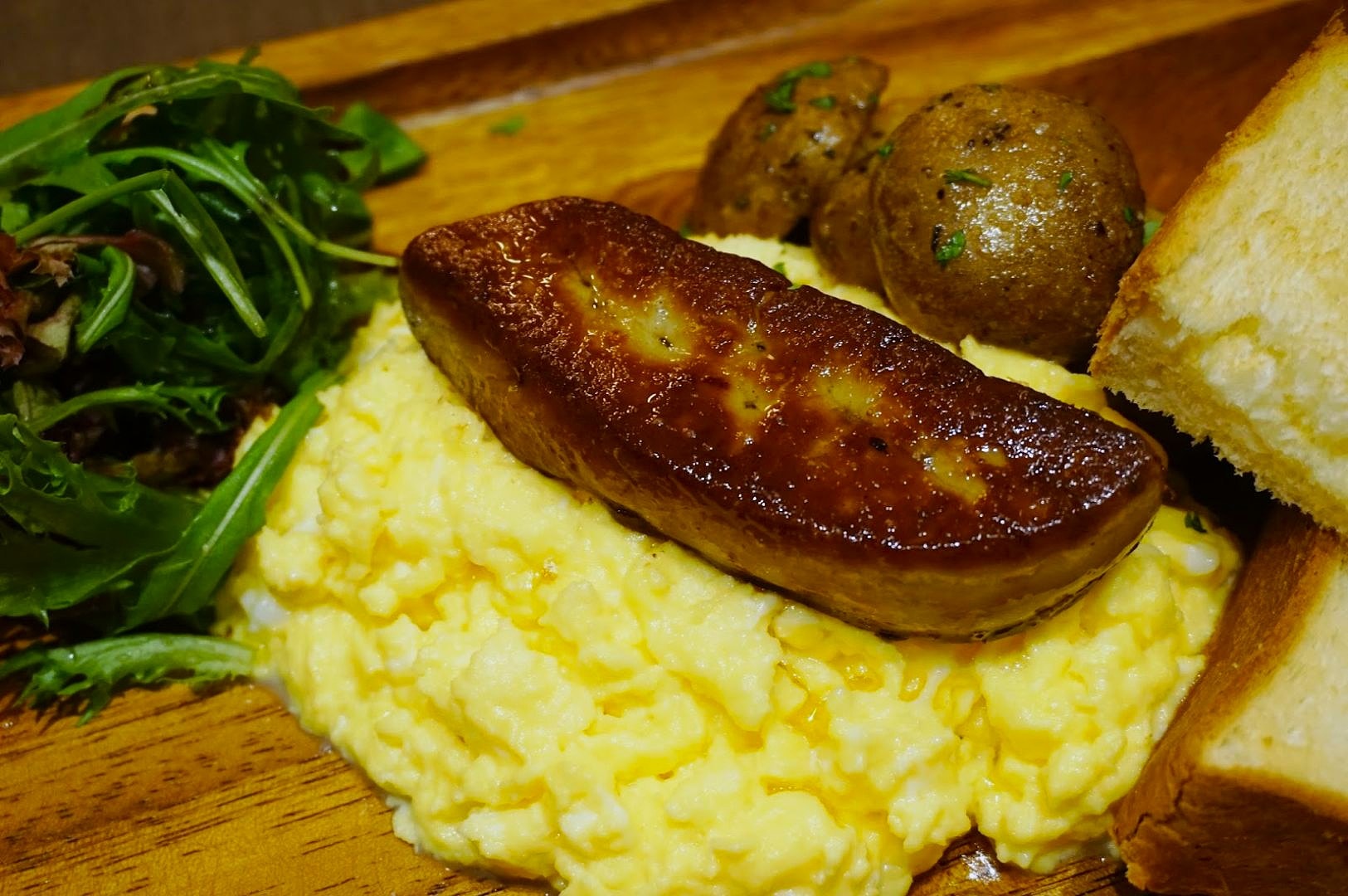
“Foie gras” literally means “fat liver” in French, referring to the fattened liver of a duck or goose, achieved through a process called gavage. This results in a liver with a high fat content, giving it a uniquely smooth, buttery texture and a delicate, rich flavor. In Singapore, duck foie gras is most common, prized for its slightly robust flavor.
Foie gras appears in many forms across Singapore’s dining venues:
Pan-Seared: A popular preparation where foie gras is seared at high heat, creating a caramelized crust while the inside remains soft and custard-like.
Terrine or Torchon: Cold preparations where foie gras is seasoned, pressed into molds or rolled in cloth, then chilled and served in slices, often alongside toasted bread or kaya toast.
Sauces and Fillings: Foie gras enriches sauces or fills ravioli, adding luxurious depth.
Fusion Dishes: Singapore’s dynamic culinary landscape includes foie gras in unique forms, such as atop nigiri sushi in omakase menus or in savory chawanmushi.
This ingredient’s luxury status arises from its specialized farming process, cooking skill, and intense flavor concentration. A little foie gras goes a long way.
Where to Find Foie Gras Dishes in Singapore
Foie gras is a luxurious delicacy that is typically featured in upscale dining establishments across Singapore. Whether you are seeking classic French preparations or modern fusion interpretations, the city offers several renowned venues where you can indulge in this rich and buttery ingredient. Below are some notable places to try foie gras dishes, along with highlights, locations, and price ranges.

Highlights: Modern interpretations of foie gras incorporating local Singaporean flavors; creative and artful presentations.
Location: 8 Raffles Avenue, #01-03 Esplanade Mall, Singapore 039802
Price: Main foie gras dishes typically range from SGD 40 to SGD 70.
Highlights: Affordable foie gras options, including classic pan-seared foie gras served with lentils; casual fine dining atmosphere.
Location: 1 Cuscaden Road, Singapore 249715
Price: Foie gras dishes around SGD 30 to SGD 50.
Highlights: Themed buffets offering unlimited foie gras selections such as seared foie gras, terrines, and foie gras crème brûlée; a luxurious buffet experience.
Location: 3A River Valley Road, #01-01, Singapore 179020
Price: Buffet prices vary, approximately SGD 80 to SGD 120 per person.
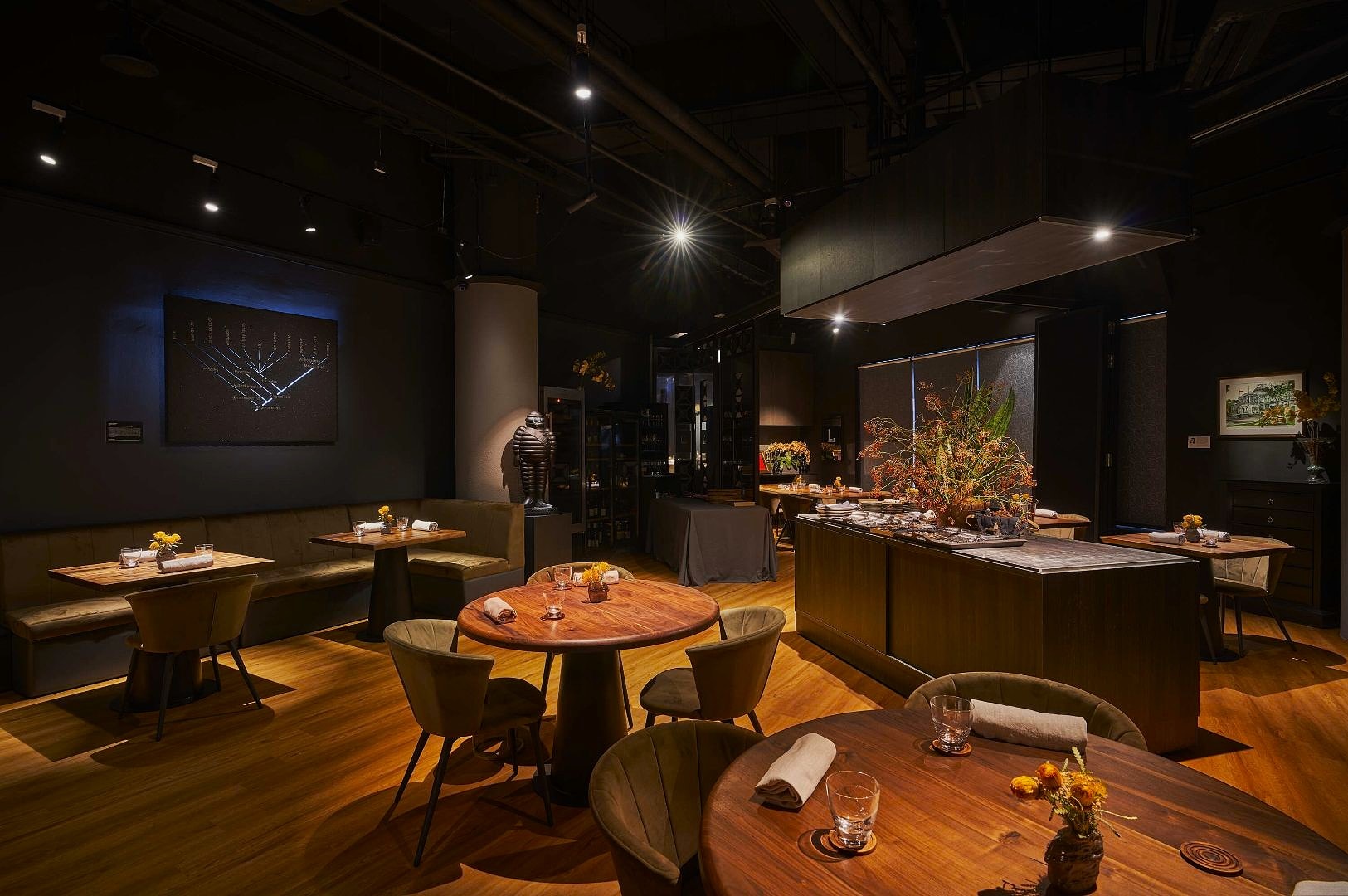
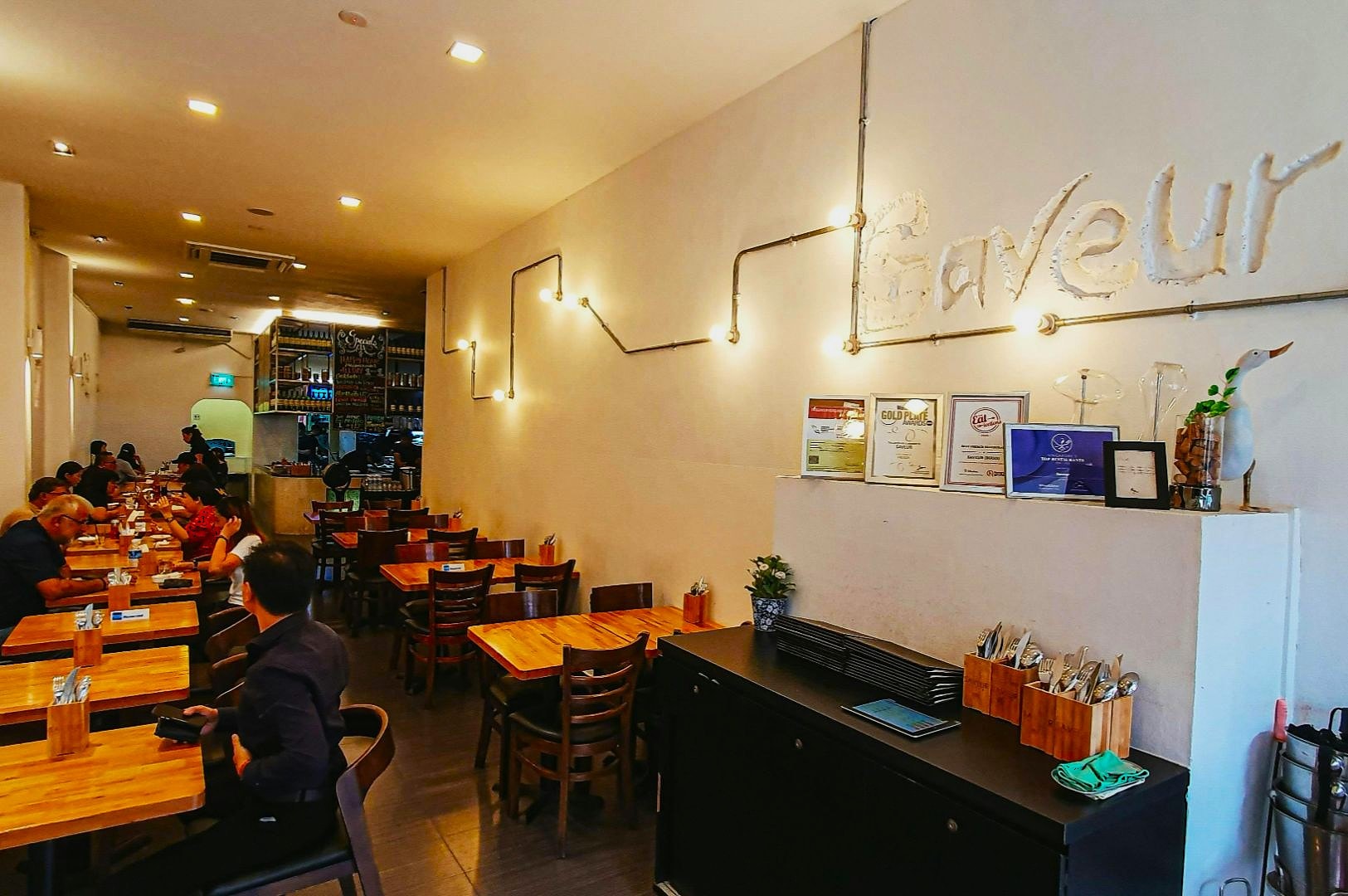
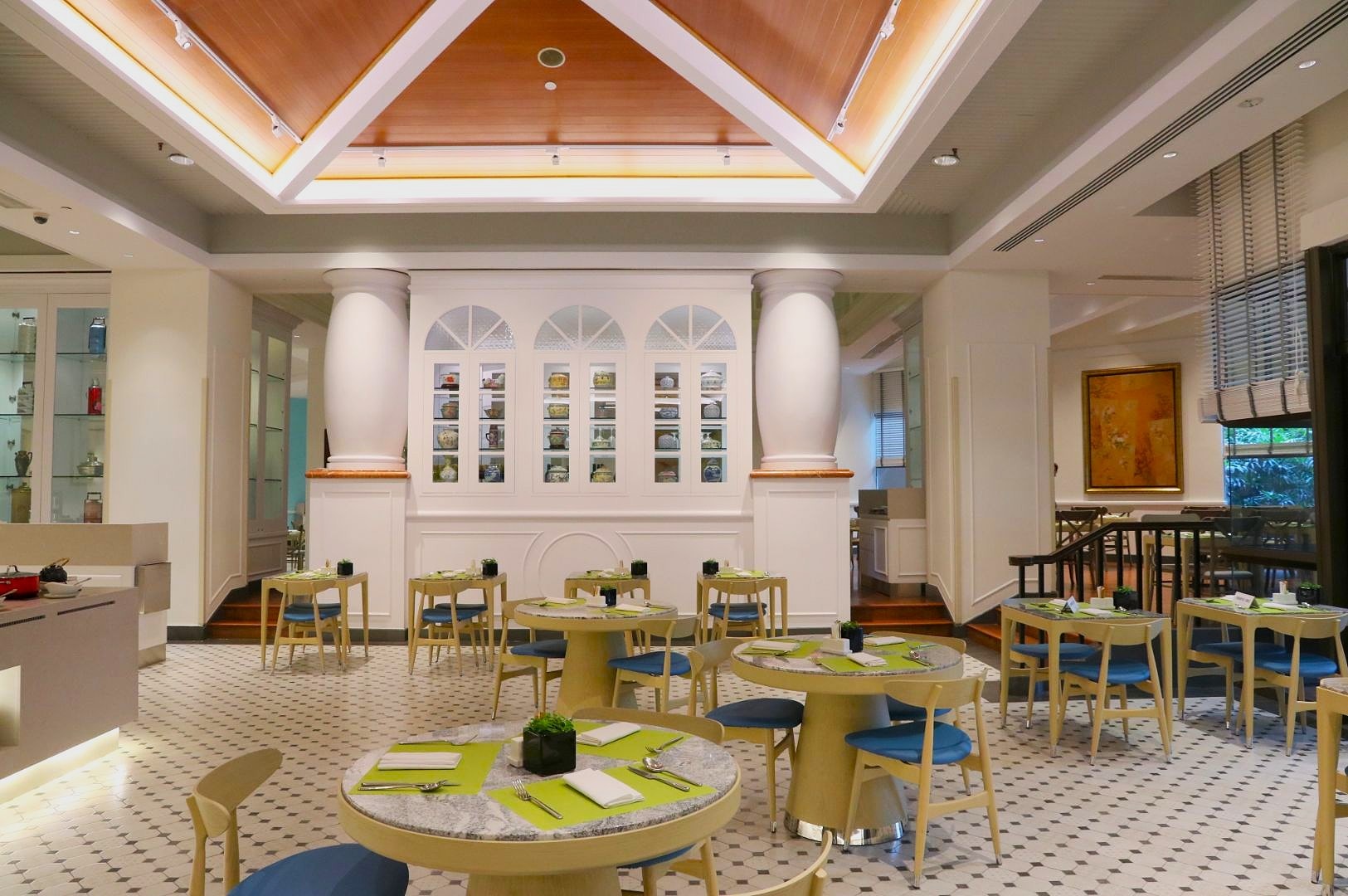
These venues showcase the versatility and elegance of foie gras within the diverse culinary landscape in Singapore, providing both traditional and innovative dining experiences for aficionados and curious food lovers alike.
Can you find Foie Gras in Hawker Centre and Hawker Stalls?
Foie gras, known for its rich, buttery texture and luxurious appeal, is traditionally associated with fine dining and upscale restaurants in Singapore. Due to its delicate preparation and premium cost, foie gras is rarely found in hawker centres or hawker stalls, which primarily focus on affordable, local street food favorites. These bustling open air food courts are celebrated for iconic Singapore dishes such as char kway teow, laksa with a coconut milk base, and chilli crab, rather than French delicacies.
However, Singapore’s vibrant culinary scene is constantly evolving, and some hawker-style eateries and casual dining spots have begun to experiment by incorporating foie gras into fusion dishes, blending this French luxury ingredient with local flavors. Despite this, foie gras remains predominantly a feature of high-end dining experiences rather than the traditional hawker fare that includes staples like rice cakes, yellow egg noodles, fish paste, and oyster omelette.
For those eager to enjoy foie gras in Singapore, it is best to visit specialized restaurants or fine dining establishments where chefs showcase the ingredient’s versatility—ranging from pan-seared foie gras to foie gras terrines and creative fusion presentations. Meanwhile, hawker centres continue to be the go-to places for experiencing authentic local coffee, soft boiled eggs, kaya toast, and other beloved Singaporean culinary treasures.
Iconic Dishes that Compliments Foie Gras for an Elevated Experience
Singapore’s culinary scene is a vibrant tapestry woven from diverse cultures and rich traditions. Among its many gastronomic treasures, foie gras stands out as a luxurious delicacy that beautifully contrasts with the city’s beloved local hawker fare. This guide delves into the world of foie gras in Singapore, exploring how this French classic harmonizes with the bold and flavorful dishes that define the authentic food in Singapore
Hainanese Chicken Rice: The Fragrant Rice Cooked with Chicken Fat and a Perfect Complement to Foie Gras in Singapore Cuisine
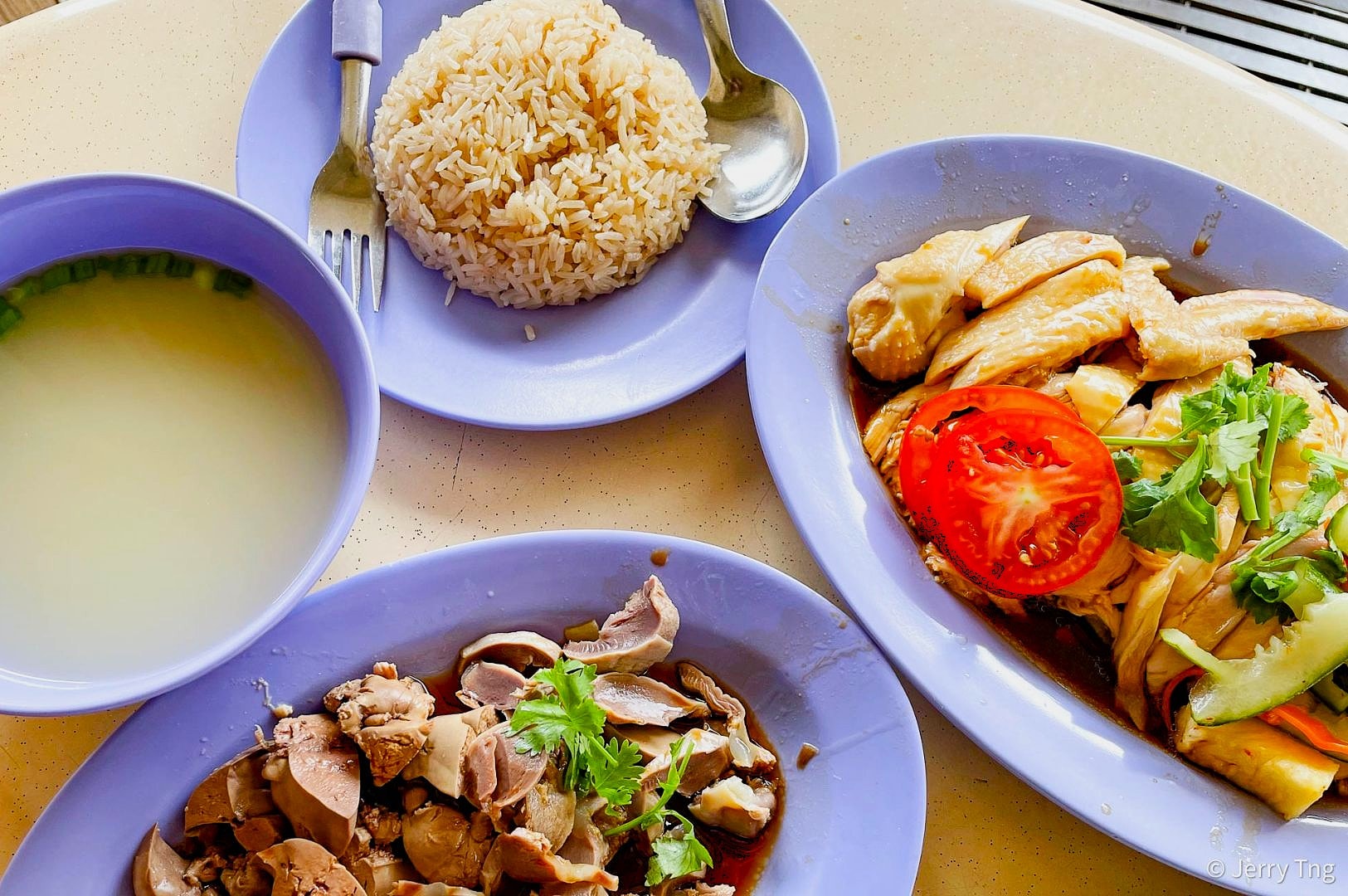
No exploration of Singapore food is complete without mentioning hainanese chicken rice, a dish that not only exemplifies the city’s culinary heritage but also pairs beautifully with the rich indulgence of foie gras. This popular dish features tender poached chicken served with fragrant rice cooked in chicken fat, garlic, and ginger, accompanied by chili sauce, dark soy sauce, and sometimes soft boiled eggs. Its balanced flavors and aromatic profile provide an excellent contrast to the buttery richness of foie gras, making it a harmonious pairing for those seeking to experience the full spectrum of Singapore’s food culture.
The rice, infused with the richness of chicken fat and aromatics, creates a fragrant base that complements the luxurious texture of foie gras. This dish is widely enjoyed at hawker centres and hawker stalls island-wide, including the famous Airport Road Food Centre, offering a traditional yet versatile backdrop to elevate foie gras dining experiences in Singapore.
Char Kway Teow: Stir Fried Flat Rice Noodles with Chinese Sausage and Cockles – A Local Favorite Complementing Foie Gras Experiences
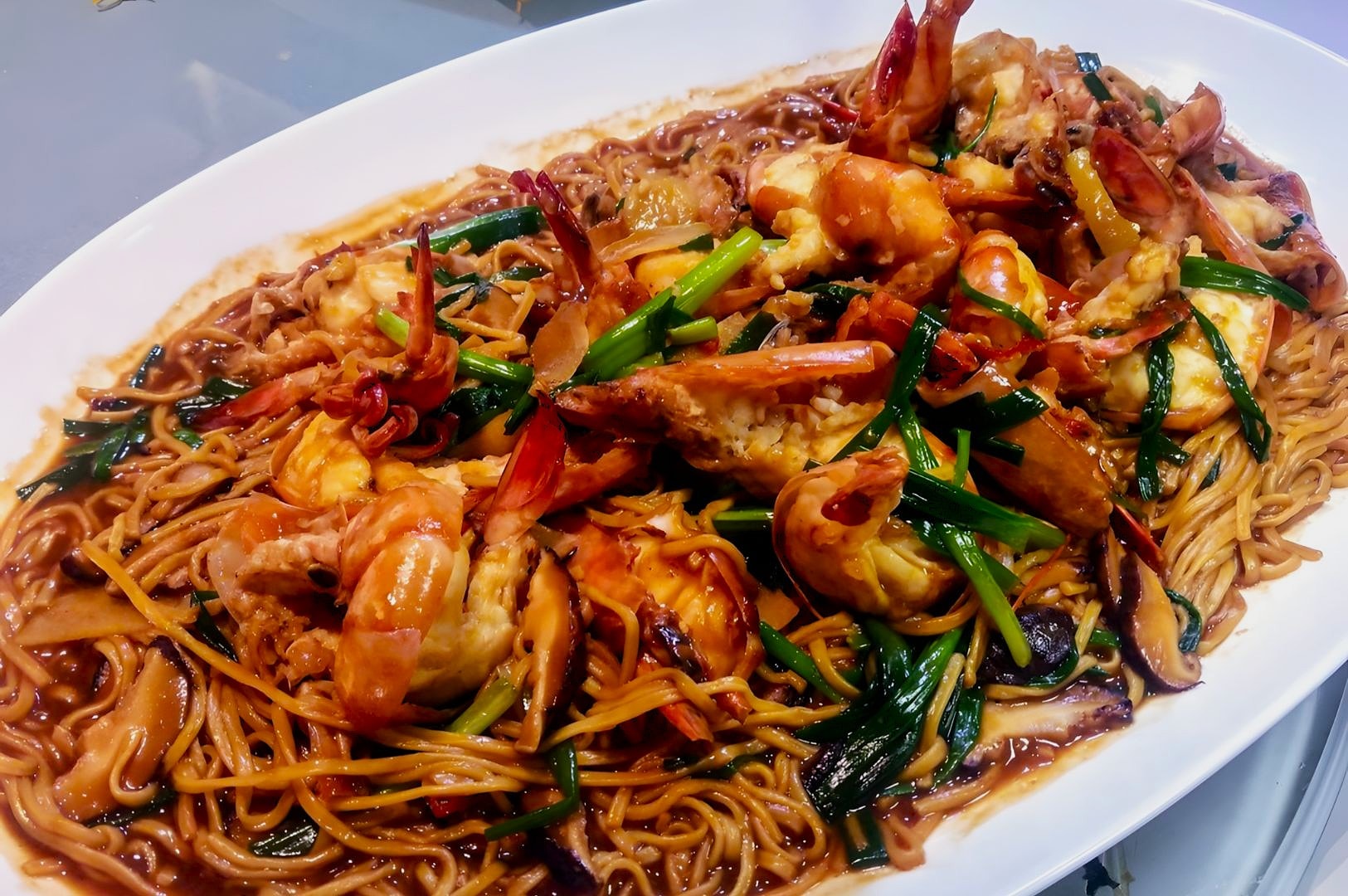
While foie gras represents the pinnacle of luxury dining in Singapore, traditional hawker dishes like char kway teow offer a vibrant contrast, showcasing the city’s rich culinary diversity. This beloved dish features stir fried flat rice noodles combined with egg noodles, Chinese sausage, bean sprouts, cockles, and a savory sauce made from dark soy sauce and chili sauce.
Pairing foie gras with such iconic local flavors highlights the dynamic fusion present in Singapore’s food scene, where French delicacy meets beloved street food, creating unique dining experiences that celebrate both refinement and tradition (Possibly one of our favourite combinations to date). Traditionally, char kway teow is enjoyed with a squeeze of lime juice to add a refreshing citrus note, further enhancing its complex taste profile.
Indian Food: Rich Flavors and Spices Complementing Foie Gras Experiences in Singapore
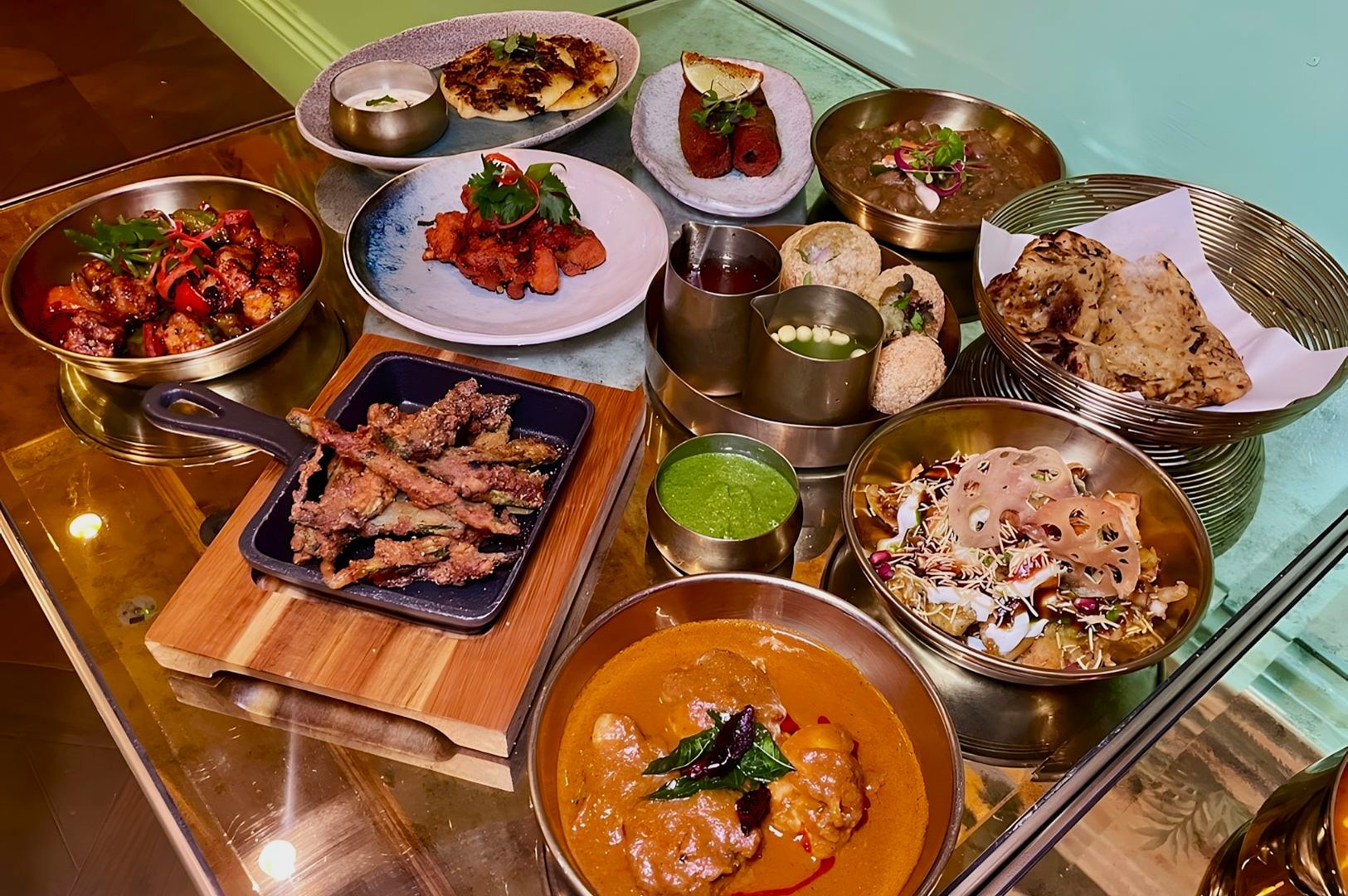
Singapore’s Indian food scene offers a vibrant array of dishes influenced by South and North Indian cuisines, providing bold flavors and aromatic spices that can beautifully complement the richness of foie gras. At hawker centres and Indian restaurants, you can enjoy roti prata served with curry, flavorful biryanis, and spicy side dishes that bring depth and contrast to foie gras dishes.
Indian cuisine in Singapore often features fragrant rice cooked with pandan leaves and spices, alongside side dishes like fried chicken and sambal chili. Popular drinks like teh tarik enhance these meals, creating a uniquely Singaporean dining experience that pairs well with the luxurious indulgence of foie gras.
Carrot Cake: A Savory Hawker Favorite and Its Contrast to Foie Gras
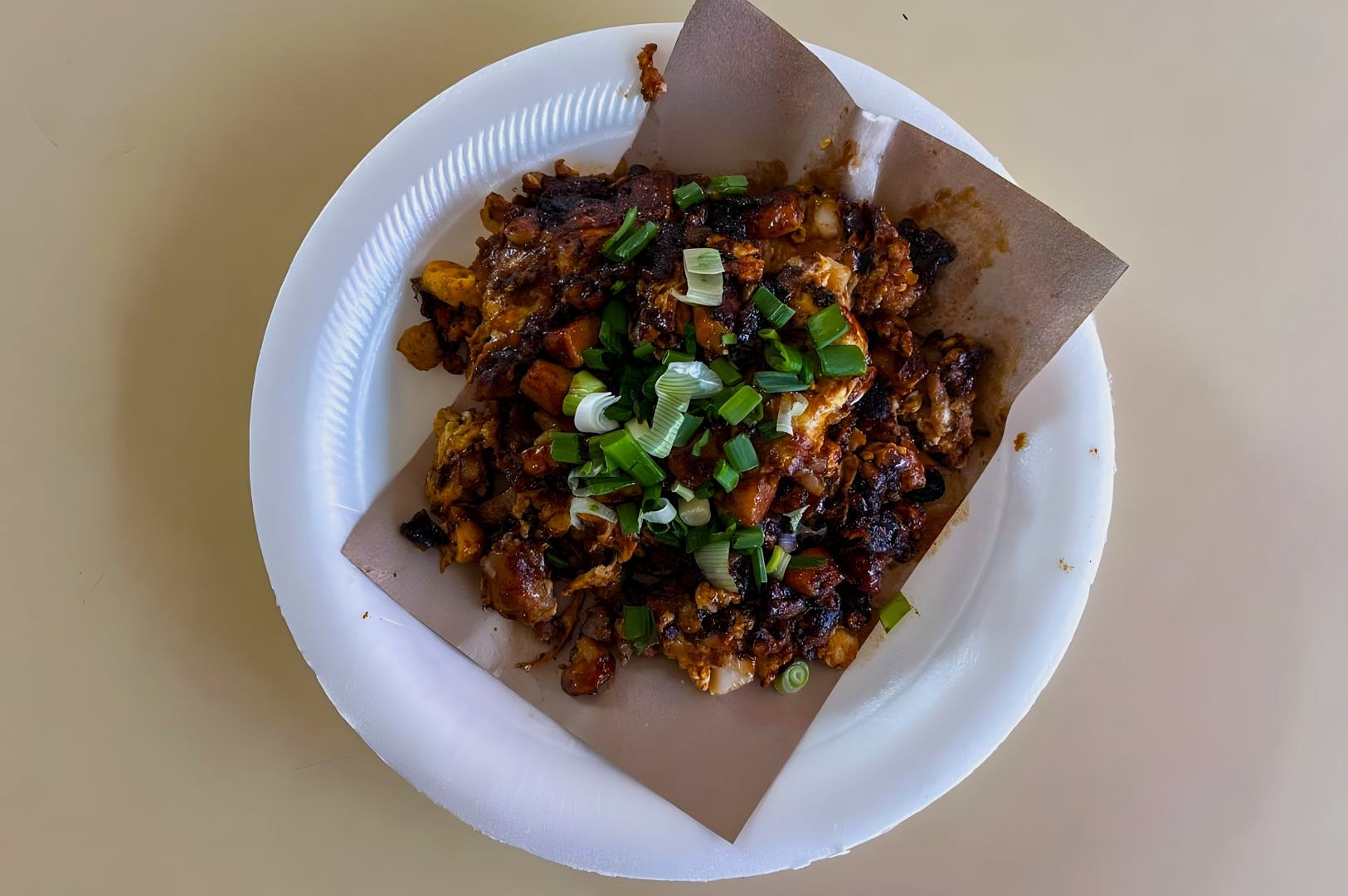
Carrot cake, or chai tow kway, is a beloved savory dish made from rice flour and shredded white radish, stir fried with eggs and finished with chili sauce and sometimes sweet soy sauce. Despite its misleading name, this dish contains no carrots but remains a staple at hawker centres and hawker stalls throughout Singapore.
While foie gras represents the pinnacle of luxury and refinement in Singapore’s dining scene, carrot cake exemplifies the hearty, comforting flavors found in local hawker fare. The dish often incorporates palm sugar for a touch of sweetness, showcasing the blend of Chinese and Malay influences that define Singapore food. Together, these dishes highlight the diverse spectrum of Singaporean cuisine, from humble street food to opulent delicacies.
Chilli Crab and Foie Gras: Iconic Singaporean Delicacies Showcasing Culinary Diversity
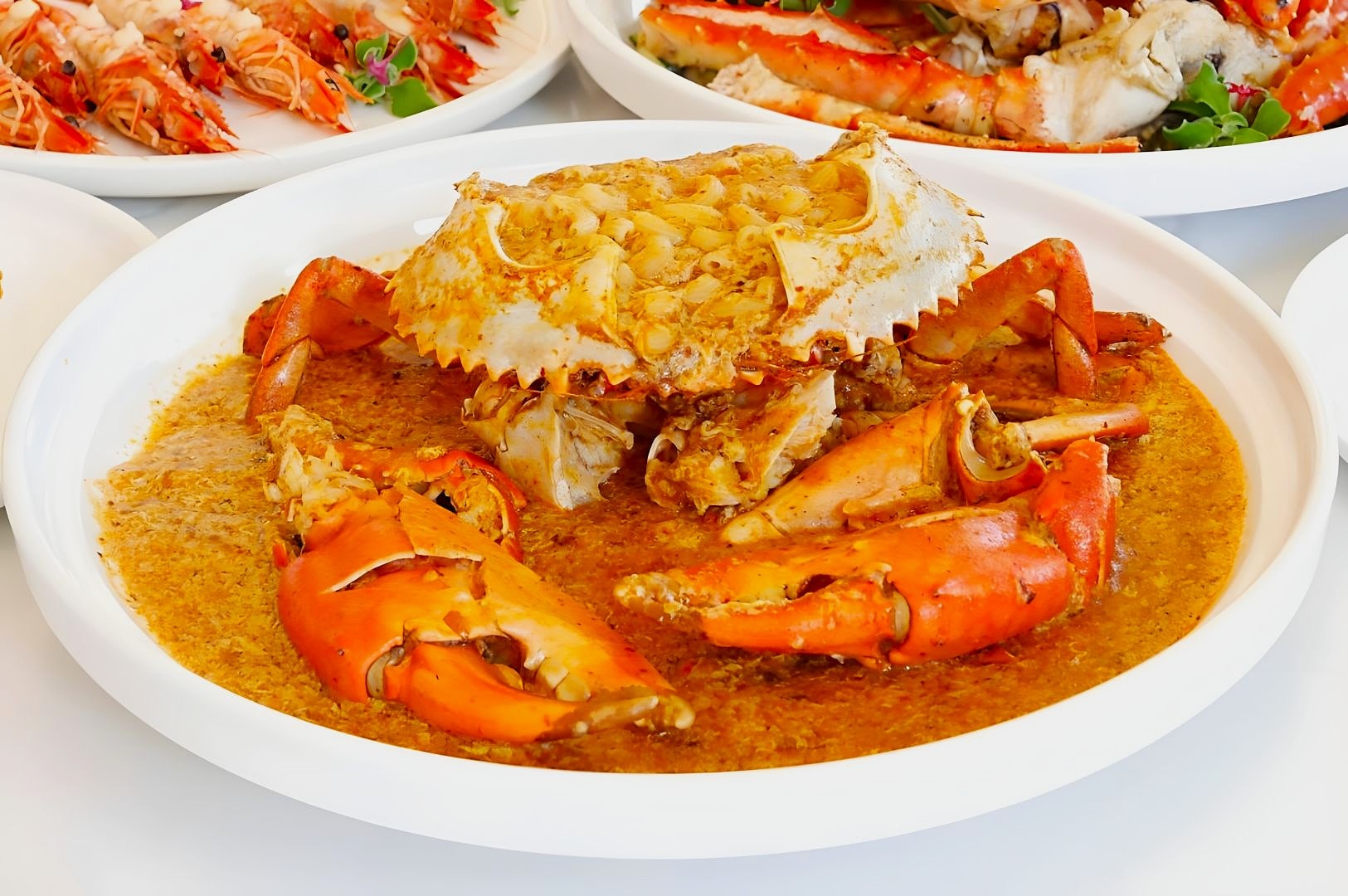
While chilli crab is a signature Singaporean dish featuring fresh crab cooked in a thick, tangy, and mildly spicy tomato-based sauce made with chili sauce, garlic, and sometimes egg, foie gras represents the pinnacle of luxury dining with its rich, buttery texture and delicate flavor. Both dishes highlight Singapore’s diverse food scene—from the bold, comforting flavors of seafood served with fried bread buns to the refined elegance of foie gras prepared with French culinary precision.
These contrasting yet complementary delicacies embody the fusion of tradition and innovation that defines Singapore’s vibrant gastronomy, offering food lovers a spectrum of experiences from casual hawker centres to upscale restaurants.
Bak Chor Mee: A Savory Noodle Dish That Balances Bold Flavors Like Foie Gras
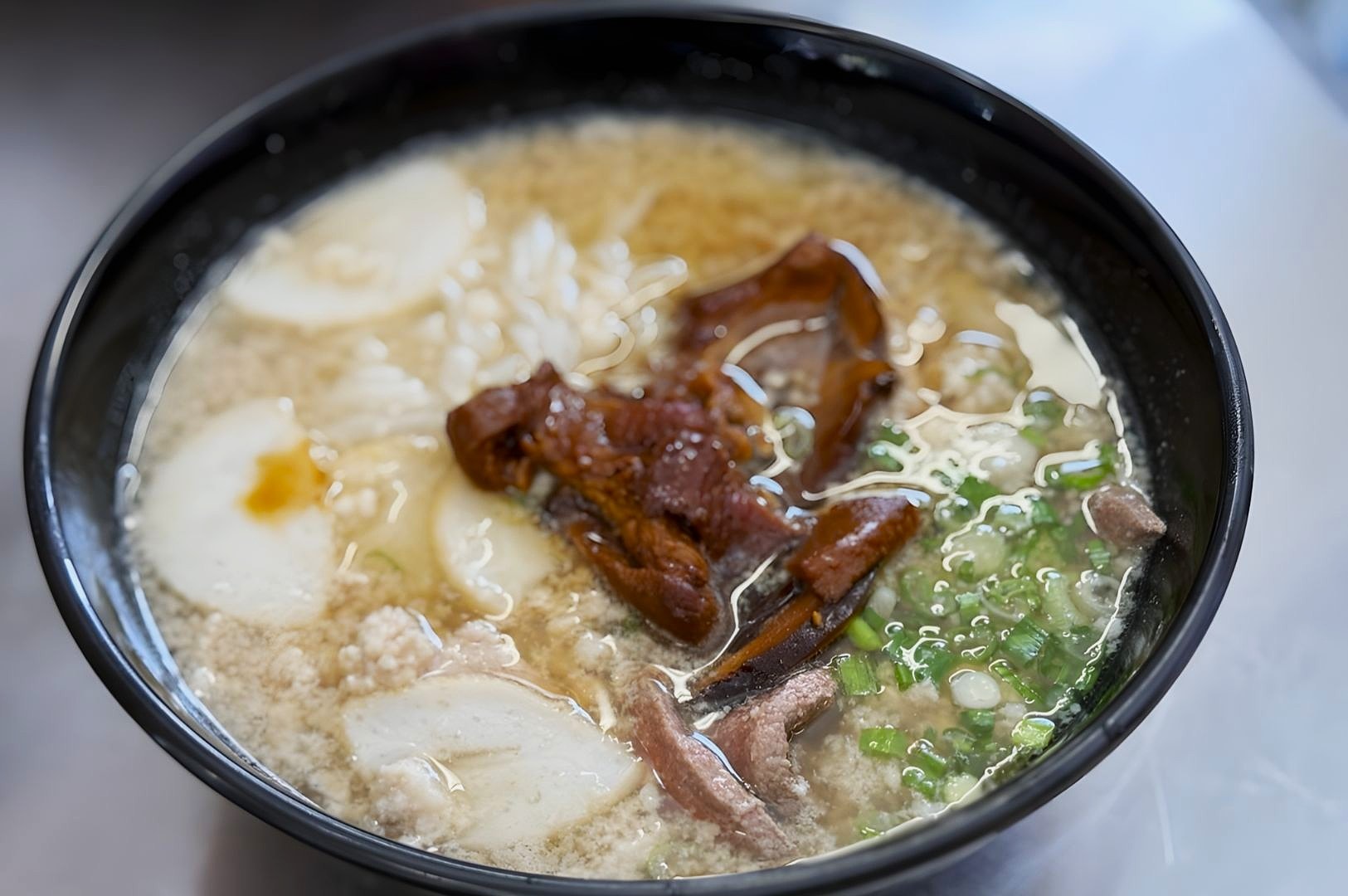
Bak chor mee is a beloved Singaporean noodle dish featuring egg noodles or bee hoon topped with minced pork, pork bones broth, fish balls, and fish cake. Served dry, the noodles are tossed in a tangy and spicy sauce made from chili sauce, dark soy sauce, and vinegar, accompanied by a side of soup.
Much like foie gras, bak chor mee exemplifies the art of balancing rich and bold flavors—combining savory, spicy, and sour notes in a harmonious way. This dish, commonly found at hawker stalls and hawker centres, represents the vibrant local food culture that contrasts yet complements the luxurious indulgence of foie gras in Singapore’s culinary scene.
Bee Hoon: Rice Noodles and Their Role in Singapore’s Culinary Landscape Alongside Foie Gras
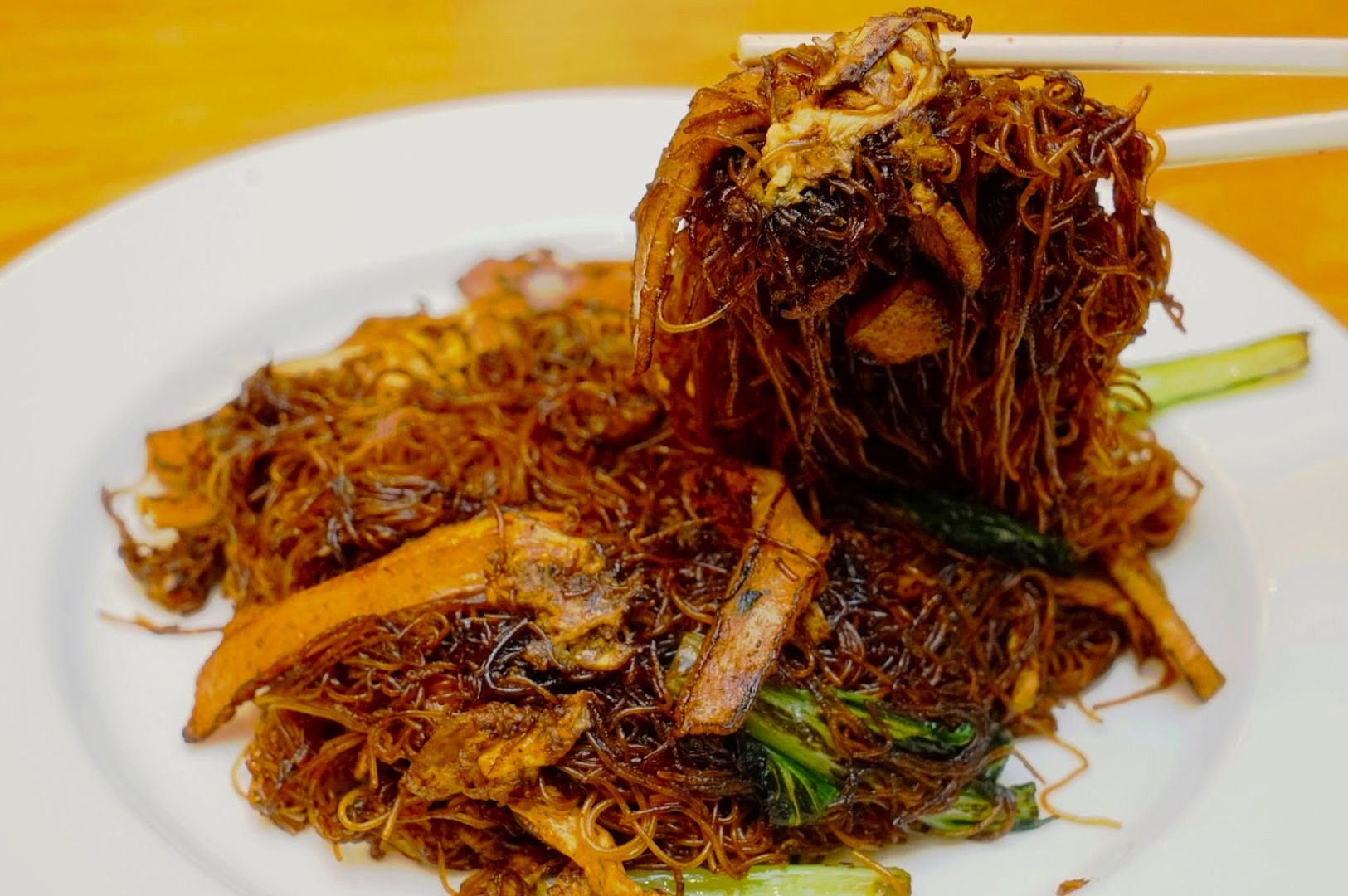
Bee hoon, or rice noodles, are a versatile staple in Singapore food, appearing in many traditional dishes that highlight the city’s rich culinary heritage. Often served stir fried with seafood and vegetables or in comforting soups with fish balls, tofu puffs, and minced pork, bee hoon represents the vibrant street food culture that contrasts with the luxury of foie gras.
In some innovative Singaporean kitchens, chefs creatively incorporate elements like coconut milk or coconut cream—common in Malay influences dishes—to add richness and depth, paralleling the indulgent texture of foie gras. This blend of humble rice noodles and luxurious foie gras exemplifies the fusion and diversity that define Singapore’s gastronomic scene.
Conclusion: Foie Gras Singapore as a Symbol of Culinary Precision and Cultural Fusion
Ultimately, foie gras Singapore is more than just a luxury ingredient; it is a symbol of the city’s culinary precision, cultural fusion, and respect for balance. From the bustling airport road food centre to the refined dining rooms of the Raffles Hotel, foie gras challenges chefs to exercise restraint and creativity. It invites diners to savor a moment of indulgence that is thoughtfully crafted, deeply rooted in the traditions of Southeast Asia, and elevated by the artistry of Singapore’s diverse food culture.
For those seeking to indulge in this exquisite delicacy and explore the finest in Singapore cuisine, Luxury Dining offers a curated guide to the best experiences available.
We invite you to continue your culinary journey with us. To discover more about Singapore’s rich food culture and other gastronomic delights, click here to read another insightful article. Thank you for joining Luxury Dining in celebrating the art and discipline behind foie gras Singapore.