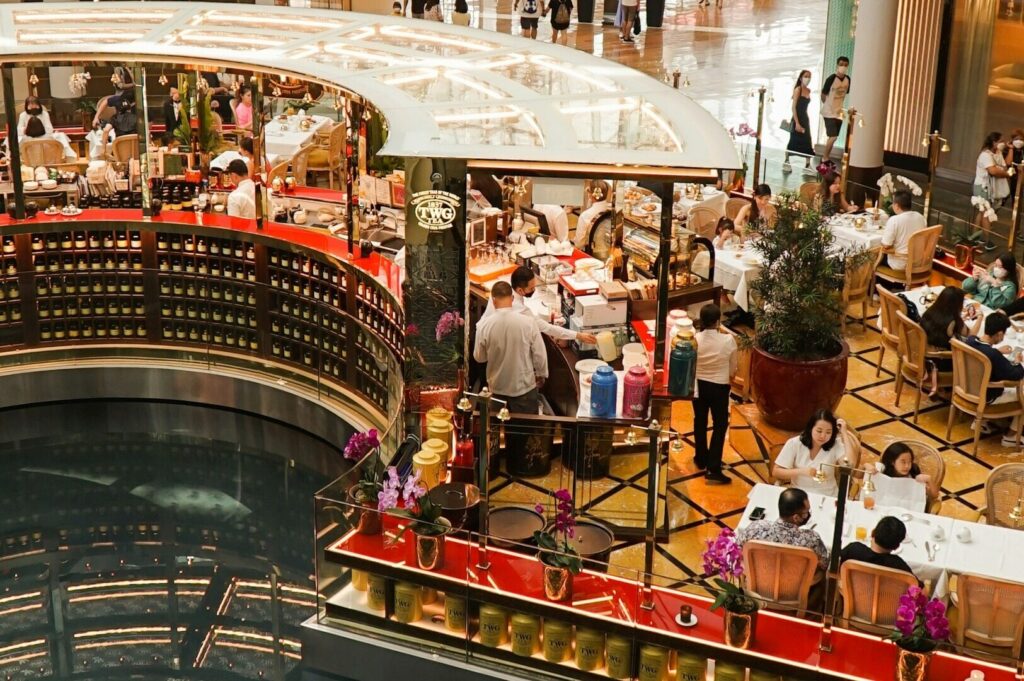
Introduction
Is there any other city on Earth that takes food as seriously as Singapore? From the sizzle of satay on an open grill to the hushed elegance of Michelin-starred venues, the Lion City is undeniably a global gastronomic capital. For locals and travelers alike, dining out in Singapore is more than just a necessity; it is a national pastime, a cultural exploration, and a way of life. But with such a staggering variety of options, the landscape can feel overwhelming to the uninitiated.
You might find yourself wondering exactly how many restaurants in Singapore are waiting to be discovered. The answer reveals a dense, competitive, and incredibly diverse ecosystem that caters to every palate and budget. This article dives deep into the statistics, culture, and trends that define this food paradise.
We will break down the numbers behind the industry and explore the rich multicultural heritage on your plate. We also cover the latest trends shaping the future of food and provide practical advice to enhance your culinary adventures. Whether you are a resident looking for a new haunt or a visitor ready to feast, this guide covers everything you need to know about the vibrant reality of dining out in Singapore.
How Many Restaurants in Singapore? A Look at the Numbers
To truly appreciate the scale of the local food scene, you first need to understand the sheer volume of establishments crammed into this island nation. As of 2022, there were nearly 30,000 food establishments operating across Singapore. This includes everything from high-end restaurants and casual eateries to the ubiquitous hawker centres and food courts that form the backbone of everyday dining.
The corporate regulatory authority reports steady growth in the restaurant industry, with a high turnover of eateries reflecting the competitive nature of the market. With a population of roughly 5.9 million, there is approximately one food establishment for every 200 people. This density fosters fierce competition among restaurant owners, driving innovation and maintaining high standards of quality.
Categories of Dining Establishments
Singapore’s food ecosystem is diverse and includes:
Hawker Centres and Hawker Stalls: Over 100 hawker centres house nearly 6,000 individual stalls, offering affordable, delicious food like char kway teow, roti prata, and curry laksa.
Restaurants and Cafes: Thousands of full-service Singapore restaurants cater to various tastes, from casual dining to Michelin-starred fine dining.
Quick Service Restaurants (QSR): Fast food chains and grab-and-go kiosks serve the busy workforce, often integrating with modern food delivery services.
Food Courts: Often found in malls and business districts, food courts provide a convenient mix of local and international dishes.
This vast variety ensures that dining out in Singapore is accessible and exciting, whether you want a quick bite or a leisurely meal.
Hainanese Chicken Rice: Singapore’s Famous Dish
No discussion about Singapore’s culinary scene is complete without mentioning hainanese chicken rice, often called the country’s national dish. This simple yet flavorful dish consists of poached chicken served with fragrant rice cooked in chicken stock and fat. Accompanied by chili sauce, soy sauce, and sometimes white pepper, it is a staple loved by many Singaporeans.
The dish is available everywhere from hawker stalls to upscale restaurants. Notable places include the famous Maxwell Food Centre, where long queues often form for this beloved meal. The dish’s popularity reflects Singapore’s ability to elevate humble ingredients into delicious food that resonates with locals and tourists alike.
The Rich Variety of Chicken Rice and Other Iconic Dishes
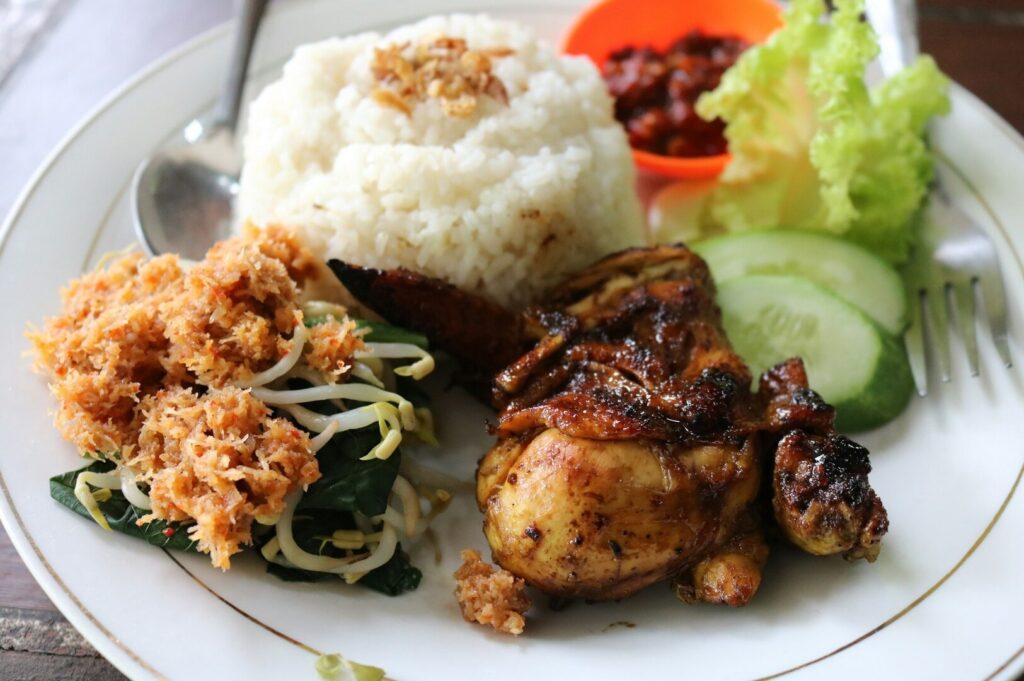
While hainanese chicken rice is iconic, Singapore’s food scene offers many variations and other classic dishes:
Bak Kut Teh: A hearty pork rib soup simmered with herbs and spices, often enjoyed with rice or noodles.
Nasi Lemak: A Malay dish featuring rice cooked in coconut milk and wrapped in a pandan leaf, served with sambal, fried anchovies, peanuts, and eggs.
Chili Crab: Another famous dish, featuring mud crabs cooked in a tangy, slightly spicy thick sauce. It is often enjoyed with fried mantou buns to soak up the sauce.
Fried Chicken: Deep-fried and crispy, often served with bold flavors and a side of lime juice or chili dips.
Roti Prata: A flaky, pan-fried flatbread served with curry sauce, popular for breakfast or as a snack.
Char Kway Teow: Stir-fried flat rice noodles with egg, Chinese sausage, prawns, and bean sprouts.
These dishes showcase the multicultural influences shaping Singapore’s dining landscape.
Hawker Centres and Best Hawker Stalls: The Heart of Everyday Dining
Hawker centres are the lifeblood of Singapore’s food culture. These open-air complexes house numerous hawker stalls selling affordable meals that are often considered some of the best Singapore restaurants by locals. The UNESCO recognition of hawker culture highlights its importance.
Popular hawker centres include Maxwell Food Centre, Jalan Besar, and Little India. Here, you can find best hawker stalls serving everything from soft boiled eggs with kaya toast to robust bowls of curry laksa. The atmosphere is casual, the prices low, and the food consistently delicious.
Long queues at stalls like Hawker Chan, the world’s first Michelin-starred hawker stall, attest to the quality and popularity of these humble eateries.
Food Delivery: Changing Consumer Behavior
The rise of food delivery services has transformed how Singaporeans eat. The pandemic accelerated the growth of delivery-only kitchens, also known as ghost kitchens, which operate without a physical dining space. This shift caters to busy urban lifestyles and complements the existing food courts and hawker centres.
Despite this, the demand for authentic street food and communal dining experiences remains strong. However, consumer behavior now includes a blend of eating out and ordering in, supported by technology and efficient logistics.
Dining Experience: From Casual to Michelin Star
Singapore offers a wide spectrum of dining experiences:
Casual Dining: Neighborhood eateries in Holland Village and Little India provide bold flavors in relaxed settings, perfect for everyday meals.
Fine Dining: The city boasts numerous Michelin star restaurants, including those specializing in Peranakan cuisine and Japanese omakase. For travelers and locals seeking something more exclusive, the evolving landscape of luxury dining in Singapore showcases innovative tasting menus, chef’s table concepts, and elevated gastronomic experiences that highlight the city’s culinary excellence.
Bars and Cafes: From craft cocktail lounges in Marina Bay to cozy cafes serving ya kun kaya toast, the city caters to diverse tastes.
The dining scene balances tradition and innovation, offering something for every palate.
Economic Impact and Challenges in the Restaurant Industry
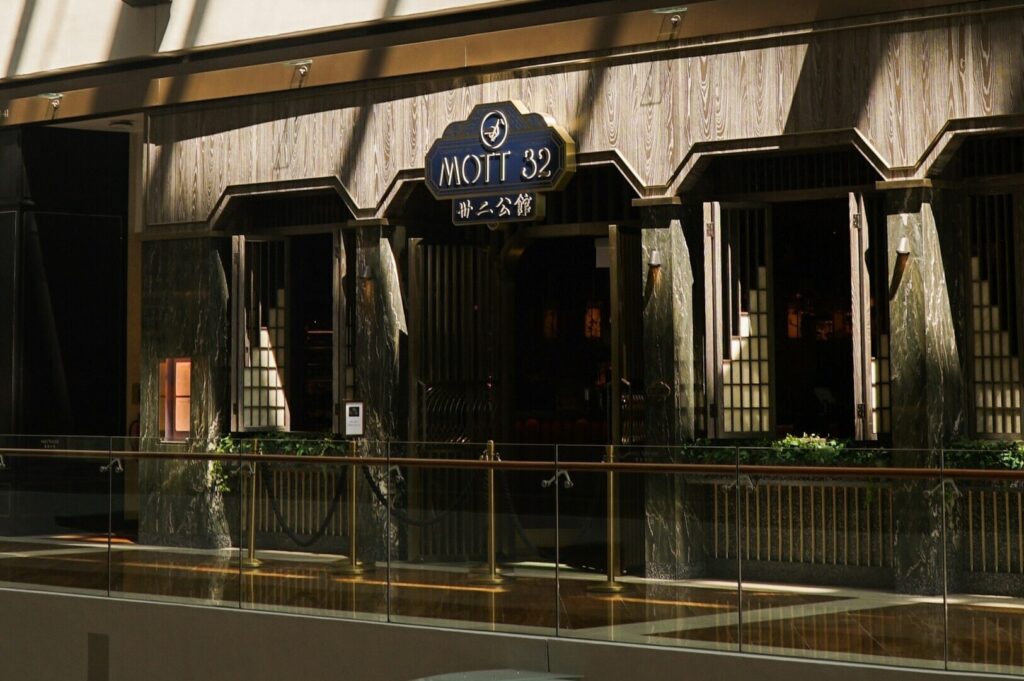
The restaurant industry is a significant contributor to Singapore’s economy, generating substantial operating revenue and employment. However, it faces challenges such as labour shortages, rising costs, and competition fueled by a strong Singapore dollar that encourages dining abroad in places like Johor Bahru and other parts of Southeast Asia.
Japan Foods Holding and other major players continue to influence the market, while local businesses adapt by focusing on unique offerings and customer engagement.
Practical Tips for Your Next Visit
Visit popular hawker centres like Maxwell Food Centre early to avoid long queues.
Try classic dishes such as kaya toast with soft boiled eggs, fried chicken, and of course, chili crab.
Use food delivery apps for convenience but don’t miss the vibrant atmosphere of street food stalls.
For a more upscale dining experience, explore restaurants in Orchard Road and Marina Bay.
Consider visiting during food festivals or events to sample a wide array of delicious food.
Singapore’s food scene is ever-evolving, but its commitment to quality and diversity remains constant. Whether you’re a casual diner or a food connoisseur, the island offers endless opportunities to explore and enjoy.
From hawker stalls to high-end restaurants, the question of how many restaurants in Singapore exist is answered not just in numbers but in the richness of the food culture itself. So next time you ask where to eat or what to try, remember that every corner of Singapore has a story and a dish waiting to delight your palate.
For those seeking an elevated dining experience, explore our comprehensive guide on luxury culinary experiences in Singapore.