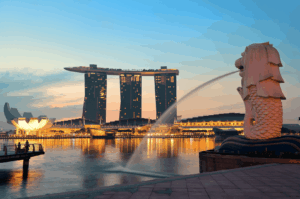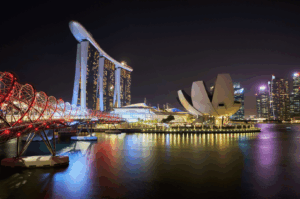
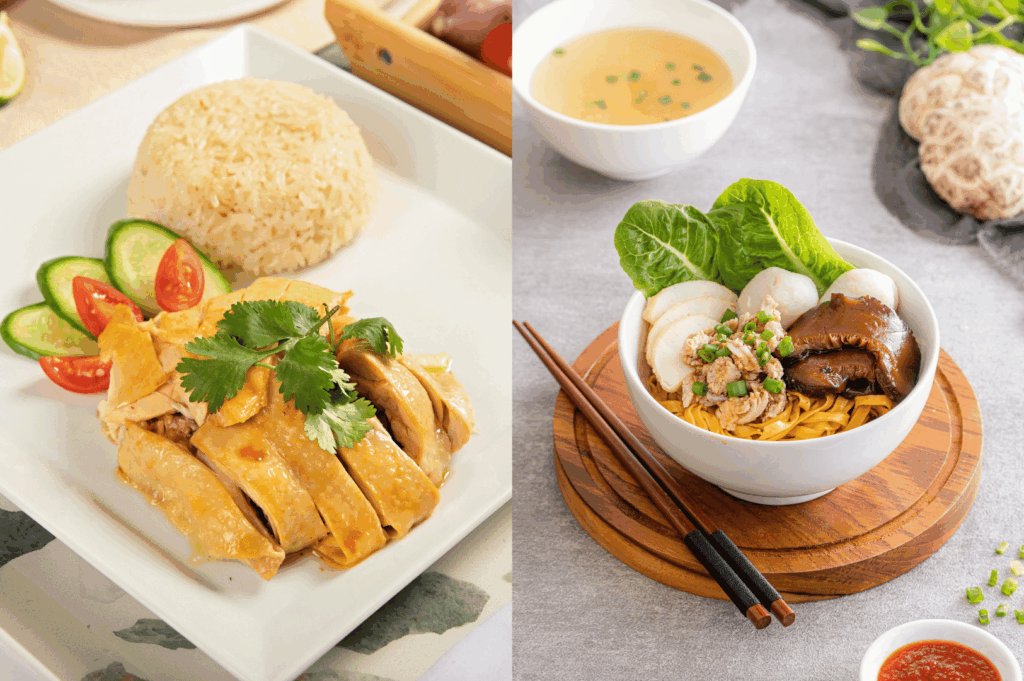
In Singapore, the question “Have you eaten?” is as common as “How are you?” — and that simple greeting says everything about the city’s deep love affair with food. I remember my first visit to a hawker center: the sizzling woks, the fragrant hawker food, the smoky satay grilling beside bubbling pots of chilli crab and noodles. I ate a plate of Hainanese chicken rice and found the experience of eating among locals both exciting and delicious. Over the years, I have visited several of Singapore’s hawker centers, each offering its own unique flavors and atmosphere. It felt like standing in the beating heart of Singapore’s hawker centers, where the air itself is seasoned with spice, soy, and history.
It was a seismic moment. The Michelin Guide Singapore recognized that world-class flavour and culinary artistry could be found not only in fine dining establishments, but also in a bowl of Bak Chor Mee or Hainanese chicken rice served for just a few dollars.
Michelin Guide Singapore: From France to the Streets of Asia
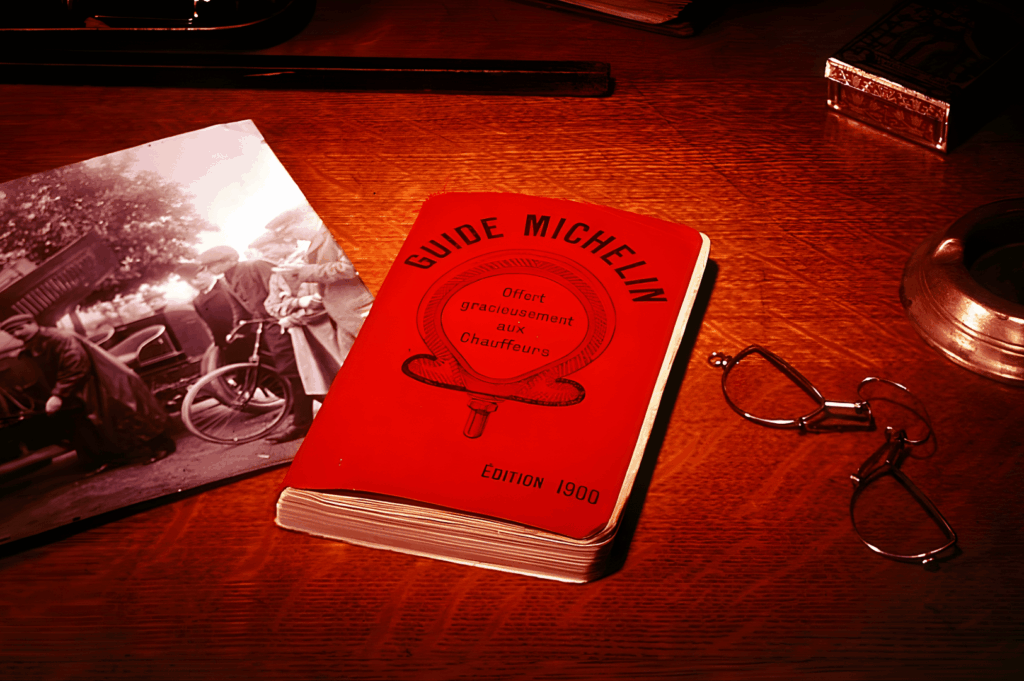
The Michelin Guide began over a century ago in France, created by the tire company to inspire people to travel more — and, of course, wear out their tires faster. The red book included food and hotel recommendations, evolving into the world’s most respected culinary authority.
For decades, the guide focused on Europe. Then, as global travel expanded, Michelin looked eastward. After debuting in Tokyo, the next must visit spot was clear — Singapore, a city that celebrates life through its food. With influences from China, India, Malaysia, and beyond, Singapore was a melting pot of rich, flavorful, and spicy traditions. Singapore’s vibrant food culture, renowned for its authentic hawker centers and diverse culinary experiences, has become an iconic part of the country’s cultural identity.
The first Michelin Singapore edition launched in July 2016, and the impact was immediate — both for locals and tourists eager to visit Singapore and discover its extraordinary hawker culture.
Hawker Center Heritage: The Soul of Singapore’s Food Scene
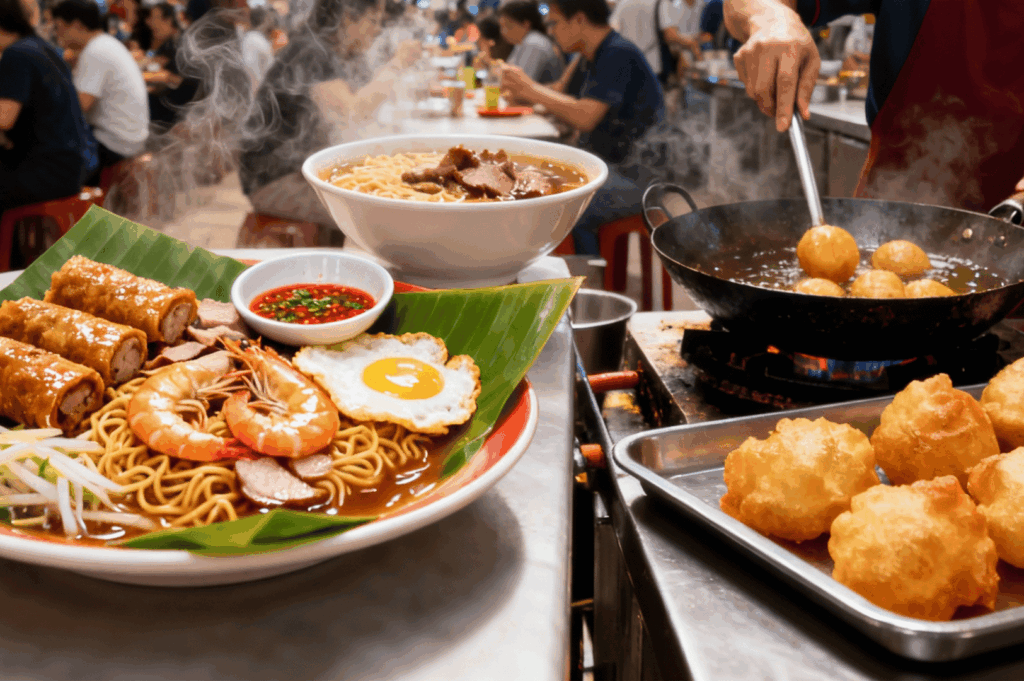
To understand Michelin Singapore, you must first understand the hawker center. These bustling open air food courts are the true dining rooms of the city — a place where friends, families, and strangers share tables, swap tips, and wait patiently in line for the dish they crave. Singapore’s hawker centers are not only essential for affordable and high-quality local dishes, but also serve as vibrant social hubs that embody the city’s unique food culture and heritage.
In 2020, UNESCO added Singapore’s hawker culture to its Intangible Cultural Heritage list — recognition of its social and cultural significance. Whether you’re at Newton Food Centre, Tekka Centre, Lau Pa Sat, or Tanjong Pagar, you’ll find stalls serving everything from char kway teow to satay and Hainanese chicken rice, each representing generations of passion and craft.
So when the Michelin Guide awarded stars to two hawker stalls, it wasn’t just news — it was history.
The Original Hawker Stars: Michelin’s Love for Singapore’s Hawker Food
Hill Street Tai Hwa Pork Noodle, a humble hawker stall near the Central Business District, received one star for its perfectly balanced bowl of Bak Chor Mee — springy noodles, tender pork, crispy fish, and a punchy vinegar–chili mix. The queue, already long, became legendary.
Then came Hong Kong Soya Sauce Chicken Rice and Noodle — better known as Hawker Chan. Chef Chan Hon Meng’s silky, flavorful soya chicken earned him global fame as the world’s first Michelin starred street food vendor. For less than the extra cost of a drink, diners could enjoy the cheapest Michelin-starred meal in the world.
The Michelin Guide Singapore changed their lives. For Tai Hwa, it meant preserving quality while feeding massive crowds. For Hawker Chan, it meant global recognition — with new outlets opening across Asia and beyond.
As Anthony Bourdain once said after visiting Singapore, “This is where you eat some of the best food on earth — at a plastic table, under a fan.” Michelin had simply confirmed what Singaporeans already knew.
From Chilli Crab to Char Kway Teow: Michelin’s Celebration of Local Classics
Beyond the hawker heroes, Michelin’s inspectors also highlighted iconic Singaporean dishes that define the national palate — chilli crab, char kway teow, Hainanese chicken rice, and satay among them. For those with a sweet tooth, hawker centers also offer a tempting variety of dessert options, from pancakes and sweet soups to rice ball desserts, making for a satisfying end to any meal.
At Lau Pa Sat, one of the oldest hawker centers, the famous Satay Street comes alive at night with smoke, sizzling skewers, and laughter. The best satay vendors turn simple ingredients — marinated meat, shrimp, and crushed peanuts — into smoky, savory, and slightly sweet perfection. The experience is complemented by a wide range of drinks, including soft drinks, fresh juices, and local specialties like kopi and teh tarik, which are an integral part of the hawker centre food scene.
Across Chinatown, Newton Food Centre, and Tekka Centre, visitors can discover other stalls that have earned Michelin Bib Gourmand recognition — a mark of excellent value. Whether you prefer Indian food rich with spice, Malay satay dripping with peanut sauce, or Chinese-style noodles with prawns, you’ll find so many things to eat that even locals never tire of exploring, and the joy of eating your way through the different offerings is a highlight of any visit.
Fine Dining in the City: Michelin-Starred Restaurants and Culinary Innovation
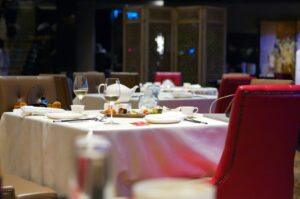
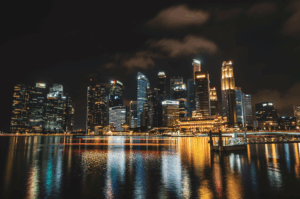
While the hawker stars grabbed the world’s attention, Michelin Singapore also celebrated the city’s fine dining renaissance. Within glittering towers around Marina Bay Sands, Tanjong Pagar, and Collyer Quay, chefs are redefining modern gastronomy with precision and creativity. Some diners choose to use a car or ride-hailing services to conveniently reach these fine dining destinations, especially when they are farther away or less accessible by public transit.
Odette — Artistry and Emotion
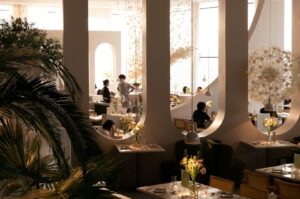
At the National Gallery Singapore, Odette remains a temple of Michelin starred excellence. Chef Julien Royer’s cuisine blends French finesse with heartfelt storytelling, transforming seasonal produce into art. Dining here is not just a meal but a journey through texture, color, and flavour.
Les Amis — The Grande Dame of Fine Dining
Located near Orchard Road, Les Amis continues to set the gold standard for French haute cuisine in Asia. With one of the region’s most impressive wine lists and meticulously plated dishes, it exemplifies timeless elegance — a true Michelin starred restaurant experience.
Labyrinth — The Modern Singaporean Revolution
Chef LG Han’s Labyrinth, near Marina Bay Sands, reimagines hawker food with avant-garde artistry. His Hainanese chicken rice arrives deconstructed, while chilli crab ice cream challenges expectations. It’s playful, nostalgic, and deeply Singaporean — proof that the line between street food vendors and fine dining is now beautifully blurred.
Food Tours and Guides: Navigating Singapore’s Michelin Experience
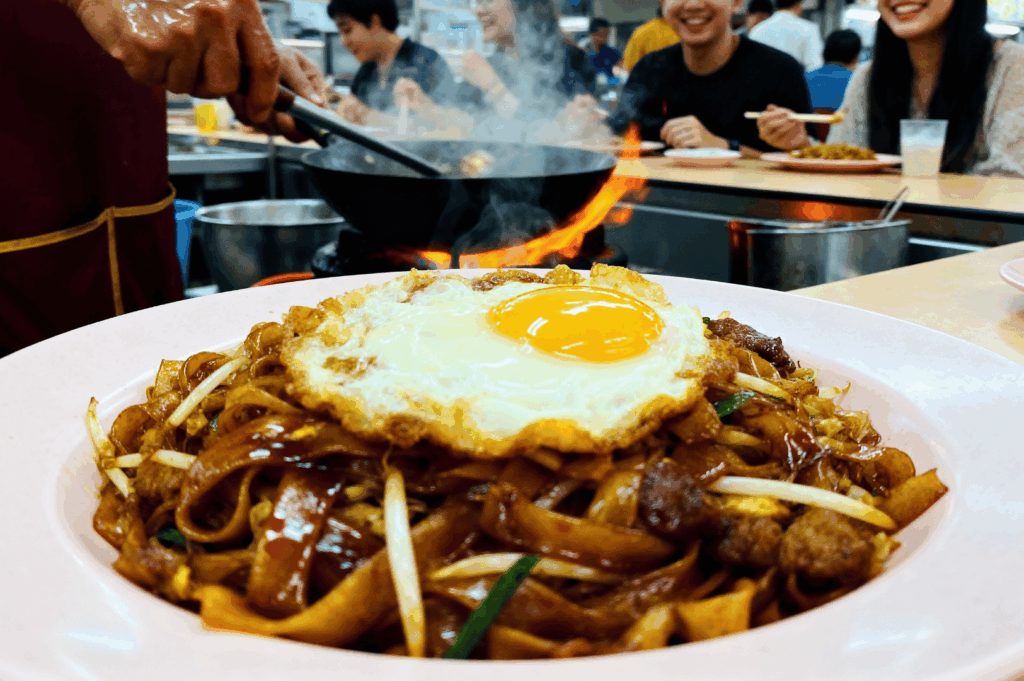
With so many stalls, flavors, and hidden gems to discover, navigating Singapore’s hawker food scene can feel overwhelming—even for seasoned eaters. That’s where guided food tours come in, offering a delicious shortcut to the very best the city has to offer. Led by passionate local guides, these tours take you on a curated journey through Singapore’s hawker culture, from the iconic Satay Street at Lau Pa Sat to tucked-away stalls serving up Michelin-starred specialties.
On a typical tour, you might start your adventure at Lau Pa Sat, sampling smoky satay skewers hot off the grill, before moving on to savor Indian food bursting with spice and color. Along the way, you’ll discover the stories behind each dish, meet the hawker heroes who keep these traditions alive, and learn the secrets of what makes Singapore’s food scene so unique. Many tours also offer exclusive experiences, like peeking behind the scenes in busy kitchens or chatting with chefs about their craft.
Hawker Culture Meets Luxury: A City That Eats Without Borders
There’s nowhere else in the world where you can have char kway teow for breakfast and a Michelin starred degustation dinner at night — all within a few blocks. Singapore has created a culinary ecosystem that celebrates both the wet market and the wine glass, the hawker center and the hotel dining room. Singapore’s unique approach to food blends local authenticity, vibrant flavors, and a rich cultural heritage, making its dining scene truly distinctive.
Even pop culture has joined the feast. Crazy Rich Asians famously featured a Lau Pa Satscene, introducing the busy, packed, and utterly delicious hawker culture to a global audience. The film reminded tourists that Singapore’s most stalls aren’t just for locals — they’re essential stops for anyone who wants to truly taste the city.
This food democracy is what makes the Michelin Guide Singapore unique. It’s not about exclusivity; it’s about excellence, wherever it lives — from a modest hawker stall in Lau Pa Sat to an opulent dining room at Marina Bay Sands.
Preserving the Legacy, Inspiring the Future
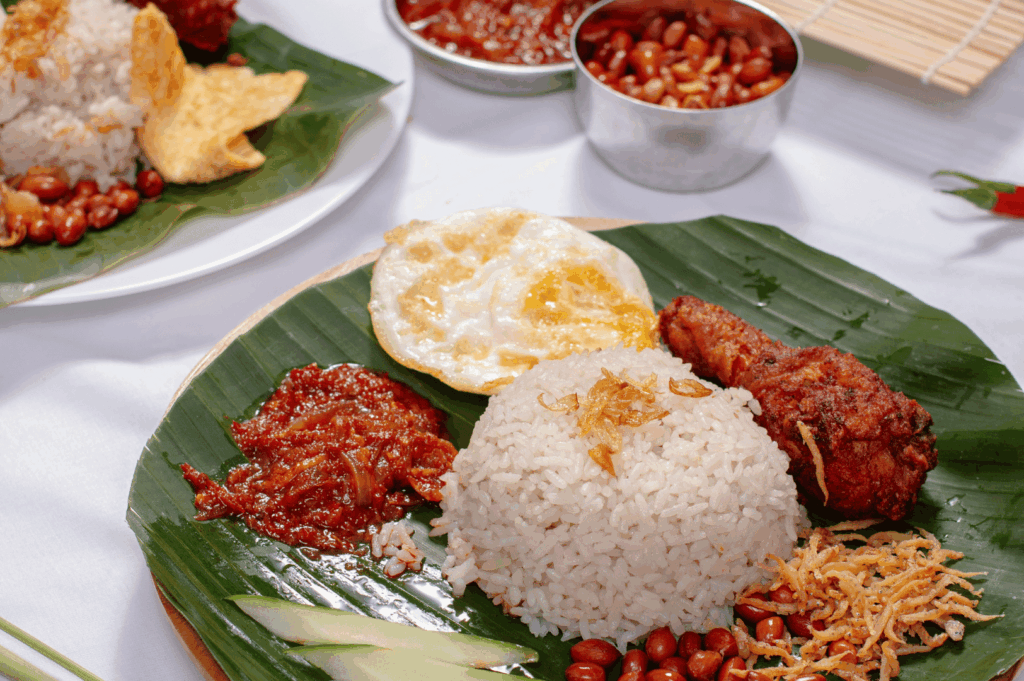
The Michelin Guide’s recognition has helped preserve recipes and traditions that might otherwise have been forgotten. It’s inspired younger Singaporeans to join the hawker trade, keeping beloved flavors alive. Yet, it has also sparked debate — from the rising rents faced by hawker stalls, to questions about how Michelin evaluates Asian food traditions rooted in family and instinct rather than formality.
Still, the rewards far outweigh the challenges. The guide has given Singapore another good reason to celebrate its identity as a global culinary powerhouse — one where a beer and satay dinner can feel just as special as a white-tablecloth tasting menu.
Conclusion: Eat Your Way Through Michelin Singapore
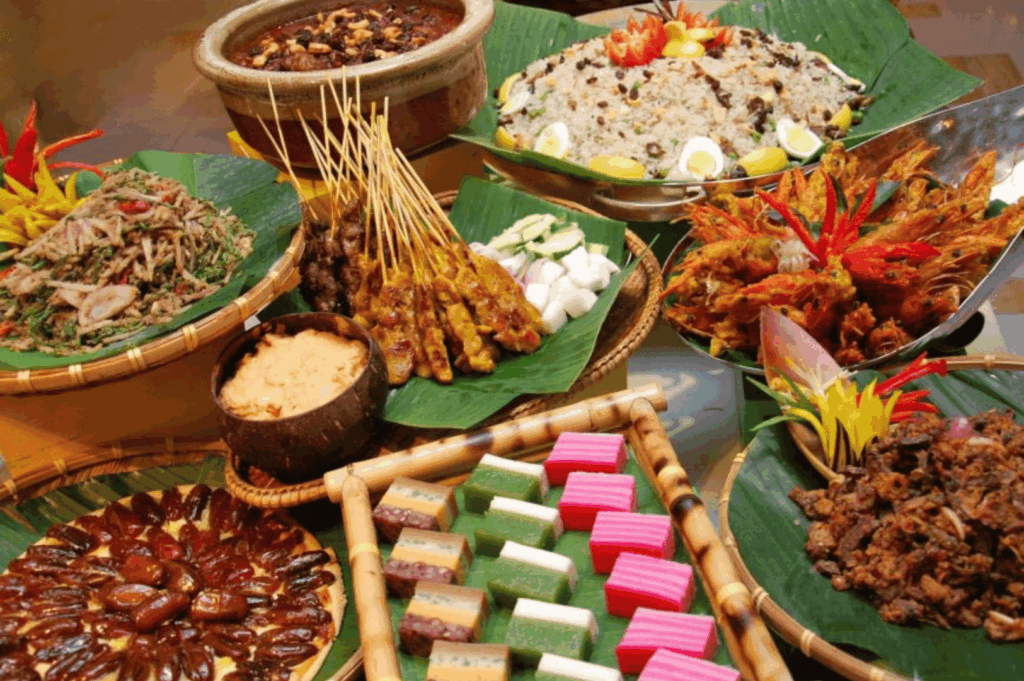
The story of Michelin Singapore is one of balance — between rich heritage and bold innovation, spicy street food and refined artistry. From hawker food at Tekka Centre to a Michelin starred restaurant at Marina Bay Sands, every dish tells a story of passion and pride.
So, on your next trip, forget the formalities. Bring friends, follow your nose through the wet markets and hawker centers, and discover why this island nation lives to eat. Whether you’re queuing for a bowl of noodles or toasting with a glass of wine over the bay, you’ll find that in Singapore, every bite — from hawker stall to haute cuisine — is a journey worth the wait.