Singapore’s dining landscape is a dazzling tapestry of global cuisines, a place where a new fine dining concept seems to open its doors every other week. In this vibrant market, Japanese cuisine holds a special place, with michelin omakase singapore experiences becoming some of the most sought-after and often misunderstood culinary journeys. Many japanese restaurants offer beautifully presented sushi platters in elegant settings, labeling it fine dining. But what separates these enjoyable meals from a true Michelin-starred omakase dining experience?
At the heart of this tradition is the chef’s table: an exclusive, intimate setting where guests enjoy a bespoke omakase menu curated directly by the chef. This format elevates the sense of privacy and connection, making each meal a truly exceptional and personalized culinary journey.
The Michelin Lens: What Inspectors Truly Seek in a Michelin Star Omakase Restaurant
When a Michelin inspector sits down for an omakase dining experience, they are looking beyond just the taste of the sushi. They are evaluating a holistic performance built on several pillars. This is where the gap between good food and culinary excellence becomes a chasm. The exclusivity and standards expected of a Michelin starred restaurant set the benchmark for what diners can anticipate at this level.
The ingredients and service are scrutinized for authenticity and quality. Omakase dining emphasizes the use of premium ingredients, with fresh, high-quality components often sourced directly from Japan. This dedication to premium ingredients is a hallmark of the omakase tradition and a key factor in achieving Michelin recognition.
Omakase dining is often seen as a high-end experience due to its premium ingredients and personalized service.
Precision, Consistency, and Pacing in the Omakase Meal
A Michelin-starred omakase chef operates with the precision of a watchmaker. Every single element is obsessively controlled, and the menu is serve based, guided by the availability of the freshest seasonal ingredients.
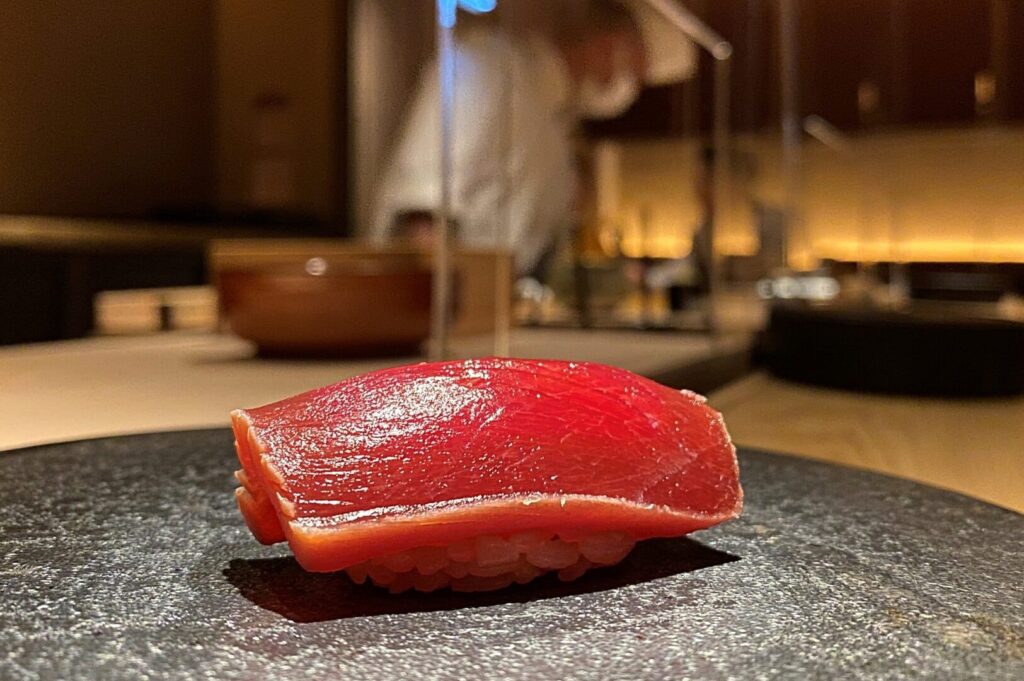
Shari (Sushi Rice): The temperature of the rice is critical, often served body temperature to meld perfectly with the premium fish. The seasoning, a proprietary blend of vinegars, salt, and sugar, is exact.
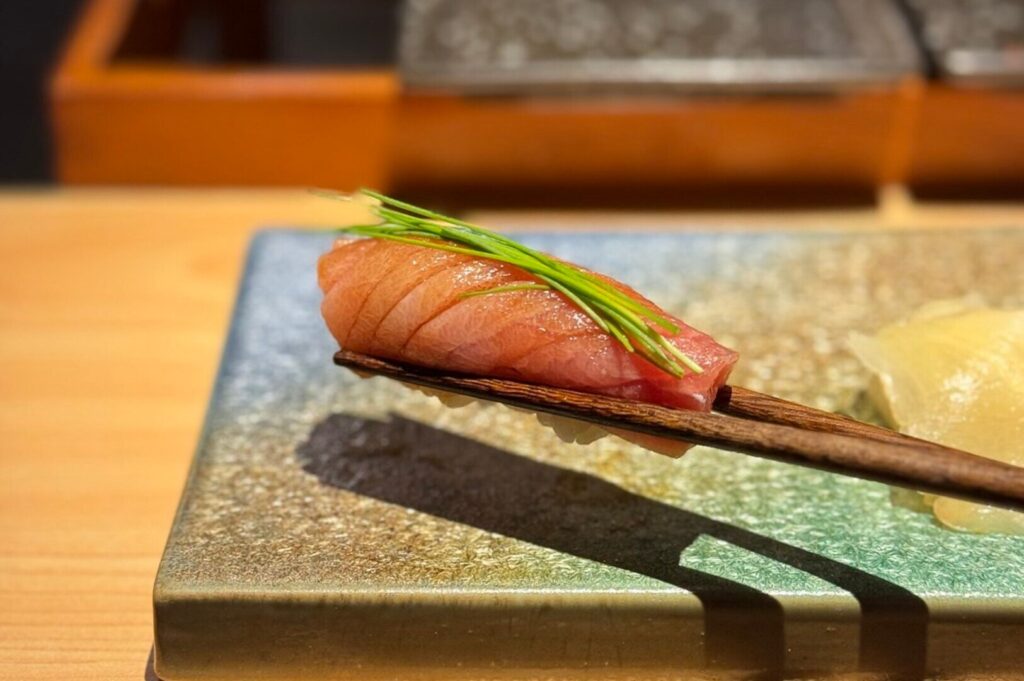
Neta (Toppings): The fish is not just fresh; it is aged, cured, or scored with meticulous care to enhance its texture and flavor. The thickness of the slice is determined by the cut of fish and the specific piece being served. Signature dishes often include luxurious ingredients like fatty tuna belly, sea urchin (uni), marinated botan shrimp, monkfish liver, sashimi, and salmon roe, each selected for their exceptional quality and integral role in the omakase meal.
Pacing: The rhythm of the meal is a crucial part of the experience. A master chef will control the timing between each piece, creating a narrative flow. There is no long wait, nor is there a sense of being rushed. The meal unfolds at a cadence that feels both natural and intentional.
The omakase experience is often characterized by a personalized menu based on the freshest ingredients available. This unwavering consistency, from the first piece of nigiri sushi to the last, is a hallmark that inspectors prize. It demonstrates a mastery that transcends just having access to the finest ingredients. Restaurants like Sushi Sakuta utilize seasonal menus that change based on the freshest catches and ingredients.
Trust and the Sanctity of the Sushi Masa Counter
The sushi counter is the stage, and the chef is the lead actor. This intimate setting is non-negotiable for a top-tier omakase. It fosters a direct line of communication and trust between guest and chef. You are not just a customer; you are an audience member and a participant. The chef explains the origin of the fish, the aging process, or the reason for a particular seasoning, such as the careful use of soy sauce or the balance of sweet taste elements in each dish.
This is why some of the most sought-after michelin omakase singapore experiences are found in tiny, eight-seat establishments. The small scale is not for manufactured exclusivity; it is a functional necessity. It allows the chef to maintain absolute control over the environment and to build a personal connection with every guest. This level of chef-guest interaction is a key differentiator that the Michelin Guide Singapore recognizes as integral to the omakase tradition.
Why Singapore is a Global Hub for Michelin-Starred Japanese Dining
It may seem curious that a city outside of Japan has become such a prominent stage for Michelin-level omakase. However, Singapore’s unique characteristics make it the perfect incubator. The city’s status as a global logistics hub means chefs have unparalleled access to the freshest seasonal ingredients, often flown in daily from Tokyo’s Toyosu Market, a world-renowned source for premium seafood.
Furthermore, Singaporean diners are sophisticated, well-traveled, and possess a deep appreciation for Japanese food and culture. They understand the nuances of the experience and are willing to place their trust in the hands of a master chef. This educated audience has created a fervent market for premium omakase, attracting world-class chefs who see Singapore as a place where they can practice their art without compromise. The quest for the best omakase restaurant in Singapore has become a serious culinary pursuit for locals and visitors alike, with options ranging from one Michelin star establishments to two stars and even three star restaurants.
Reservations are highly recommended for Michelin-starred establishments due to limited seating capacities, often accommodating only 8 to 16 guests. When planning a visit to these exclusive restaurants, be sure to check their opening hours to secure your preferred dining experience.
A Contrast in Experiences: Fine Dining Restaurant vs. Michelin-Starred Omakase
To put it plainly, the differences can be summarized as follows:
Fine Dining Sushi
Often features a menu or set platters.
The chef works in the kitchen, separate from the guest.
Focus is on the final, plated product.
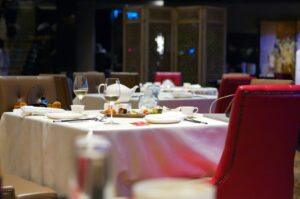
Can be served in a larger, more conventional dining room or private dining room for exclusivity.
An excellent culinary experience.
Michelin-Starred Omakase
No menu; the experience is entirely chef-directed.
Takes place at a sushi counter with direct chef interaction.
Sushi omakase is a featured specialty, highlighting the personalized and high-end Japanese culinary experience.
Focus is on the process, performance, and personalization.
Requires a small, intimate setting for control and direct interaction.
A holistic and theatrical culinary journey.
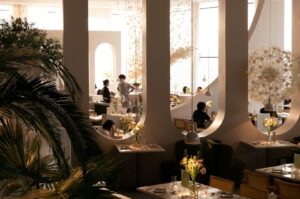
Michelin omakase restaurants are renowned for their elegant atmosphere, offering a refined and sophisticated setting that enhances the fine dining experience. Each omakase restaurant features a unique concept that shapes the dining experience, creating a distinctive atmosphere.
For those seeking the best omakase experiences in Singapore, consulting an ultimate guide can provide comprehensive insights and recommendations.
Conclusion: Creating Lasting Memories Through the Ultimate Omakase Dining Experience
Understanding the distinction between fine dining sushi and Michelin-standard omakase is about more than just culinary pedantry. It is about appreciating the dedication, philosophy, and artistry that elevate a meal into a memorable performance. It encourages a shift in mindset from being a consumer to being a participant in a centuries-old tradition of japanese dining.
When you next consider an omakase evening at a fine dining restaurant like Sushi Masa, look beyond the price and the buzz. Think about the environment, the role of the chef, and the element of trust involved. By approaching the experience with this deeper understanding, you are not just booking a dinner; you are accepting an invitation to witness culinary excellence at the chef’s table. We encourage you to explore Singapore’s remarkable michelin omakase singapore scene with this new perspective, seeking out those intimate counters and private dining rooms where the true spirit of omakase thrives, creating lasting memories for special occasions and quiet corners alike.
For readers seeking a grounded, thoughtful perspective on where to begin, Rubbish Eat Rubbish Grow offers a non-influencer’s guide to Singapore omakase that complements this approach, highlighting experiences shaped by craft rather than hype.