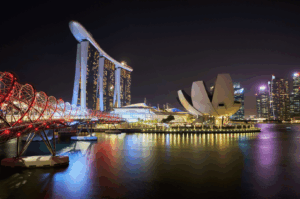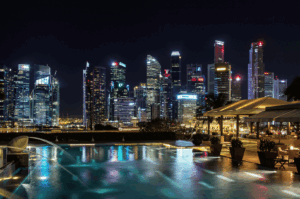
Singapore has become Asia’s premier destination for authentic omakase dining, where the Japanese tradition of entrusting the chef with your meal is elevated to extraordinary levels. The city’s sophisticated culinary scene now features several Michelin starred restaurants offering intimate fine dining, from traditional Edomae sushi counters to innovative Japanese-French fusion.
The 2025 Michelin Guide Singapore brought exciting updates: Sushi Sakuta earned prestigious two star status, while Omakase Stevens debuted with one Michelin star and the coveted Young Chef Award. These milestones affirm Singapore’s status as a global hub for culinary excellence and artistry.
This guide highlights Singapore’s finest Michelin omakase Singapore experiences, showcasing masterful craftsmanship and innovative approaches that blend tradition with modernity. Whether for special occasions or indulgent dining, these restaurants provide unforgettable journeys of taste and discovery.
Singapore’s Premier Michelin-Starred Omakase Restaurants
Singapore hosts six exceptional Michelin starred restaurants specializing in omakase, each with unique interpretations of this revered Japanese dining art. The 2025 Michelin Guide Singapore saw Sushi Sakuta promoted to two stars and Omakase Stevens recognized with one star and the Young Chef Award.
The omakase scene here melds traditional Japanese techniques with Singapore’s multicultural innovation. Venues range from intimate 8-seat counters to larger 16-guest dining rooms, all offering the signature Chef’s Table experience that defines authentic omakase.
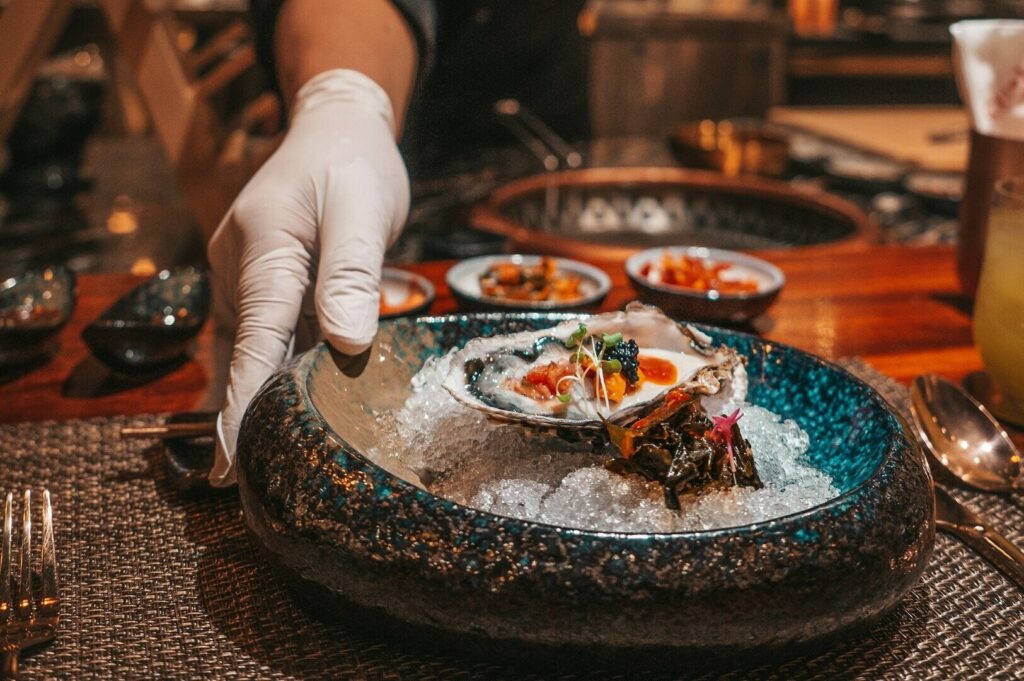
Price points reflect the rarity and quality of ingredients, typically starting at $200-300 per person for one star venues and rising to $500-800+ for two star experiences. Demand is high, with many restaurants maintaining waiting lists due to limited seating and Michelin recognition. These prices are comparable to many of the best tasting menus in Singapore, where premium ingredients and chef-led curation define the overall dining experience.
Two-Star Michelin Omakase Dining Experience
Sushi Sakuta - Edomae Excellence at The Capitol Kempinski Hotel
Chef owner Yoshio Sakuta leads Singapore’s most prestigious omakase experience at this intimate 10-seat counter, now holding two star status since 2025. The elegant dining room features a 200-year-old Yoshino cypress counter, evoking Tokyo’s finest sushi-ya atmosphere.
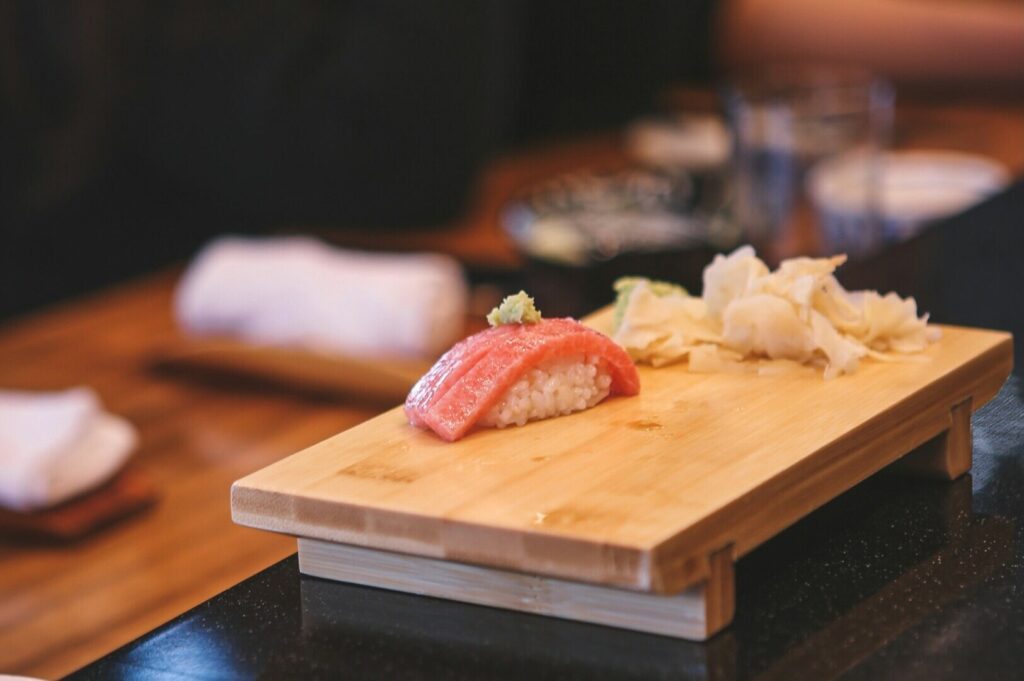
Chef Yoshio’s decades of Edomae training shine through his use of five vinegar blends and two types of seasoned rice, achieving perfect harmony with each fish. The omakase menu changes daily, featuring signature dishes like aged kohada, wild chu-toro, and marinated botan shrimp.
Guests enjoy 20+ courses over 2.5 hours, each sushi piece prepared with masterful knife skills and fish-aging techniques. Dinner starts around $600++ per person, reflecting its standing at the pinnacle of Singapore’s Michelin starred restaurants.
Shoukouwa - Intimate Perfection at One Fullerton
Holding two stars since the Michelin Guide Singapore’s launch, Shoukouwa seats just eight guests per seating, offering ultimate intimacy. The head chef upholds tradition with daily selections of the finest fish from Japan.
Signature dishes include aged tuna, seasonal sea urchin, and rare fish species, showcasing mastery of Edomae techniques and precise seasoning of shari (sushi rice). Omakase menus feature 18-22 courses, with lunch from $320++ and dinner from $480++. Guests who appreciate Shoukouwa’s refined approach often seek out other tasting menu destinations in Singapore that deliver similar emphasis on precision, seasonality, and tradition.
One-Star Michelin Omakase Destinations
Omakase @ Stevens - Modern Innovation at Novotel Singapore
The 2025 Michelin Guide’s standout debut, Omakase @ Stevens, is helmed by Chef Kazuki Arimoto, who earned one Michelin star and the Young Chef Award. Located in Novotel Singapore on Stevens, the 16-seat counter reflects a modern take on omakase dining.
Chef Kazuki blends Japanese tradition with French culinary techniques, creating signature dishes like uni chawanmushi with truffle and sake-simmered abalone. The 6- and 8-course omakase menus range from $250-450++, making Michelin-level quality accessible to more guests.
Waku Ghin - Global Innovation at Marina Bay Sands
Chef Tetsuya Wakuda’s renowned restaurant at Marina Bay Sands offers a unique omakase-style tasting menu blending Japanese techniques with global ingredients. Signature dishes include caviar with uni and Australian wagyu with Japanese seasonings.
The elegant dining room and open kitchen foster an intimate connection between chef and guests. Tasting menus start at $400-500++, presenting a fusion-focused fine dining experience.
Sushi Ichi - Traditional Craft at Singapore Marriott Tang Plaza
Sushi Ichi preserves traditional Edomae standards with Tokyo-trained chefs and a 300-year-old hinoki cypress counter. The omakase menu emphasizes pure fish quality and knife skills, featuring aged fish and seasonal specialties.
Dinner omakase starts around $380++, offering authentic Edomae sushi in an elegant atmosphere.
Hamamoto - Intimate Sushi-Kappo on Tras Street
This 12-seat sushi-kappo blends sushi and kaiseki traditions under Chef Hamamoto. The omakase menu highlights seasonal ingredients, aged fish, and rare seafood, with direct chef interaction.
Dinners range from $380-480++, delivering a refined culinary journey.
The Art of Omakase Experience
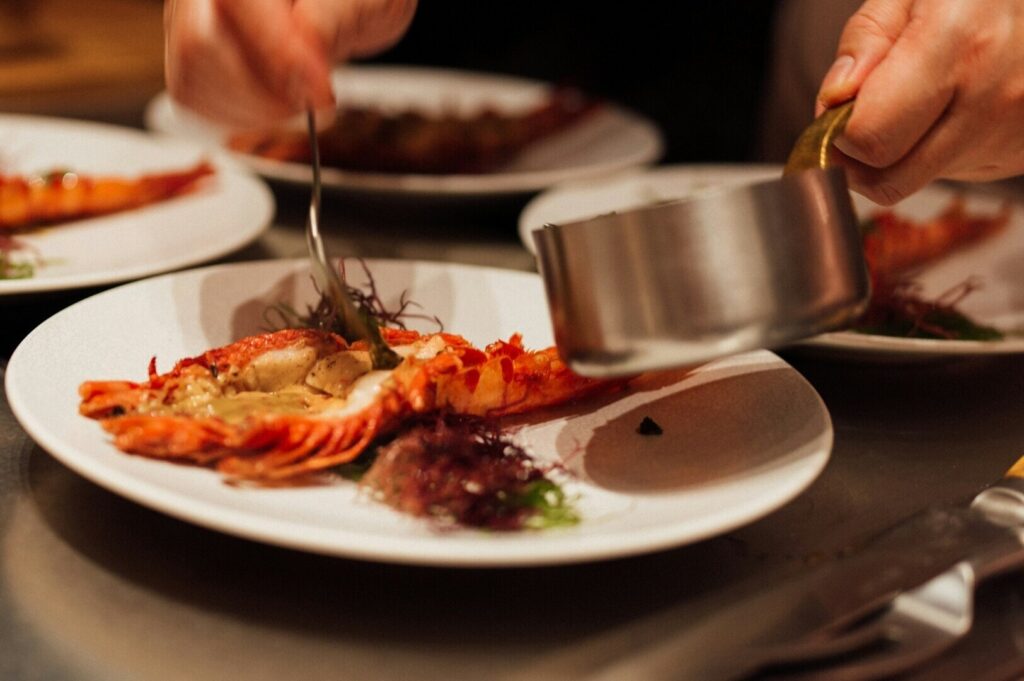
Omakase dining entrusts chefs to craft a seasonal journey, typically lasting 2-3 hours. Singapore’s Michelin starred restaurants elevate this with world-class ingredients and masterful skills.
Menus progress from lighter dishes to premium seafood and aged fish, with counter seating fostering intimate chef-guest connections. Chefs often explain ingredients, preparation, and cultural significance, enriching the dining experience.
Traditional Techniques and Seasonal Ingredients
Master chefs use time-honored methods like Edomae knife work and kaiseki preparations. Seasonal ingredients such as matsutake mushrooms, winter kegani crab, and spring sakura fish ensure ever-changing menus.
Daily market conditions and Japanese seasonal rhythms guide selections, creating unique visits each time.
Chef's Table and Culinary Theatre
The Chef’s Table format allows guests to witness artistry firsthand. Chefs demonstrate skills, share philosophies, and explain aging techniques.
Interaction varies by venue, balancing entertainment with reverence for craft, making each meal a memorable event.
Signature Dishes and Pairings
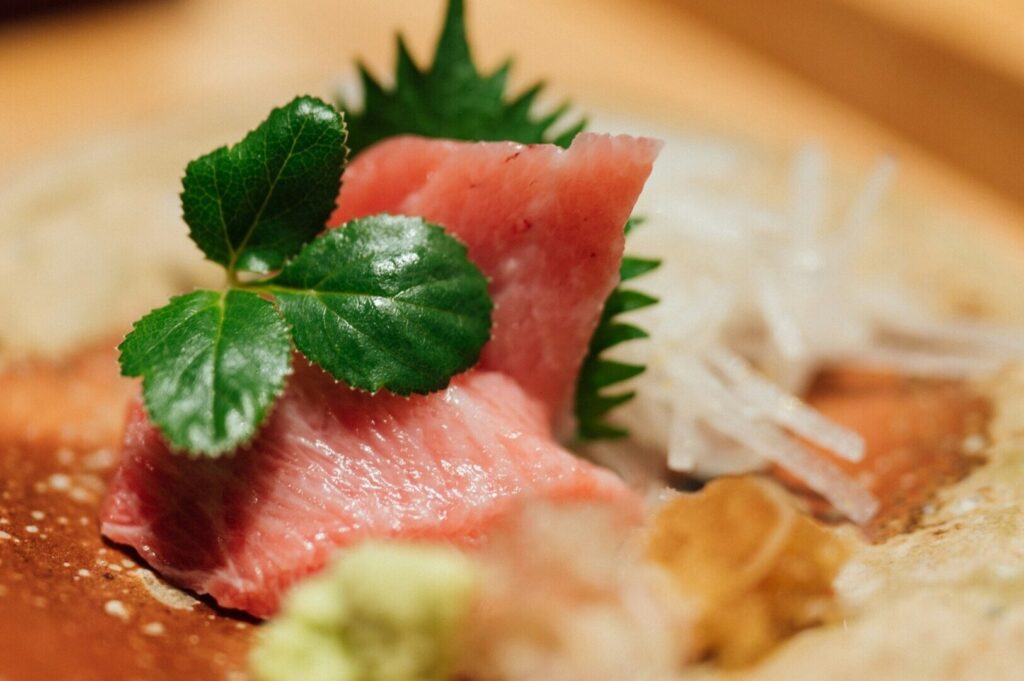
Premium seafood like sea urchin, caviar, spiny lobster, and seasonal fish form the foundation. Aged and marinated preparations showcase chefs’ unique flavour development.
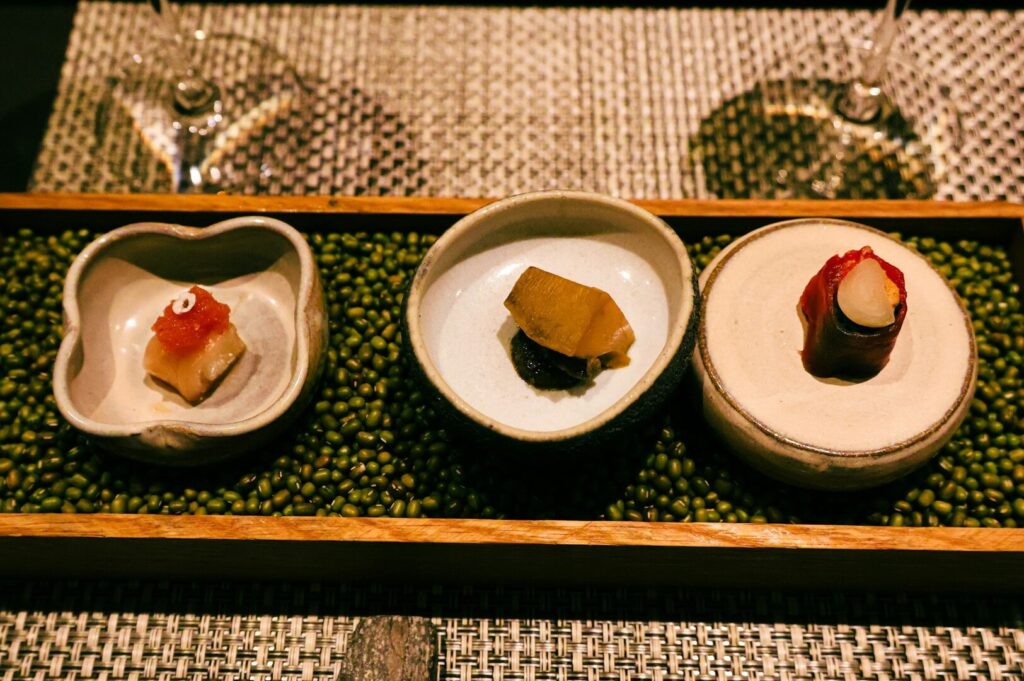
Traditional sake pairings, often featuring rare selections, accompany courses. The setting includes hinoki cypress counters and Japanese ceramics, creating an immersive atmosphere.
Making Reservations at Michelin-Starred Omakase Restaurants
Reservations require advance planning due to limited seating and high demand. Most restaurants have single seating times and require bookings 2-4 weeks ahead.
Direct contact or specialized platforms are common booking methods. Deposits and strict cancellation policies reflect the perishable nature of ingredients.
Booking Tips and Policies
Last seating cancellations can offer last-minute openings. Peak seasons require longer lead times, sometimes 6-8 weeks.
Most counters welcome solo diners and small groups. Dietary restrictions can be challenging; informing the restaurant early is essential.
Pricing reflects ingredient rarity and labor, with one star venues from $200-300 and two stars $500-800+. Pairings add $100-200++. Cancellation policies often include non-refundable deposits.
Evolution of Singapore’s Omakase Scene
Singapore’s rise as Asia’s omakase capital marks a decade of rapid growth. What started as niche dining for expatriates has become mainstream luxury attracting global food tourists.
The 2025 Michelin Guide Singapore saw 10 restaurants drop stars, including Sushi Kimura and others at the Carlton Hotel, while new stars emerged. This natural selection drives continuous innovation.
Singapore bridges traditional Japanese techniques and modern innovation, attracting world-class chefs and nurturing local talent who train in Japan.
The omakase market continues to grow, with new concepts and refinements ensuring Singapore’s place as a global culinary destination rivaling Tokyo.
Notable Chef Achievements and Team Excellence
Chef Kazuki Arimoto’s Young Chef Award and one star at Omakase Stevens highlight emerging talent blending tradition with innovation.
Chef owner Yoshio Sakuta maintains pure Japanese tradition with his two star Sushi Sakuta. International chefs like Tetsuya Wakuda bring global fusion perspectives.
This diverse team enriches Singapore’s culinary ecosystem, offering varied omakase experiences.
Cultural and Economic Impact
Michelin omakase Singapore influences broader dining trends, promoting counter dining, seasonal focus, and chef interaction.
Local appreciation for Japanese culinary philosophy deepens, supporting related industries like sake importers and ceramic artisans.
The economic impact extends to tourism and hospitality, reinforcing Singapore’s global food destination status.
Choosing the Right Omakase Experience
Personal preferences guide choices between traditional and modern, intimate or social, budget levels, and dietary needs.
Traditional Edomae purists prefer Sushi Sakuta, Shoukouwa, and Sushi Ichi, while Omakase Stevens and Waku Ghin appeal to those seeking fusion innovation.
Intimate Dining and Private Dining Room Options
Counters vary from Shoukouwa’s intimate 8 seats to Omakase Stevens’ 16-seat dining room. Some offer private dining rooms for special occasions or business.
The choice affects atmosphere, interaction, and pricing.
Special Occasions and Dietary Considerations
Michelin omakase is ideal for celebrations and business entertainment, offering personalized, memorable experiences.
Dietary restrictions require early communication, as traditional omakase centers on chef-selected seasonal ingredients.
Seasonal timing influences menu and availability, with winter featuring rare crab and spring delicate fish.
Indulging in Singapore’s Michelin starred omakase restaurants is more than dining—it’s a cultural and culinary treat, blending artistry, tradition, and innovation in an elegant atmosphere.
Whether you choose the mastery of Sushi Sakuta, the innovation at Omakase Stevens, or the intimacy of Shoukouwa, Singapore’s Michelin omakase Singapore scene offers world-class experiences that honor Japanese tradition while embracing the city’s multicultural character. These restaurants represent the finest omakase dining outside Japan, making Singapore a must-visit for serious food enthusiasts and cultural explorers alike.