I often find that the true measure of a restaurant is not found in the sheer volume of its ingredients, but in its restraint. When I sit down for a tasting menu, I am not looking for a parade of luxury for the sake of it. I am looking for discipline. The modern tasting menu is an exercise in meticulous control. It is a dialogue between the chef’s intellect and the diner’s palate, structured with the quiet precision of a clockmaker.
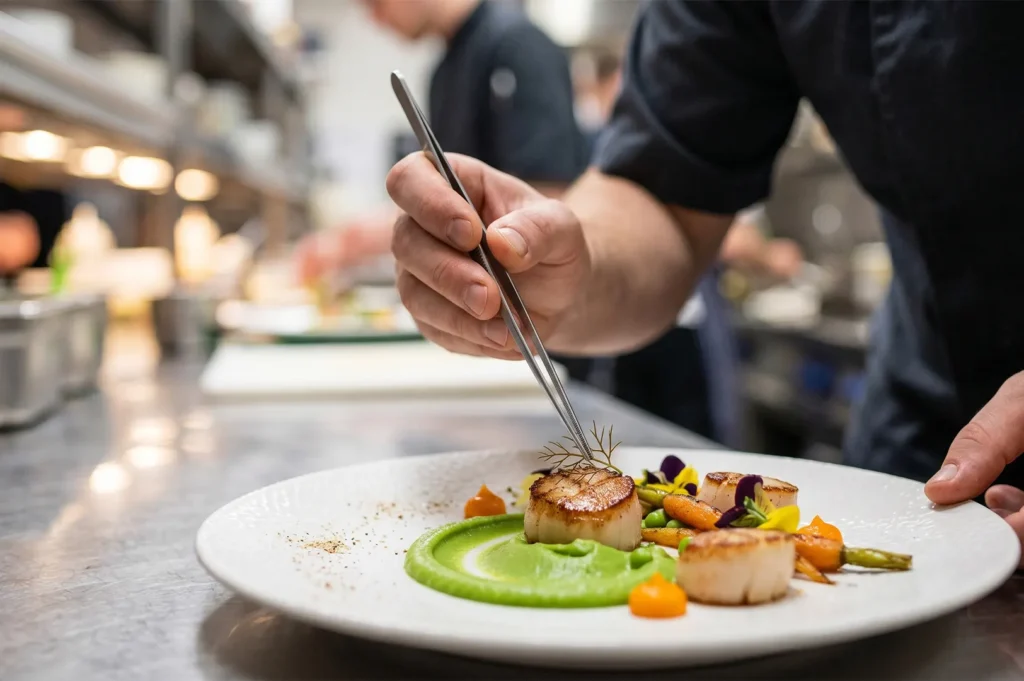
Behind the swinging kitchen doors, there is a rigorous focus that most diners never see. I have spent enough time observing high-level kitchens to know that the effortlessness presented on the dining room table is a carefully constructed illusion. It relies entirely on hours of unseen preparation: the exact calibration of a water bath, the angle of a carbon steel blade, the slow reduction of a sauce until it reaches the precise viscosity required to coat the back of a spoon. Every element must serve a distinct, logical purpose. If a specific micro-herb or foam does not actively elevate the core ingredient, it has no place on the plate.
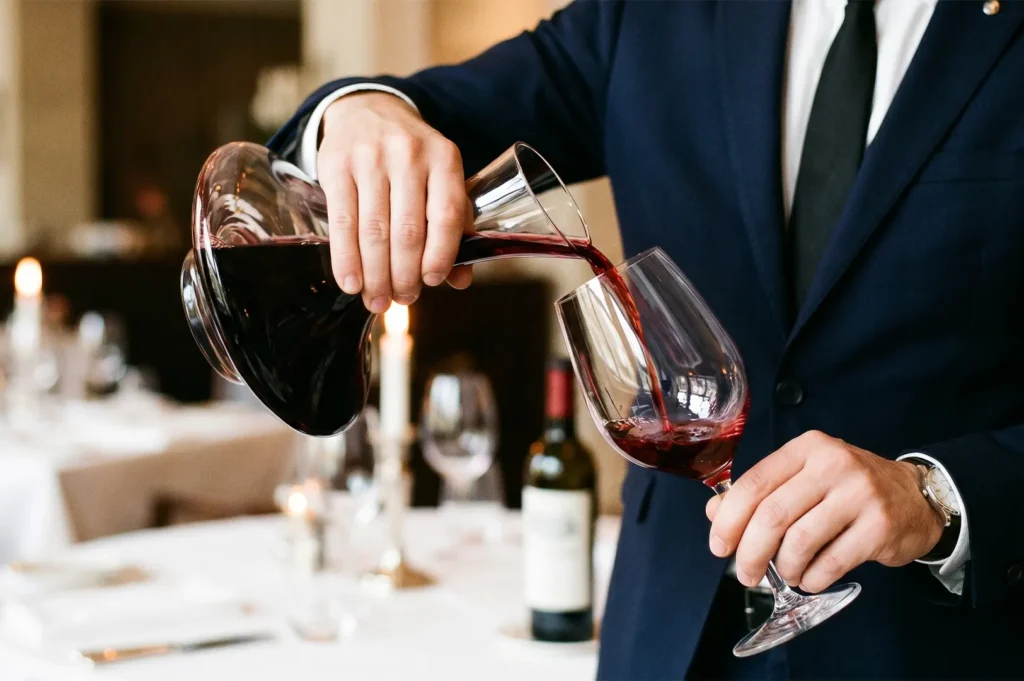
This philosophy of precision must extend directly into the beverage program for the menu to succeed. A truly exceptional tasting menu demands a sommelier who understands the underlying chemistry of the food. When I am served a highly marbled piece of meat, I do not simply want a heavy, predictable red wine. I look for a vintage with enough structural acidity to slice through the fat, perhaps a tightly coiled Chablis or an aged Nebbiolo, gently cleansing the palate for the next course. The pairing should act as a bridge between plates; it must maintain the rhythm of the meal without overpowering the subtle nuances of the kitchen’s labor.
Pacing is perhaps the most underrated aspect of this culinary discipline. A tasting menu can easily become an exhausting marathon if the kitchen loses its grip on timing. The best chefs understand how to manipulate flavor intensity across a two-hour window. They know exactly when to shock the senses with a sharp note of citrus and when to offer the deep, resonant comfort of a clarified broth. It requires a profound understanding of sensory fatigue. The objective is to leave the diner feeling mentally engaged and energized, rather than physically overwhelmed.
Ultimately, the quiet discipline behind these menus is an act of profound respect. It involves a chef systematically stripping away the unnecessary to reveal the absolute truth of an ingredient. It is a pursuit of culinary perfection that can never truly be caught, but the rigorous attempt itself is what makes fine dining so compelling.
“Perfection is achieved, not when there is nothing more to add, but when there is nothing left to take away.”
If you appreciate the meticulous craft and philosophy behind extraordinary meals, I invite you to explore more culinary insights at Luxury Dining SG.