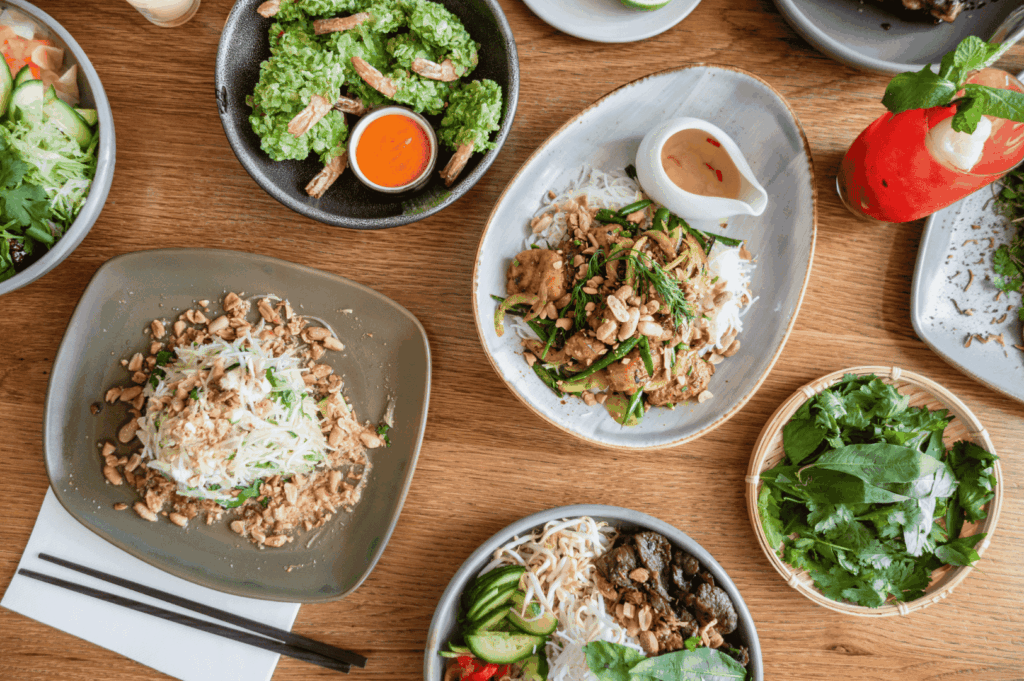
In Singapore, fusion isn’t just a fad—it’s the story of our taste buds and the island’s multicultural soul. Step into any restaurant or hawker centre, and you’ll uncover a menu where coconut milk, spices, and local herbs mingle with classic French butter, spicy chili sauce, and the unmistakable bite of Chinese noodles. Singapore fusion food is about combining culinary traditions from East and West, creating dishes stuffed with character, history, and a dash of creative perfection.
The island is home to a dizzying array of fusion restaurants, from fine-dining establishments with a Michelin star to friendly neighbourhood joints, all offering spicy noodle soup, sweet treats, and inventive plates. This article will explore Singapore’s rich history of fusion, from classic family recipes to modern trends by chefs like Ms Maria and Mr Singh. Prepare to satisfy your curiosity (and taste buds!) as you discover how Singapore blends cultures, flavors, and cuisines.
Singapore Fusion Food: Historical Roots on an Island of Flavour
The journey of Singapore fusion food begins with the arrival of early Chinese migrants and the mingling of cultures from China, India, and across Asia. Colonial rule brought bread, butter, and new ingredients from the West, which local cooks quickly adapted, combining them with rice, spicy paste, and garden-fresh herbs to create a unique fusion of east and west.
The birth of Peranakan cuisine is Singapore’s original fusion: Nyonya cooks—descendants of Chinese immigrants and Malay families—created sweet and spicy dishes like laksa (a spicy noodle soup with coconut milk, prawns, and tofu puffs) and chili sauce–drenched chicken curry. From soup dishes laced with pandan leaves and fish balls to spicy minced meat tacos served with chili sauce, every plate tells a story of migration, adaptation, and local creativity. As more cultures arrived, the city’s food scene evolved—street food was elevated to fine dining, and fusion was not just an experiment but a core of Singapore’s culinary identity.
Exploring Unique Fusion Dishes: Rendang Tacos and Nasi Kunyit Pizza
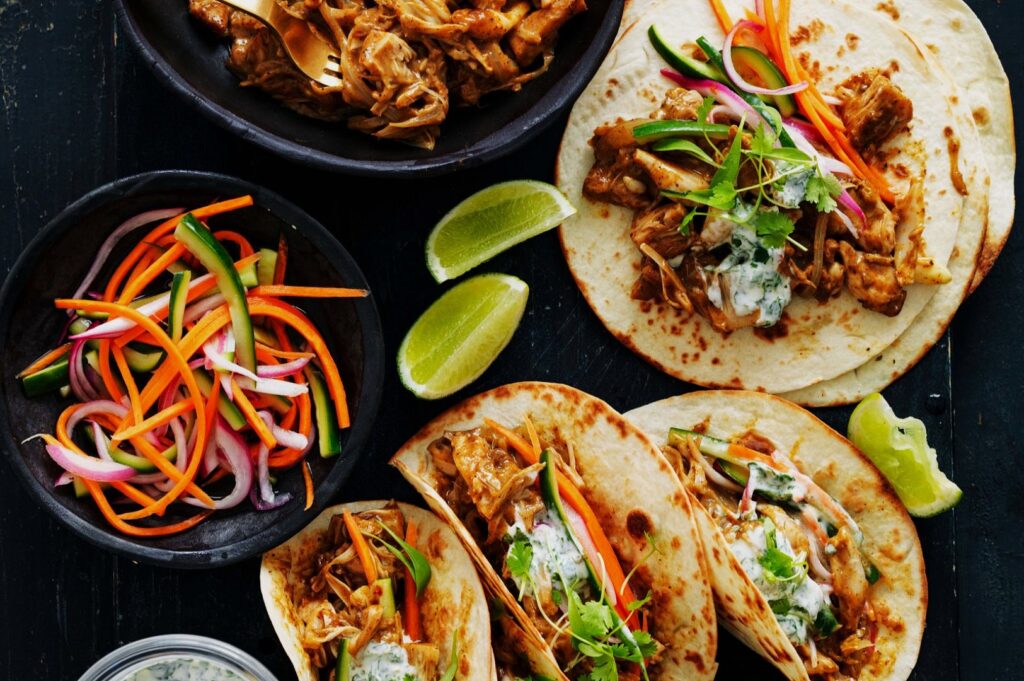
Singapore’s fusion food scene is constantly evolving, with chefs creatively blending traditional ingredients and international styles. Take, for example, Rendang Tacos—a bold fusion dish that wraps the rich, slow-cooked beef rendang in soft Mexican-style tortillas. This satisfying bite combines the complex spices of Indonesian and Malay cuisine with a fresh squeeze of lime and a dollop of cooling herbs, creating a perfect balance of flavors and textures.
Another inventive creation is the Nasi Kunyit Pizza, which replaces traditional pizza bases with fragrant turmeric-infused rice (nasi kunyit). Topped with sambal, crispy anchovies, and slices of chicken curry, this dish marries the comforting familiarity of pizza with the bold, spicy flavors of Singapore’s national dishes. These innovative plates showcase how fusion restaurants in Singapore continue to push culinary boundaries, delighting diners with unexpected yet harmonious combinations.
Spicy Noodle Soup & Creative East-West Flavours: Cultural Influences
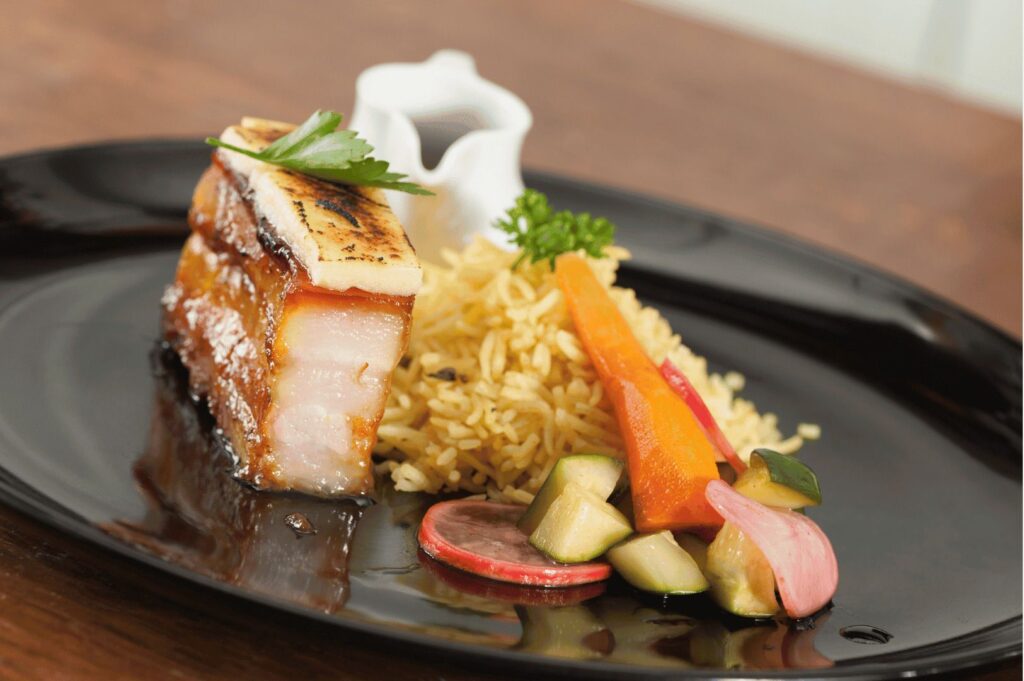
Singapore’s fusion food scene bubbles with influences from every corner of the globe. Chinese techniques like stir-frying and steaming pair with Indian spices, Malay herbs, and French cooking styles. Today, it’s not uncommon to find restaurants combining south Indian curries with crispy fried bread or inventive sushi stuffed with local chili sauce.
- Chinese Immigrants and Culinary Foundations: Early Chinese migrants brought rice, noodles, and tofu, which continue to shape popular dishes like laksa and spicy noodle soups, now served with slices of prawns, minced meat, fish balls, and fresh vegetables.
- Malay & Indian Spices: Malay chili paste and Indian spices infuse everything from spicy chicken curry to sweet corn fritters, transforming classic recipes into bright, flavor-packed bites. Don’t forget local favorites like stuffed bread or rich, spicy eggs wrapped in banana leaves.
- Japanese and French: Japanese minimalism meets French butter in fusion plates, with chefs preparing delicate dishes using the freshest ingredients, corn, and even creative fillings like spicy prawn tacos.
- Middle Eastern and Modern Fusion: Inspired by recent trends, local chefs are experimenting with Middle Eastern elements and plant-based innovation, all while respecting Singapore’s heritage of rich and spicy flavors.
Fusion Restaurants: Dishes and Delights that Define Singapore
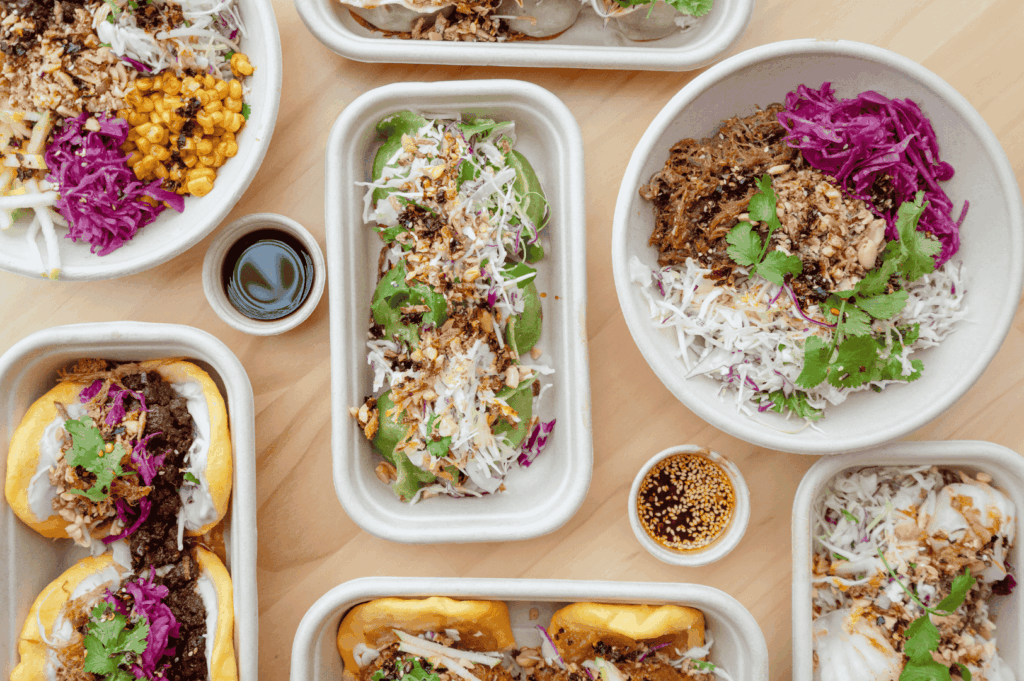
Signature fusion dishes are everywhere on the island, combining the familiar with the unexpected to thrill your taste buds and surprise even seasoned locals.
Laksa: A spicy noodle soup beloved throughout Singapore, laksa’s coconut milk broth, crispy tofu puffs, and slices of hard-boiled egg create a rich, filling soup dish. Modern versions might include pasta, grilled prawns, or herbs from local farms, served with chilli sauce, lime, and fresh cucumber.
Where to find: Popular at hawker centres such as 328 Katong Laksa.Chili Crab: This spread-the-news dish is a must-try: sweet, spicy crab cooked in thick chili sauce, often served with soft bread for dipping.
Where to find: Iconic at restaurants like Jumbo Seafood and Long Beach Seafood.Chicken Rice Reimagined: Think sous-vide chicken, rice flavoured with pandan leaves and local herbs, served alongside creative sauces, pickled vegetables, and chilli sauce for a perfect east-west bite.
Where to find: Available at modern eateries such as Tian Tian Hainanese Chicken Rice.Stuffed Tacos with Asian Filling: From prawn-stuffed tacos to bread pockets filled with curry and spices, Singapore’s fusion delights are recently making waves in fusion restaurants across the island.
Where to find: Try them at trendy fusion spots.Pandan Chiffon Cake and Classic Sweets: Pandan leaves and coconut milk combine in soft cakes, custards, and ice cream—offering a taste of local tradition wrapped in modern style.
Where to find: Found in bakeries like Bengawan Solo and dessert cafes across Singapore.
Fusion Restaurants: Michelin Stars and Pioneering Chefs
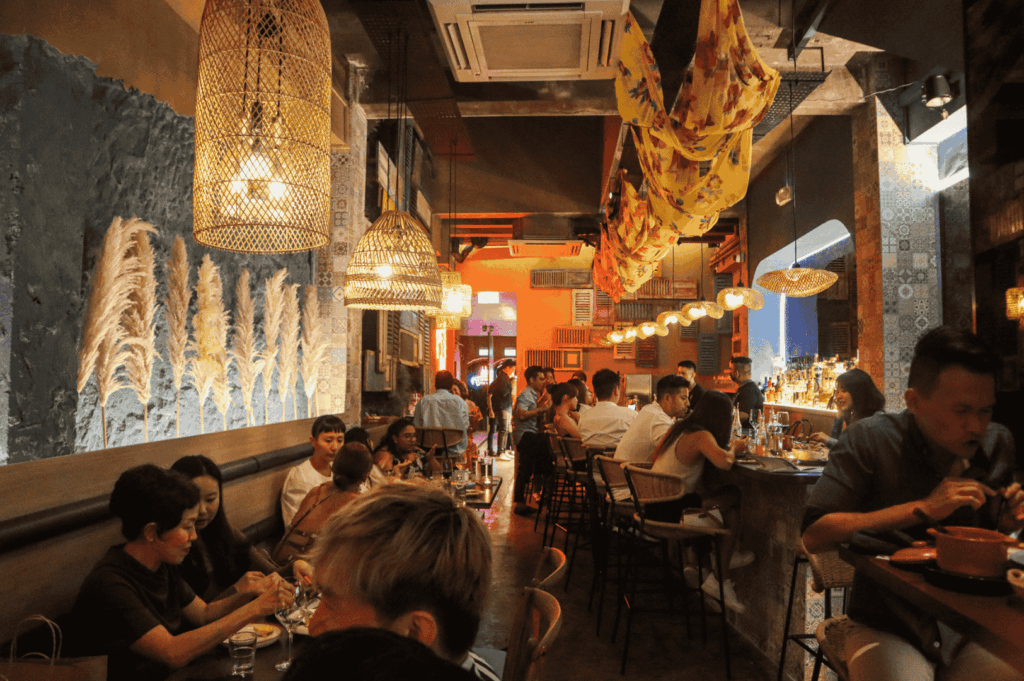
On an island where food is life, fusion restaurants and Michelin-starred spots shine. These restaurants transform spicy noodle soups and curry into plated masterpieces. Menus feature dishes like coconut milk-soaked seafood tacos, spicy minced meat pasta, or bread slices topped with prawn paste and lime—awaiting friends and family for a shared meal. Reservation tips: Top restaurants may have a minimum spend, while local gems welcome drop-ins for a casual, flavorful feast.
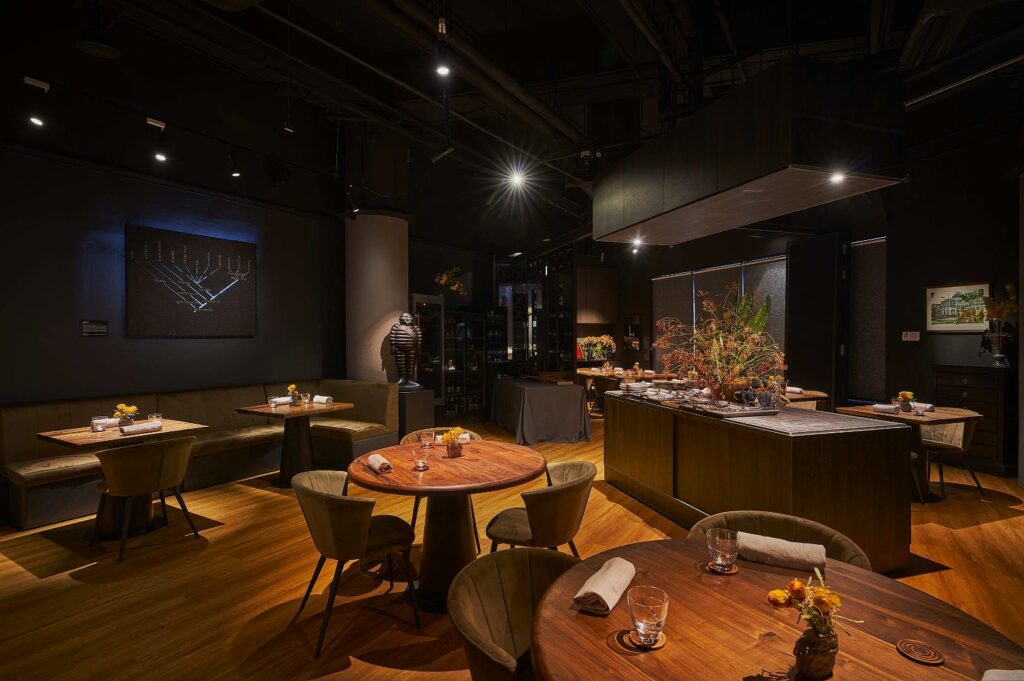
Highlights: Michelin-starred restaurant known for reinventing traditional laksa into fine-dining masterpieces, featuring sweet-salty, spicy fusion plates using rich local produce.
Price Point: Fine dining, premium pricing.
Location: Esplanade.
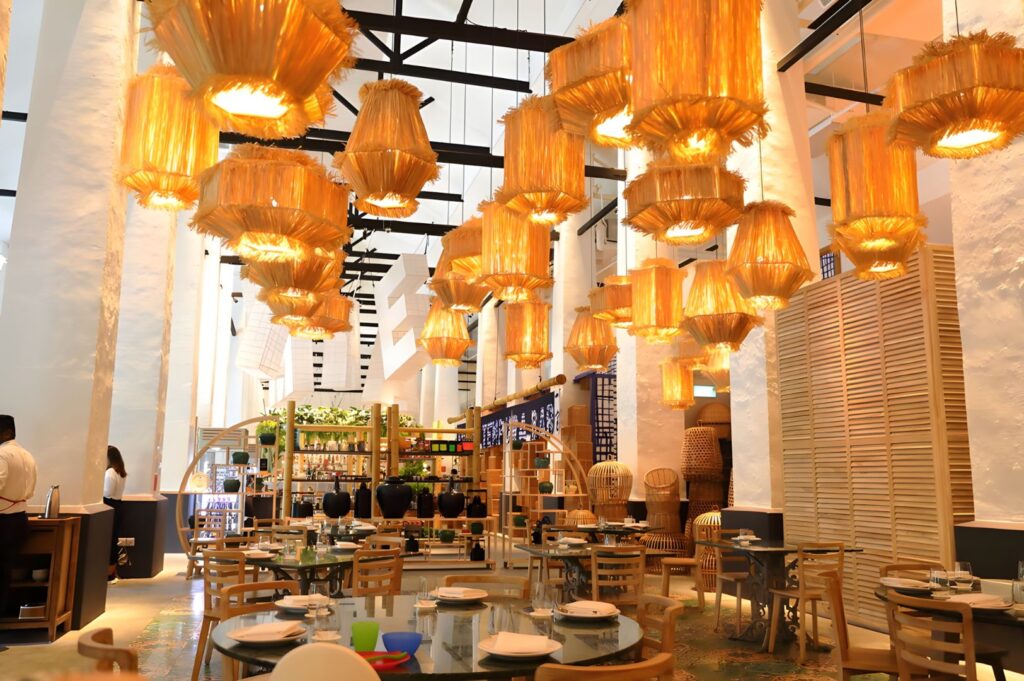
Highlights: Michelin-starred restaurant showcasing refined Peranakan cuisine with bold, harmonious flavors and a focus on traditional ingredients.
Price Point: Fine dining, premium pricing.
Location: Dempsey Hill.
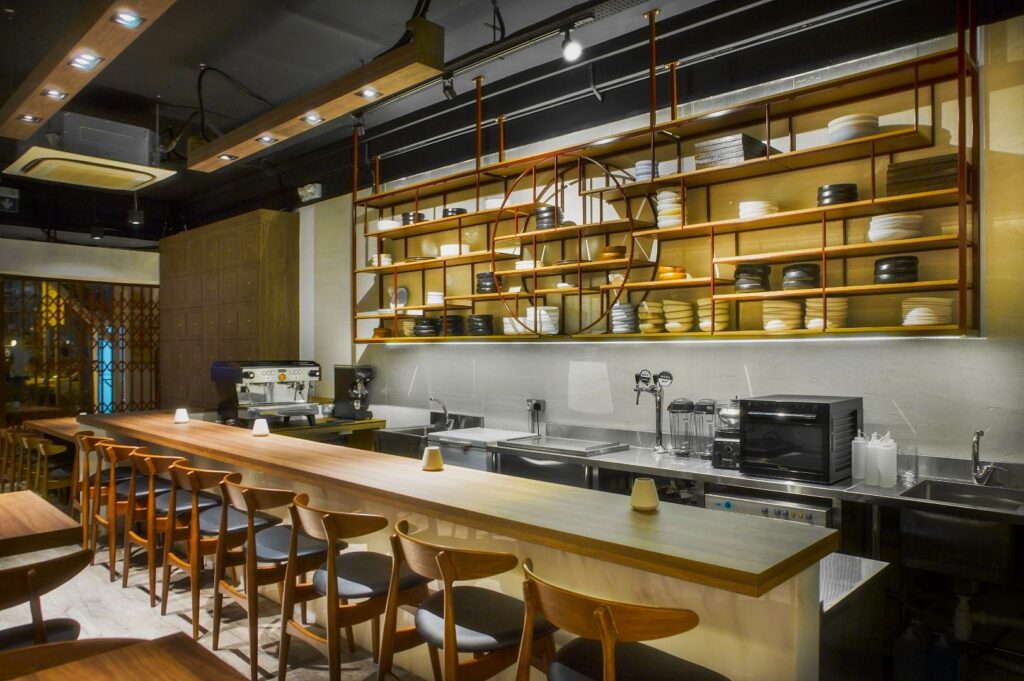
Highlights: Asian fusion cuisine known for thoughtful ingredient combinations and inventive plating, delivering a creative and memorable tasting experience that balances familiarity and surprise.
Price Point: Mid to high range, offering tasting menus and à la carte options.
Location: 1 Cuscaden Road, #01-01, Singapore 249715.
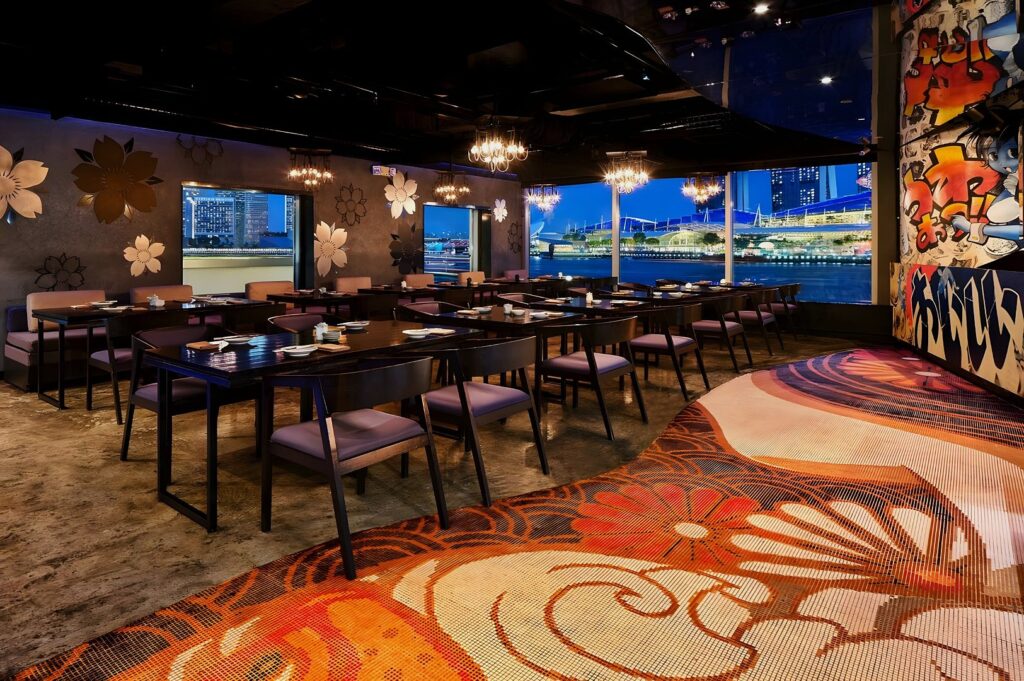
Highlights: Japanese fusion dishes that blend modern Japanese techniques with global influences, featuring playful combinations of sushi, grilled elements, and contemporary flavors. Energetic and refined dining atmosphere.
Price Point: Mid to high range, suitable for fine dining occasions.
Location: 70 Collyer Quay, Customs House, #01-01, Singapore 049323.
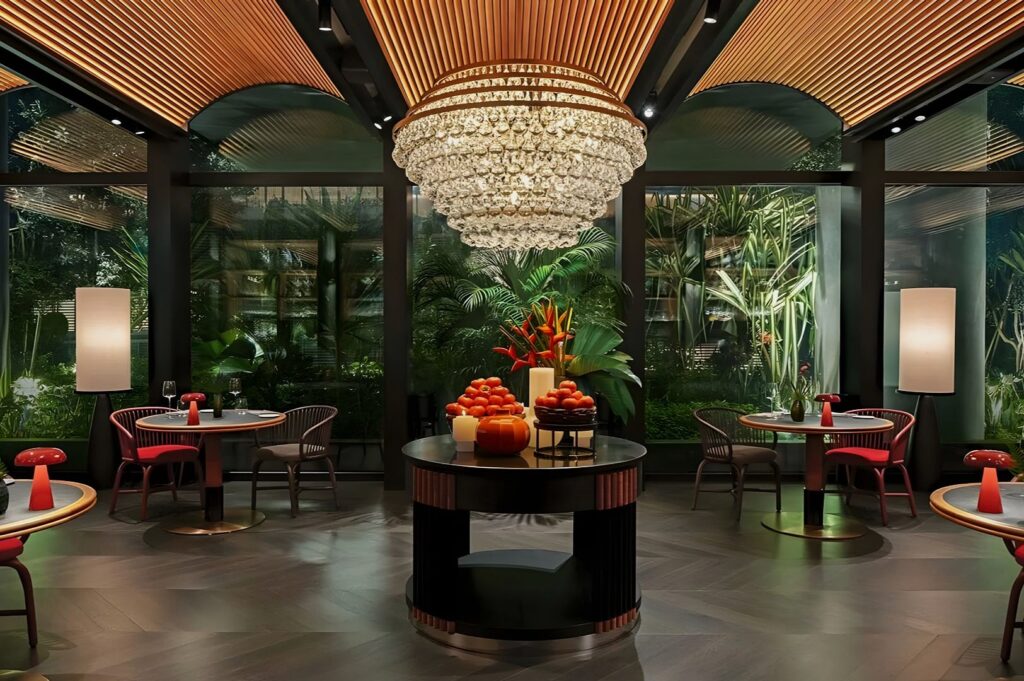
Highlights: Fine dining with a modern fusion sensibility, drawing inspiration from diverse culinary traditions to create elevated dishes with depth and originality. Known for imaginative menus and artistic presentation.
Price Point: High-end fine dining experience.
Location: 9 Empress Place, #01-01, Singapore 179555.
These fusion restaurants highlight Singapore’s rich culinary tapestry, offering dishes that combine tradition, innovation, and bold flavors perfect for adventurous food lovers.
Peranakan Cuisine: The Heart of Singapore Fusion Food
One of the most iconic examples of Singapore fusion food is Peranakan cuisine, also known as Nyonya cuisine. This culinary tradition arose from the blending of Chinese immigrants’ cooking techniques with the rich spices and flavors of the Malay community. The result is a unique fusion that showcases tangy flavors, aromatic herbs, and a balance of spicy and sweet notes.
Key ingredients such as coconut milk, galangal, kaffir lime leaves, and lemongrass are essential in Peranakan dishes, creating a rich gravy and a distinctive creamy texture that delights the palate. Signature dishes like laksa—a spicy noodle soup with prawns and tofu puffs—and ayam buah keluak—a chicken dish cooked with the black nuts of the kepayang tree—highlight the complexity and depth of this cuisine.
Recognized globally, Peranakan cuisine has even earned a place in the Michelin Guide, with restaurants like Candlenut showcasing its refined flavors on the world stage. As a fusion of cultures and tastes, Peranakan cuisine remains a vibrant and essential part of Singapore’s culinary identity, reflecting the island’s multicultural heritage and its love for bold, harmonious flavors.
Planning Your Singapore Fusion Food Adventure

To get the most from Singapore’s unbeatable fusion scene:
- Book Ahead: Top fusion restaurants (especially Ms Maria & Mr Singh) fill up quickly—reserve early for your pick of the best plates.
- Sample Boldly: Don’t forget hawker classics like spicy noodle soup, sweet stuffed breads, and freshly fried cuttlefish or prawns at local markets.
- Consider Your Budget: High-end spots can command premium prices, while street food is always a wallet-friendly delight.
- Special Experiences: Seek out chef’s tables offering multi-course fusion menus—guaranteed to showcase the creativity and perfection Singapore is famous for.
Conclusion: East Meets West, Island-Style
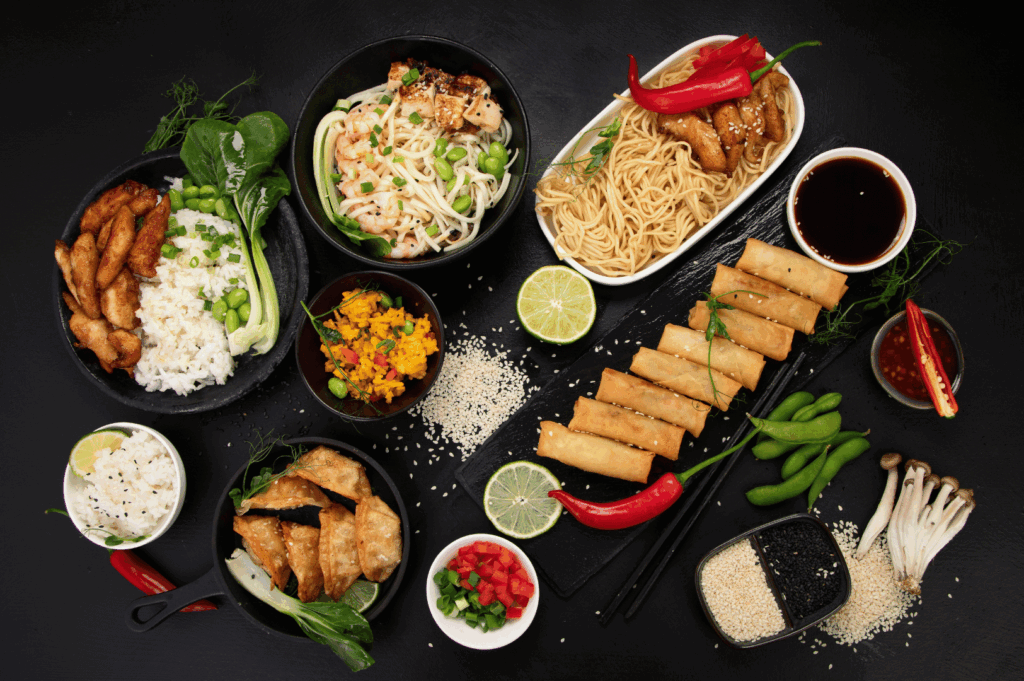
Singapore fusion food isn’t just dining; it’s the story of how cultures blend on an island bursting with spices, sweet coconut, and savoury bites. Whether you explore with friends, family, or solo, the fusion of flavours in Singapore’s culinary traditions is an experience that wraps up history, taste, and creativity in each bite. So don’t just read about it—explore, prepare, and savour all the classic and creative plates that make this city Asia’s capital of fusion perfection.
Visit Luxury Dining for more.