To understand Singapore, you first need to understand its food. Walk through any neighborhood in this multicultural city-state, and your senses are immediately awakened. You’ll smell the smoky char of skewered meat satay grilling over charcoal, the spicy perfume of a bubbling laksa broth, and the fragrant aroma of rice steaming for chicken rice, one of Singaporeans’ favourite hawker food.
In Singapore, food is more than just a meal — it’s an integral part of life, the common national identity based on shared experiences and a shared love for eating. It’s where diverse communities and different immigrant groups meet at the table. Here, Singapore fusion cuisine is a delicious reflection of Singapore’s multicultural society, where culinary practices from Malay, Chinese, Indian, and European influences come together in a unique combination that embraces people from all walks of life. Hawker culture is an integral part of Singapore’s national and cultural identity, representing the heart of Singapore’s heritage and community life.
A Taste of History: The Origins of Singapore Fusion Cuisine in a Multicultural Urban Context
Singapore’s food heritage was simmered over centuries of history and migration. Positioned along major trade routes, the island became a hub where merchants associations, immigrant groups, and diverse backgrounds gathered, bringing along their cuisines, ingredients, and culinary skills.
The Malay Roots: The Malay people, Singapore’s original inhabitants, contributed a foundation of spicy flavors, coconut milk, and herbs. Dishes like Nasi Lemak and Beef Rendang remain distinctive local dishes that continue to define local tastes.
The Chinese Influence: Migrants from southern China brought noodles, dim sum, and the now iconic Hainanese Chicken Rice—a dish that evolved into a national treasure.
The Indian Contribution: South Indian immigrants introduced roti prata, curries, and fish head curry, blending seamlessly into local food cultures and culinary practices.
The European Touch: British colonization added stews, bakeries, and the idea of afternoon tea, later adapted into local tastes and adapting dishes that reflected Singapore’s openness.
This constant blending of diverse communities built the foundation for the hawker culture in Singapore — a living expression of unity through food.
Peranakan Cuisine: The Original Singapore Fusion Cuisine and Intangible Cultural Heritage
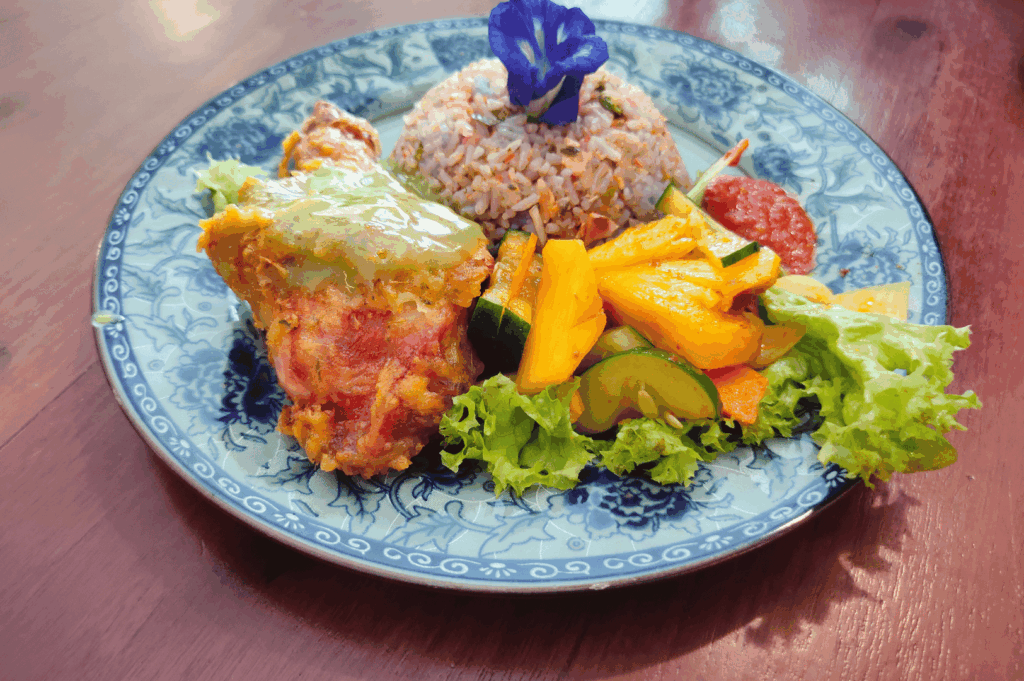
Long before the term “fusion cuisine” became trendy, Peranakan cuisine was born. The Peranakans, or Straits-born Chinese, were descendants of early Chinese traders who married local Malay women. Their cultural heritage of humanity shines through Nyonya food, which fuses Chinese cooking techniques with Malay spices like lemongrass, galangal, and tamarind.
A dish like Babi Pongteh, slow-cooked pork with fermented soybeans and local aromatics, beautifully illustrates how hawker dishes originated from different immigrant groups coming together. This early form of Singapore fusion cuisine reflects a common national identity built on diversity and shared experiences — an edible story of coexistence.
Signature Hawker Dishes: Distinctive Local Dishes that Define Singapore’s Culinary Practices
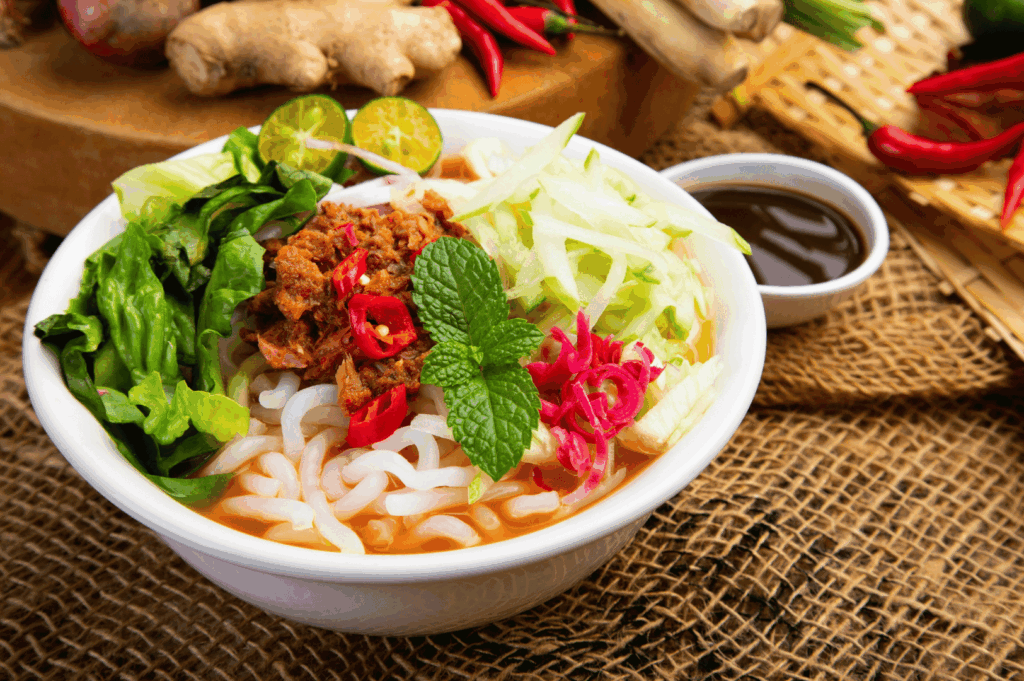
Laksa – The Soul of Singapore’s Culinary Practices
Laksa perfectly captures the city’s multicultural urban context. Combining Chinese noodles with Malay spices and coconut milk, it embodies the marriage of food cultures that define Singapore’s multicultural society. The Katong Laksa version is a Peranakan creation that still delights taste buds across generations.
Chili Crab – A National Icon Cooked with Creativity
The world-famous Chili Crab—often served in hawker centres and fine dining restaurants alike—represents Singapore’s spirit of innovation. Its spicy, sweet, and savory sauce is a symbol of adapting dishes to local tastes, proving how hawker culinary traditions can reach Michelin star status without losing their soul.
Roti John – From Street Food Culture to Home Comfort
Roti John, an omelet sandwich fried with minced meat, embodies street food culture and the playful adaptation of Western influence. Together with roti prata, these distinctive local dishes are staples that connect families, friends, and younger family members over lunch or a late-night meal.
Hawker Centres: The Heart of Hawker Culture and Community Dining in Singapore
If there’s one place that captures the essence of hawker culture in Singapore, it’s the hawker centres. These vibrant spaces are more than just food courts — they’re community dining rooms where families gather, friends dine, and diverse backgrounds gather to enjoy affordable meals. Hawker centres serve as pillars of social cohesion, fostering interaction and shared experiences among Singaporeans of different backgrounds.
Recognized through the nomination and inscription process on UNESCO’s Representative List of the Intangible Cultural Heritage of Humanity, hawker culture is celebrated globally for how it strengthens social cohesion and preserves culinary practices across diverse communities. The inclusion of Singapore’s hawker culture as an intangible cultural heritage element on UNESCO’s Representative List highlights its cultural significance and the collective efforts to preserve and celebrate this unique aspect of Singapore’s multicultural identity.
Managed and supported by the National Environment Agency, hawker centres serve as vibrant communal spaces where hawkers’ knowledge, passed down from some of the oldest hawkers, continues to shape the nation’s social fabric. Through public engagement efforts, training programmes, and initiatives from educational institutions, the government promotes community interactions and culinary skills that keep the food heritage alive.
Here, hawker food like char kway teow, Indian rojak, and Malay satay are not just dishes — they are cultural bridges. Every stall tells a story, every flavor unites diverse backgrounds, and every meal celebrates a common national identity rooted in shared love and life.
Modern Chefs and the Evolution of Singapore Fusion Cuisine
While hawker centres serve as the guardians of tradition, a new wave of chefs is redefining Singapore fusion cuisine in a modern light.
Chef Willin Low: Mod-Sin Pioneer
Chef Willin Low, known as the “Godfather of Mod-Sin,” transformed hawker culinary traditions with global finesse. His Laksa Pesto Pasta reimagines local tastes for an international audience—proving that the culinary practices of hawkers can inspire haute cuisine.
Chef LG Han: Reimagining Food Heritage
At Labyrinth, Michelin-starred Chef LG Han pays homage to hawker culture by reinterpreting classics through fine dining. His chicken rice reinterpretation and chili crab ice cream are thoughtful reflections of Singapore’s multicultural urban context and food heritage, inviting diners to rediscover their roots.
These chefs represent how hawker culture and modern cuisine coexist — one preserving tradition, the other evolving it — both reinforcing Singapore’s multicultural society and promoting social cohesion through food.
The Future of Hawker Culture in Singapore: Preserving Culinary Heritage and Social Cohesion
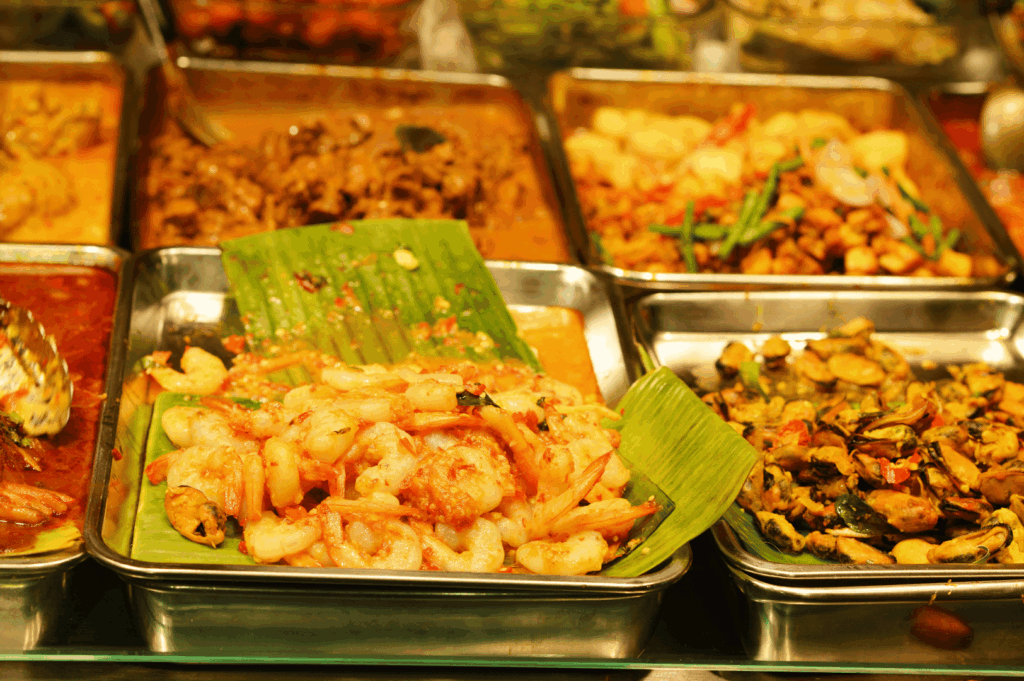
As hawker culture in Singapore continues to evolve, public engagement efforts and training programmes ensure that younger family members carry forward hawkers’ knowledge. The National Environment Agency and educational institutions work hand-in-hand to sustain hawker culinary traditions, support different immigrant groups, and maintain hawker centres as spaces where diverse communities and life gather.
These vibrant communal spaces remain symbols of inclusivity and resilience. They serve as community dining rooms where Singaporeans, tourists, and residents from diverse backgrounds connect over their favourite hawker food, reinforcing a common national identity that celebrates both the old and the new.
Global Recognition and the Continuing Legacy of Singapore’s Culinary Identity
As Singapore continues to evolve as a global culinary hub, its hawker culture and Singapore fusion cuisine have gained worldwide admiration. Visitors from around the world are drawn not only to its Michelin star restaurants but also to the humble hawker stalls that embody street food culture and community dining.
These vibrant communal spaces, where diverse backgrounds gather and dine side by side, showcase how food can transcend social and cultural boundaries. Hawker centres serve as living museums of food heritage — spaces where culinary practices are preserved, where younger family members learn from the oldest hawkers, and where Singapore’s multicultural society comes alive through every dish served.
The recognition of hawker culture on UNESCO’s Representative List of the Intangible Cultural Heritage of Humanity further cements its global significance. It validates what Singaporeans have long known: that food is not just nourishment but an expression of humanity and shared identity. Through ongoing public engagement efforts, training programmes, and the work of educational institutions, the National Environment Agency ensures that hawker culinary traditions remain a thriving part of life in Singapore.
The future of hawker culture in Singapore depends on the balance between tradition and innovation — between preserving the old and embracing the new. From hawker stalls to Michelin-starred restaurants, from spicy laksa to modern fusion dishes, Singapore’s food culture continues to evolve while staying true to its roots. This ability to adapt and evolve is what makes Singapore’s food scene one of the most distinctive and respected in the world.
A Shared Table, A Shared Love
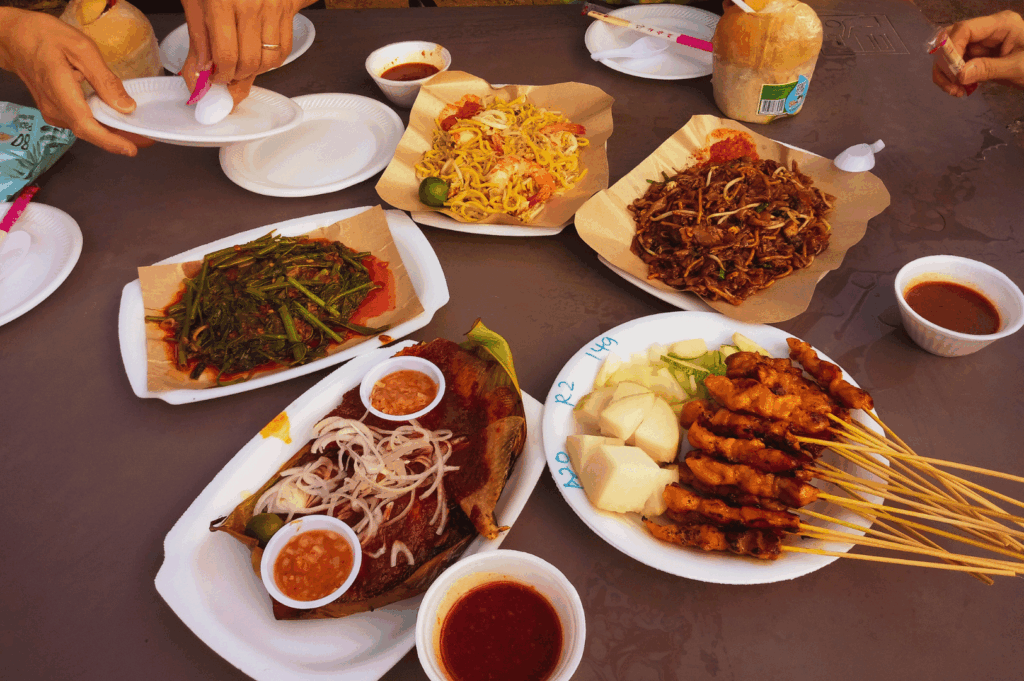
Hawker culture, Singapore fusion cuisine, and hawker centres together form the beating heart of the nation’s social fabric. Every plate of hawker food, every bowl of laksa, and every serving of chicken rice is more than a meal — it’s a celebration of how diverse backgrounds gather in harmony.
Whether you’re exploring a Michelin star stall or sitting at a plastic table in a hawker centre, you’re experiencing the intangible cultural heritage that defines Singapore — a multicultural city-state where culinary practices, community dining, and shared experiences have created something truly timeless.
So, the next time you dine in Singapore, let your taste buds guide you through this cultural heritage of humanity — one unique combination of flavors at a time.