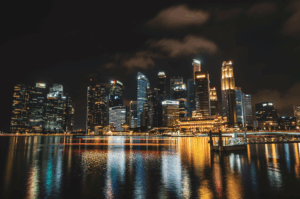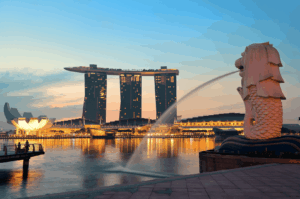
Singapore’s culinary scene is a vibrant tapestry woven from threads of diverse cultures, flavors, and traditions. It’s a city where a world-class meal can be found in a bustling hawker center or a serene, beautifully appointed dining room. The arrival of the Michelin Guide in 2016 placed an international spotlight on this dynamic landscape, validating what locals have always known: Singapore is a true global capital of gastronomy. For the first time, Singapore became the first country in Southeast Asia to receive Michelin stars, marking a significant milestone in the region’s culinary history. Today, Singapore stands as one of the world’s most diverse and celebrated Michelin star destinations. This guide is your definitive resource for navigating the prestigious world of the Singapore Michelin star, from its coveted three michelin stars pinnacles to its impressive array of one michelin star gems.
The SG Michelin star scene is unlike any other. It reflects the city’s unique identity—a place where French haute cuisine, refined Japanese omakase, and innovative Modern Singaporean concepts coexist and thrive. For the discerning diner and foodies, it offers a thrilling journey through the highest echelons of culinary artistry and fine dining. This comprehensive guide will walk you through the history, highlights, and practicalities of exploring Singapore’s stellar gastronomic offerings.
The Michelin Guide’s Journey to Singapore
The michelin guide, originally a travel companion for French motorists in 1900, has evolved into the world’s most respected authority on culinary excellence. Its expansion into Asia was a landmark moment, and its arrival in Singapore in 2016 was met with immense anticipation. The guide’s michelin inspectors were tasked with exploring a city renowned for both its high-end michelin starred restaurants and its world-famous street food.
The inaugural Singapore edition, now the ninth edition, made global headlines when the Michelin Guide decided to recognize both fine dining establishments and two humble hawker stalls by awarding them stars. This unprecedented move cemented Singapore’s unique position in the culinary world and set the stage for a dynamic and ever-evolving list of recognized michelin star restaurants. Each year since, the announcement of the new Singapore Michelin star recipients is a major event, sparking conversation and sending foodies flocking to newly crowned establishments.
Understanding the Michelin Star Categories
Navigating the SG Michelin star landscape is easier when you understand the distinctions. The guide uses a strict set of criteria, with anonymous michelin inspectors judging restaurants solely on the quality of the food.
One Star: A very good restaurant in its category.
Two Stars: Excellent cooking, worth a detour.
Three Stars: Exceptional cuisine, worth a special journey. Three-star restaurants often feature at least one notable dish that exemplifies their exceptional culinary standards and unique style.
The Coveted Stars
One Star: Awarded for “high-quality cooking, worth a stop.” These restaurants consistently produce dishes to a high standard, making them standout dining destinations. Earning a single michelin star or one star award is a significant achievement that marks a restaurant‘s commitment to excellence.
Two Stars: Given for “excellent cooking, worth a detour.” The cuisine here is refined and inspired, showcasing the chef‘s distinct personality and talent. Two michelin stars represent a higher level of dining experience, often featuring innovative dishes and exceptional quality.
Three Stars: The highest honor, reserved for “exceptional cuisine, worth a special journey.” These restaurants are culinary temples, offering flawless execution, signature notable dishes, and an unforgettable dining experience. The coveted three michelin stars are a sign of global reputation and mastery.
A Tour of Singapore’s Starred Cuisines
The diversity of the SG Michelin star list is a testament to the city’s multicultural palate. The creative use of spices is a hallmark of many Michelin-starred kitchens in Singapore, contributing to the complexity and authenticity of their dishes. You can find world-class examples of nearly every major cuisine, each interpreted through a lens of precision and quality.
European Elegance: French and Modern European
French haute cuisine has long been a cornerstone of fine dining, and Singapore boasts some of its finest global ambassadors.
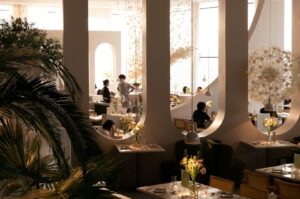
Les Amis (Three Stars): A bastion of classic French luxury, Les Amis is renowned for its impeccable ingredients sourced directly from France and one of Asia’s most legendary wine cellars, featuring an extensive collection of fine wines. The main dining area offers an elegant setting where guests can indulge in a feast of classic dishes expertly paired with exquisite wines.
Odette (Three Stars): Housed in the National Gallery Singapore, Chef Julien Royer’s modern French cuisine is an ode to seasonality and purity. Each plate is a work of art, both visually and gastronomically, showcasing refined flavours and quality ingredients.
Jaan by Kirk Westaway (Two Stars): Offering a modern take on British cuisine, this restaurant is located in the Swissôtel The Stamford, with breathtaking skyline views alongside exquisitely crafted dishes that reinvent English classics. Chef Kirk Westaway draws inspiration from his hometown of Devon to create an exceptional dining experience that delights diners in the main dining area.
Ma Cuisine: A notable one michelin star establishment, Ma Cuisine is celebrated for its gastro wine bar ambiance, extensive wine list, and homey French fare. It has built a solid reputation among foodies seeking both quality food and an inviting bar atmosphere.
Saint Pierre: A Michelin-starred restaurant, Saint Pierre is acclaimed for its modern French cuisine, sophisticated interiors, and a menu that blends European techniques with Southeast Asian flavors. The restaurant offers a curated selection of wines to complement its gourmet dishes, enhancing the overall dining experience.
Japanese Precision: Omakase and Beyond
Singapore’s diners have a deep appreciation for Japanese culinary arts, and the city’s michelin starred Japanese restaurants are among the best in the world.
Waku Ghin by Tetsuya Wakuda (Two Stars): An intimate and exclusive experience, Waku Ghin offers a masterful ten-course dégustation dinner menu prepared before your eyes at a private chef’s table. Signature ingredients like sea urchin and premium wagyu beef are highlights of this exquisite meal.
Shoukouwa (Two Stars): This intimate eight-seat sushi-ya offers an edomae-style omakase experience with fish flown in fresh daily from Tokyo’s Toyosu Market in Japan. It’s a pure and uncompromising taste of Japan, showcasing the finest seasonal seafood.
At some Michelin-starred Japanese restaurants in Singapore, you may also find signature dishes such as honey-miso black cod, where honey is used to create a delicate glaze that enhances the dish’s sweetness and umami balance.
A Celebration of Asian Flavors
The Michelin Guide in Singapore also pays homage to the rich culinary traditions of Asia, from refined Chinese dining to innovative Modern Singaporean concepts.
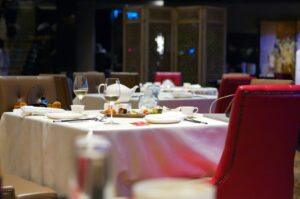
Summer Pavilion (One Star): This Cantonese restaurant at The Ritz-Carlton, Millenia Singapore is known for its delicate dim sum, classic dishes, and sophisticated ambiance that complements its stunning surroundings. The elegant setting and attentive service bring each dish to life, making every meal a vibrant and memorable experience.
Labyrinth (One Star): Chef LG Han champions “Mod-Sin” cuisine, deconstructing local favorites and reinterpreting them with modern techniques. His creative approach brings Singaporean flavors to life, offering a playful and insightful exploration of Singaporean identity on a plate.
Juan Amador Araya: A rising star in the michelin starred scene, Chef Juan Amador Araya brings innovative flavors and a creative approach to his dining experience, earning accolades including the prestigious young chef award.
What Makes the Singapore Michelin Scene Unique?
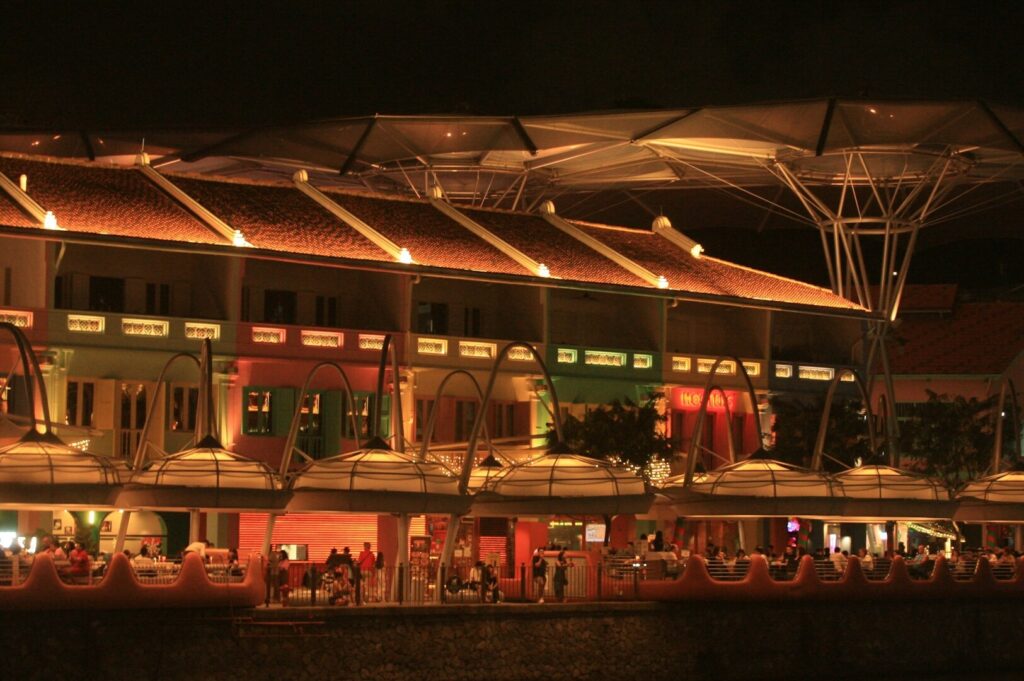
The most defining characteristic of the Singapore Michelin star scene is its incredible breadth. It’s one of the few places on earth where culinary excellence is recognized and celebrated across such a wide economic spectrum. The guide’s willingness to award stars to humble street food vendors alongside opulent fine dining rooms speaks to the city’s core belief: great food is great food, regardless of the setting.
This democratic approach makes Michelin-level quality accessible to more than just the ultra-wealthy. It fosters a culture where both tradition and innovation are valued, and where chefs like Malcolm Lee and others are inspired to pursue excellence whether they are cooking over a charcoal fire or in a state-of-the-art kitchen.
Planning Your Michelin Experience
Securing a table at a top SG Michelin star****restaurant requires some planning. When you eat at a Michelin-starred restaurant in Singapore, be open to trying chef-recommended dishes or signature items for a truly memorable dining experience. Here are a few tips to help you navigate the process.
Booking and Reservations
Book in Advance: For two michelin stars and three stars restaurants, reservations often need to be made one to two months ahead of time. Most restaurants use online booking systems that open at a specific time each day or month.
Be Flexible: If your first-choice date isn’t available, try for a weekday lunch. Lunch and dinner menus are often more accessible and easier to book.
Join the Waitlist: Don’t be discouraged if a restaurant is fully booked. Always ask to be placed on the waitlist, as cancellations are common.
What to Expect: Pricing and Etiquette
The cost of a Singapore Michelin star experience varies greatly.
One-Star: Lunch can start from S$80++, with dinner tasting menus often ranging from S$200 to S$350++ per person.
Two-Star: Expect to pay between S$350 and S$500++ for a dinner menu.
Three-Star: These top-tier experiences typically start from S$500++ and can go higher, especially with wine pairings.
Most establishments have a “smart casual” dress code, though some of the more formal restaurants may require a jacket for men. It’s always best to check the restaurant‘s website when booking.
Emerging Trends in Singapore’s Michelin Dining
The culinary landscape is always in motion, and the SG Michelin star scene is no exception. A significant emerging trend is the growing emphasis on sustainability and plant-based dining. Chefs are increasingly focusing on sourcing local ingredients and creating innovative menus that reduce their environmental impact. This move towards conscious consumption is reshaping fine dining, as detailed in The Michelin Guide and The Move Towards Vegan Fine Dining: Singapore Edition, which explores how top kitchens are embracing this evolution. Other trends include a deeper exploration of regional Southeast Asian cuisines and the rise of intimate, chef-led counter experiences.
For anyone passionate about food, exploring the world of the Singapore Michelin star is an essential journey. It offers a window into the soul of a city that lives and breathes gastronomy.