
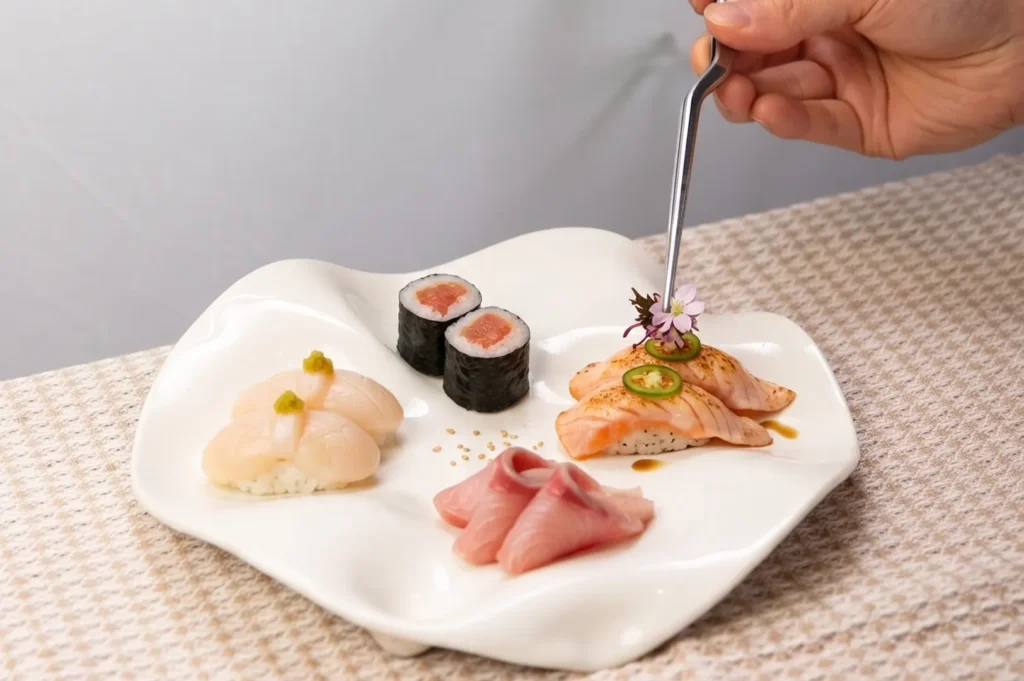
I have spent enough time at counters and in kitchens to notice a pattern that separates good cooking from genuinely exceptional cooking. It is rarely the grand gesture that distinguishes a great chef. It is the small detail, the one most diners will never consciously register, that quietly defines the entire meal.
Watch a serious chef work and you will see what I mean. A cook will taste a sauce, pause, then adjust the salt by an amount so slight it seems absurd. They will wipe the rim of a plate not once but twice. They will rotate a piece of fish in the pan a few degrees so the skin crisps evenly. None of this is for show. Each adjustment is a decision, and great cooking is simply the sum of thousands of correct decisions made in sequence.
I think the obsession comes down to a belief that precision is a form of respect. Respect for the ingredient, first. A scallop that traveled a long way to reach the kitchen deserves to be seared at the right moment, not a second too late. Respect for the diner, second. When a chef obsesses over the temperature of a plate or the thickness of a slice, they are anticipating an experience you have not had yet, shaping it before you arrive.
The same principle runs through wine service. I have watched a sommelier decant a bottle with a patience that borders on devotion, reading the sediment, controlling the pour, deciding exactly how much air the wine needs. A few minutes of attention can change how a tannic red opens across a meal. The detail is invisible in the glass, but you taste its absence immediately when it is missing.
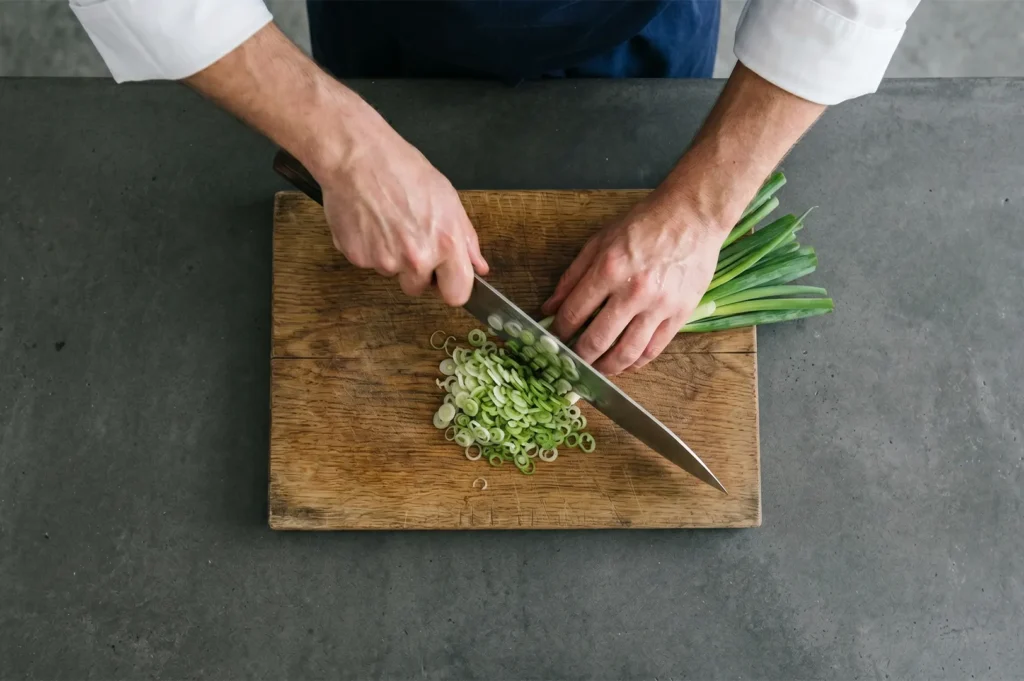
What fascinates me is that the details compound. A slightly under-seasoned base, a marginally cold plate, a sauce broken by a moment of inattention; alone, each might pass unnoticed. Together, they flatten a dish into something ordinary. Conversely, when every small choice is correct, the result feels effortless, even though it is the opposite of effortless. The diner senses harmony without being able to name its source. That, to me, is the quiet genius of fine dining: the work disappears into the experience.
There is also a discipline here that I find deeply admirable. Obsessing over small things is exhausting. It requires a chef to care just as much on the four-hundredth plate as the first, to refuse the temptation to let standards slip when no one is watching. Consistency is craftsmanship under pressure. The chefs I respect most are not the ones chasing novelty; they are the ones who repeat the same exacting motions night after night and treat each repetition as worthy of full attention.
I have come to believe that greatness in the kitchen is not about doing remarkable things. It is about doing ordinary things with remarkable care, again and again, until the care itself becomes the flavor.
“Perfection is not a single act; it is the accumulation of small things done well.”
For more reflections on craftsmanship, technique, and the philosophy behind exceptional dining, visit Luxury Dining SG.