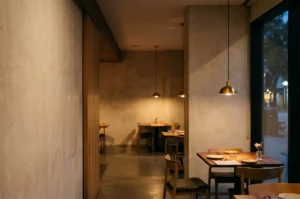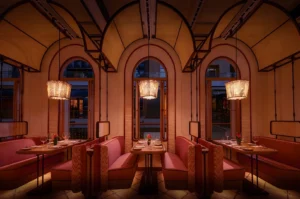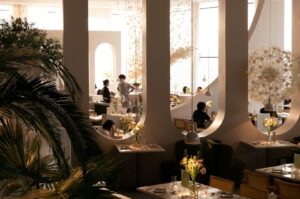
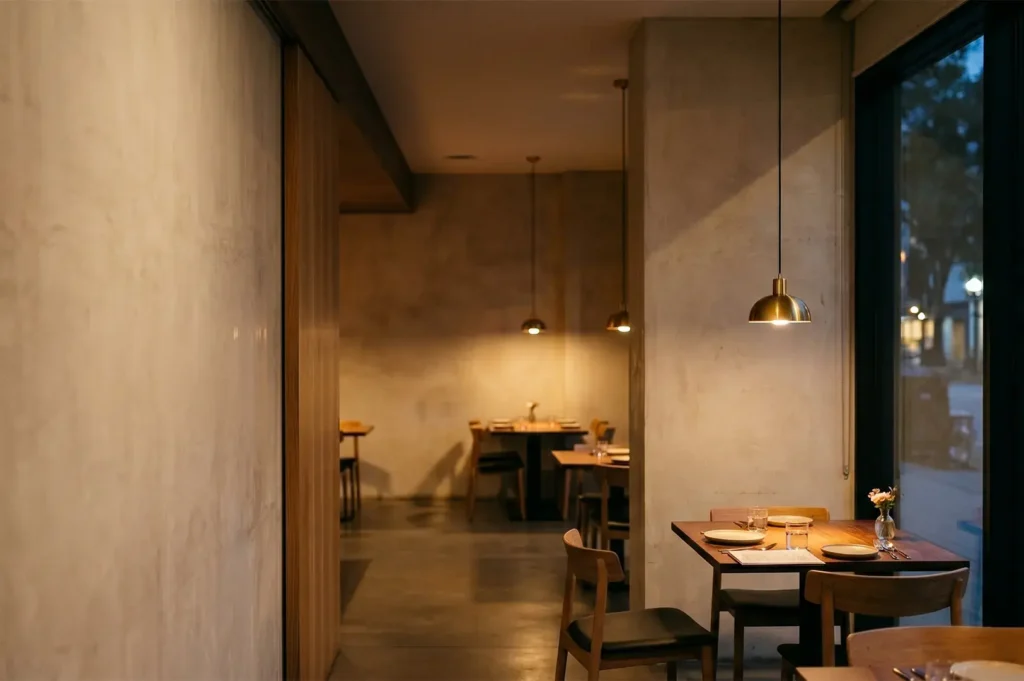
I remember leaving a restaurant in Singapore one evening, not recalling every dish but vividly feeling the night’s atmosphere. The warm, low light and the chef’s soft stories about his fishing village created a quiet moment where the food demanded attention. That night, I thought less about flavor and more about feeling. This, to me, is the essence of experiential dining Singapore embraces. Dining is no longer just about eating; it’s about feeling, being moved, and creating memories. In our fast-paced city, the value of a meal is measured by what lingers in us afterward, not just what’s served.
What Is Experiential Dining?
Experiential dining transforms a meal into a full evening experience where food remains vital but is part of a larger story. It includes the welcome, course rhythm, ingredient stories, and lasting feelings.
More Than Just Eating – Dining has evolved into entertainment and storytelling. Chefs and servers engage guests with performances and narratives, making meals interactive. Immersive dining experiences turn eating into participatory theater, often featuring a seven-course set menu or a five-course meal that surprises with each dish.
The Difference Between a Meal and a Memory – Memorable meals connect emotionally, creating lasting impressions beyond taste. Sensory triggers like warmth, surprise, and unique presentations help imprint these moments. Singapore’s top restaurants design for memory, not just satisfaction, often offering cocktail pairing options to enhance the experience.
Why Singapore Is Embracing Experiential Dining: The Rise of Ocean Restaurant
Singapore’s unique blend of wealth, curiosity, and cultural openness has fostered a mature dining scene that demands more than novelty. Diners are now sophisticated, asking about ingredient origins, cooking techniques, and the story behind each dish. This curiosity pushes restaurants to prioritize intention over extravagance.
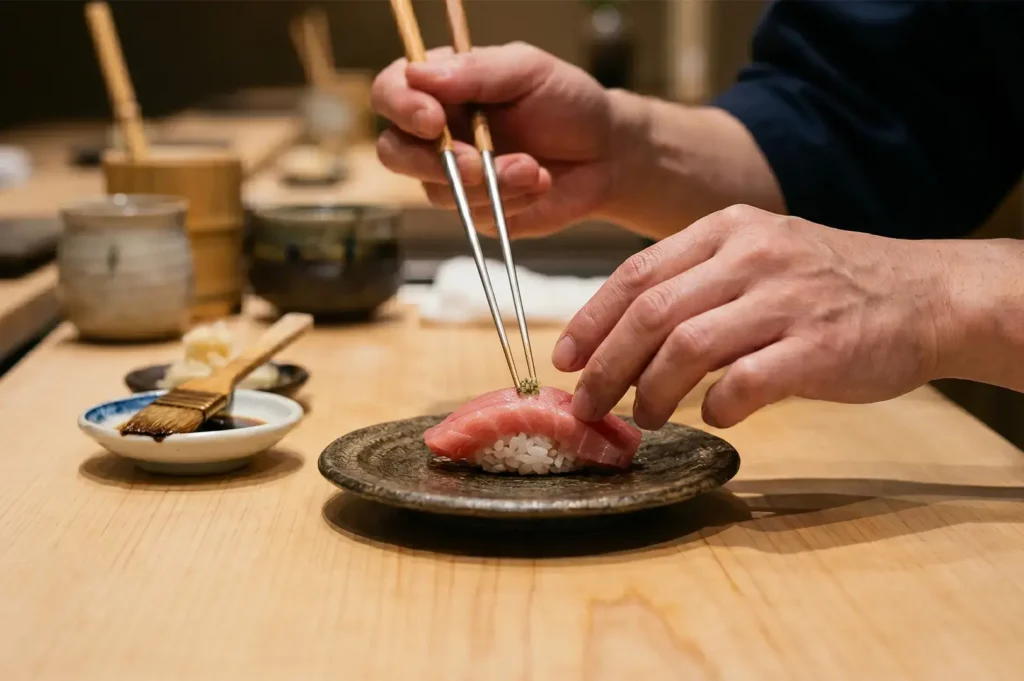
The rise of fine dining and chef’s table experiences, including omakase counters, has reshaped expectations. Sitting close to the chef creates intimacy, turning meals into personal gifts rather than mere service. This evolution reflects Singapore’s deepening appreciation for craftsmanship and connection in dining. Many experiences cater carefully to dietary restrictions, ensuring every guest feels included.
The Elements That Create a Memorable Dining Experience
After many years of eating out, I have come to believe that a great experience rests on a few quiet pillars. None of them is about cost. Each is about care.
Storytelling Through Food – Chefs use food to share personal stories—childhood memories, traditions, or journeys. When a chef reveals why a recipe matters, the dish gains meaning beyond ingredients. Meals can unlock cultures, like Jeju Haenyeo Singapore, which blends storytelling with seafood dishes from Jeju Island, including special items like dombe pork.
Atmosphere and Design – Ambience shapes us before the first bite. Lighting sets mood, music supports without distracting, and seating affects connection to others and the kitchen. Architecture and textures create themed spaces that feel separate from reality. Some use multi-room formats, guiding guests through an adventure where moving from one room to the next, such as stepping through the rabbit hole in Wonderland Upside Down, becomes part of the fun.
Hospitality and Human Connection – Genuine hospitality is key. Thoughtful service means being cared for, not processed. The best staff read tables instinctively, knowing when to engage or step back.
These hospitality experiences are built on small, human touches: remembering a name, anticipating a need, offering warmth without performance. At Nox — Dine in the Dark, visually impaired guides help guests dine through a mystery menu of 12 dishes in complete darkness, showing how care can shape even a dark experience. Luxury, in this sense, is attention. It is someone deciding that your evening matters.
Immersive Dining Experience Trends Shaping Singapore
The movement manifests across Singapore in distinct ways, each deepening the guest-kitchen connection.
Chef’s Tables and Counter Dining – Intimate counter dining lets guests watch the chef’s craft up close, creating a personal, unforced experience.
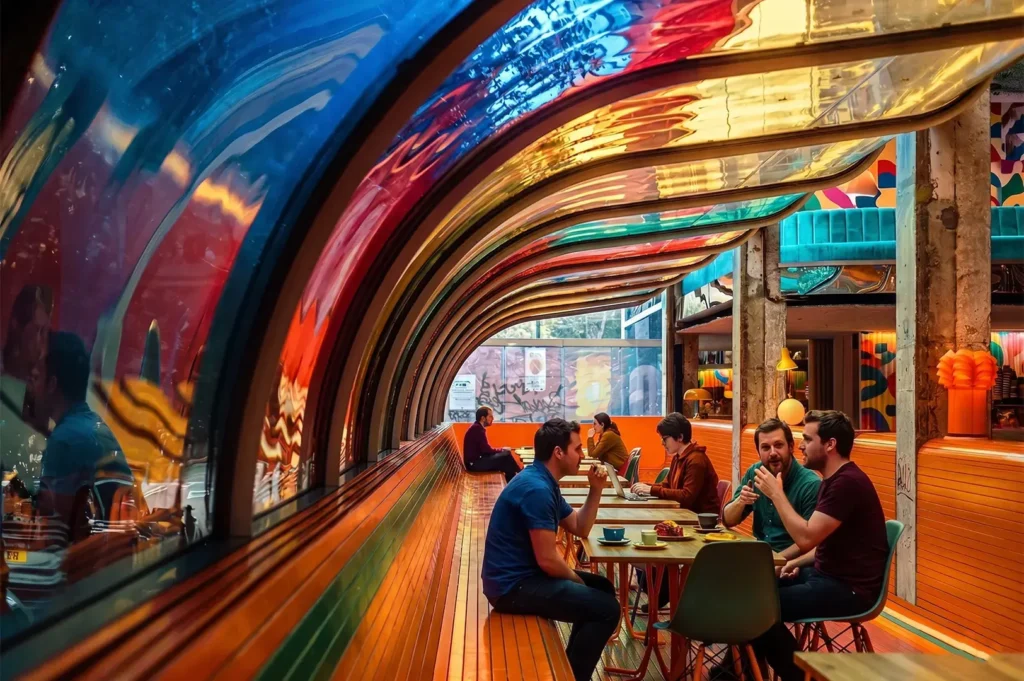
Interactive and Immersive Dining Concepts – Some venues invite diners to engage directly, blurring lines between creator and guest for unforgettable nights. For example, Absurdities takes you through multiple floors with surprises behind every door, including a Moroccan tent and a next room that challenges expectations.
Multi-Sensory Dining Experiences: At Ocean Restaurant in the Equarius Hotel, sustainably sourced seafood and marine views enhance the sensory journey. Cavern Restaurant, Singapore’s first cave dining spot, offers seafood inspired by Malaysian caves. Some experiences also offer non-alcoholic options and cocktail pairing options to suit all preferences.
Seasonal and Limited-Time Menus – Exclusive, fleeting menus or special settings like Smith Marine Floating Restaurant’s seven-course seafood set create unique occasions, enhanced by sea breeze and dishes like chilli crab. These events often require booking in advance with non-refundable and non-exchangeable tickets sold for event Friday or event Saturday sessions.
What Diners Should Look for in a Great Experiential Dining Experience
Not every concept that calls itself experiential earns the title. Over time, I have learned to look for a few honest signals:
Authenticity: a clear point of view that feels true rather than borrowed.
Genuine hospitality: care that reads as sincere, not scripted.
Storytelling: a narrative that gives the food meaning.
Ingredient quality: excellence at the foundation, beneath any flourish.
Thoughtful pacing: a rhythm that lets the evening breathe.
Emotional resonance: something you feel, not just admire.
There are warning signs too. Be wary of concepts that lean entirely on gimmicks, where the novelty fades the moment the surprise wears off. Be cautious of experiences that prioritize spectacle over substance; theatrics cannot rescue a meal that has forgotten how to nourish. The best restaurants use immersion to elevate the food, never to disguise its absence.
Why Experiential Dining Represents the Future of Hospitality
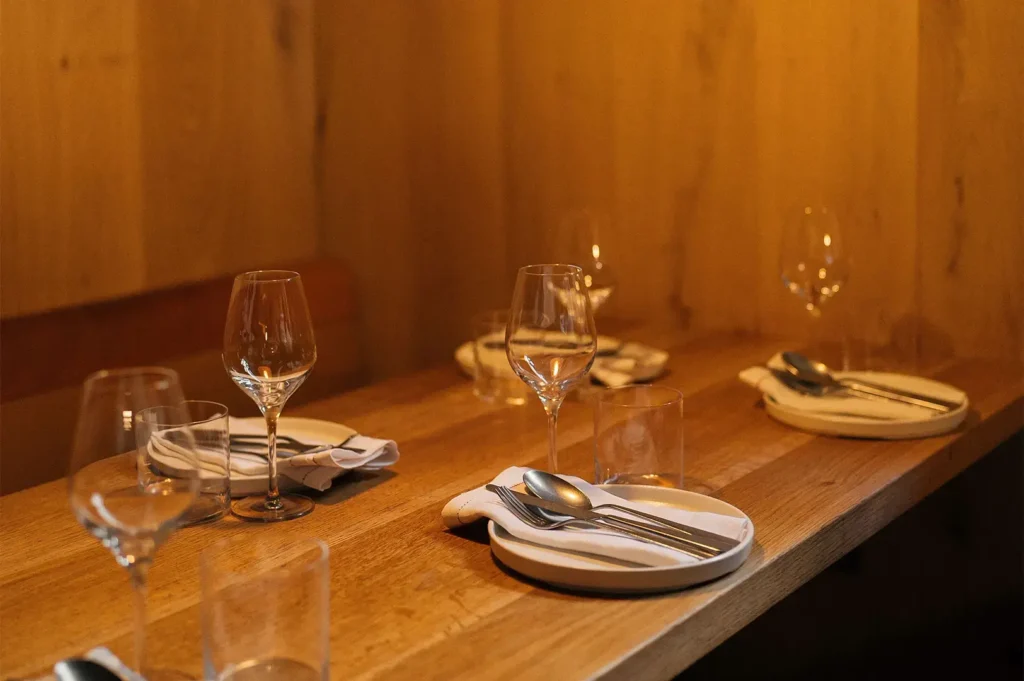
This movement is more than a trend; consumer expectations have shifted to value feeling, attention, and memory over abundance. We now live in an experience economy, where hospitality naturally thrives. For those seeking intentional, personalized gatherings, private dining in Singapore blends privacy, intention, and luxury into memorable occasions.
Singapore is well positioned for this future with sophisticated diners, ambitious chefs, and an open city. From a floating restaurant to whimsical experiences like Wonderland Upside Down, the city offers diverse unique dining experiences. Whether visiting themed cafes in Kampong Glam or enjoying a wizard’s brew bar inspired by Harry Potter, Singapore’s immersive dining caters to all tastes.
Many venues offer gift vouchers, perfect for special occasions or securing spots at popular event Fri or event Sat sessions. As hospitality evolves, Singapore is set to remain Asia’s leading dining destination not just for its delicious food but for how it makes people feel. Expect immersive experiences that transport each person on a unique trip around the world, where every detail—from drinks to dishes—is crafted to delight the senses and create lasting memories.
Final Thoughts: The Non-Exchangeable Experience
Reflecting on the meals that shaped me, I rarely recall exact dishes but remember the warmth of the room, the chef’s generosity, and the comfort of being present with loved ones. This is the essence of experiential dining: memories rooted in feeling rather than flavor. This movement enriches Singapore’s food culture by emphasizing connection and care, turning ordinary dinners into lasting moments.
If this speaks to you, explore more with Luxury Dining SG for thoughtful features, refined experiences, and stories behind Singapore’s memorable tables.