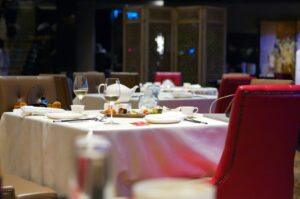
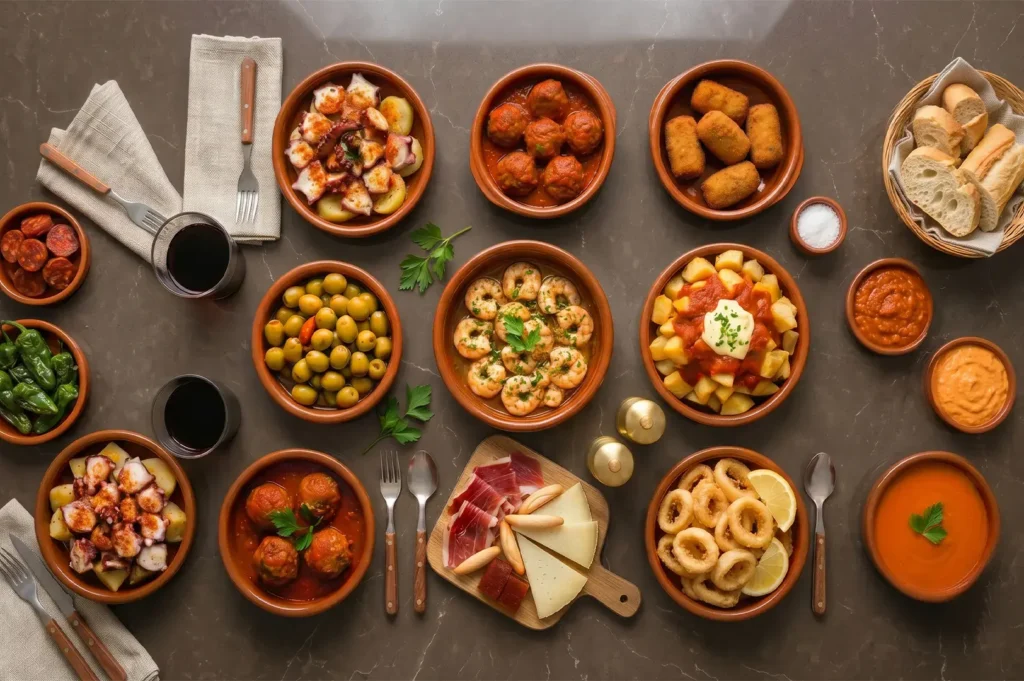
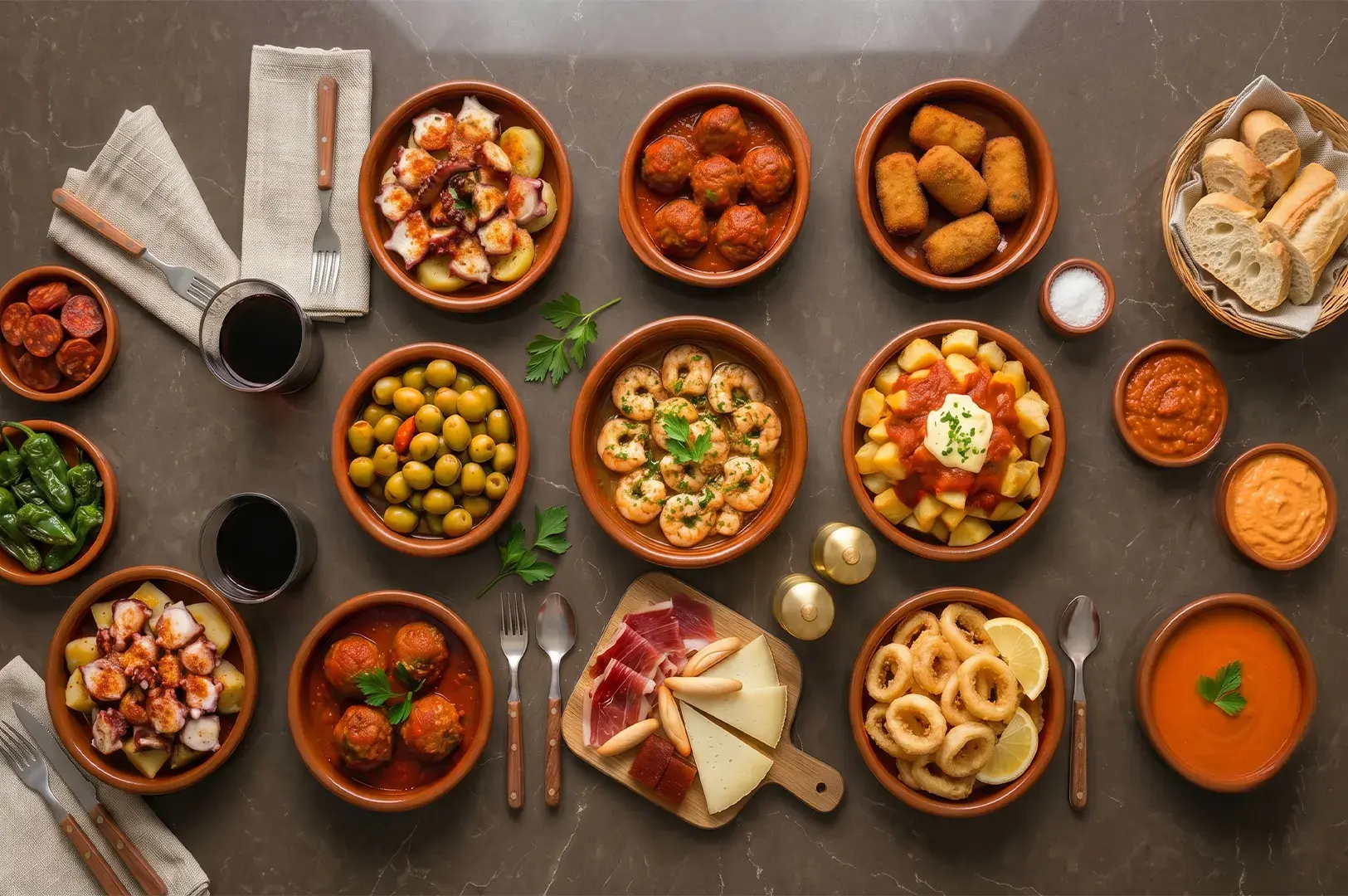
We still remember our first proper Spanish meal in Singapore. A friend had booked a small tapas bar in Tanjong Pagar, and we walked in expecting a quiet dinner of a few snacks. Two hours later, we were on our third bottle of wine, the table was crowded with little plates, and we had completely misjudged how the whole experience worked. We ordered far too little at first, then far too much once we caught on. It was delicious, slightly chaotic, and one of the best meals we had eaten in years.
That evening taught us something we keep coming back to in our writing: Spanish food is less about a single dish and more about a rhythm. If we understand the rhythm, we understand the cuisine. So whether we are planning a date, a group celebration, or simply a meal worth remembering, here is what we have learned about enjoying Spanish food in Singapore properly.
What Authentic Spanish Gastronomy Actually Is
Many assume Spanish cuisine is just tapas and paella, but these are only entry points. Tapas are small plates for sharing, while Spain offers grilled seafood, slow-roasted meats, hearty stews, cured hams, and regional specialties reflecting Spanish gastronomy and culture. Key ingredients include olive oil, garlic, saffron, smoked paprika, and fresh herbs. Spanish food is generally not spicy; smoked paprika adds warmth and depth without heat. Those expecting chili-level spice often find authentic flavours gentle and aromatic instead.
Insider knowledge: People often confuse Spanish and Mexican food. They are entirely different. Spanish cooking is built on olive oil, seafood, and cured meats; the fiery chili-forward dishes we might picture belong to Mexico, not Spain.
The Dishes with Authentic Flavours Worth Knowing Before We Go
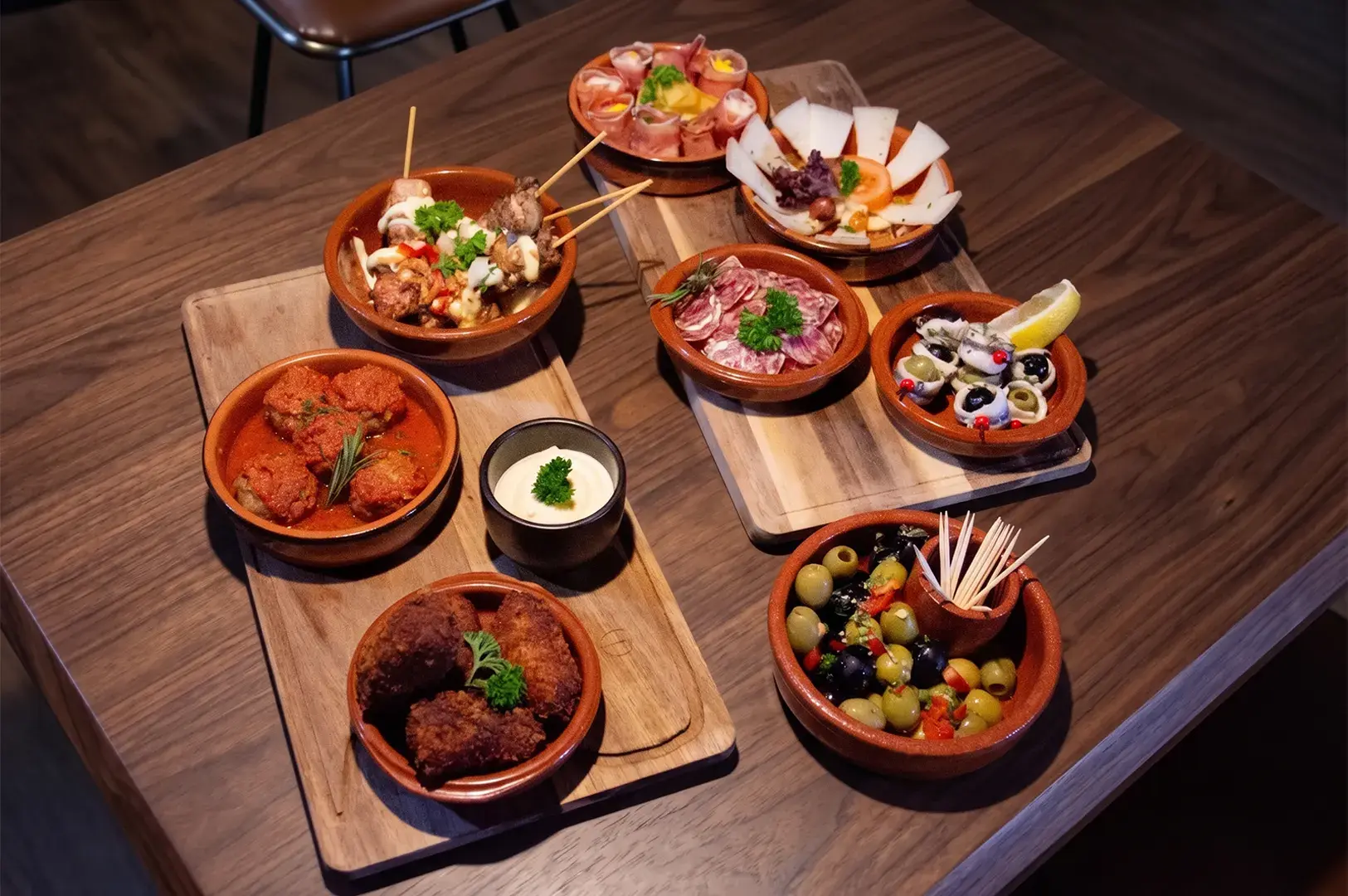
Menus can feel overwhelming when half the words are unfamiliar. We remember staring blankly at terms like pulpo and gambas al ajillo on our first visit. Here is a quick guide so we can order with confidence.
Tapas to start:
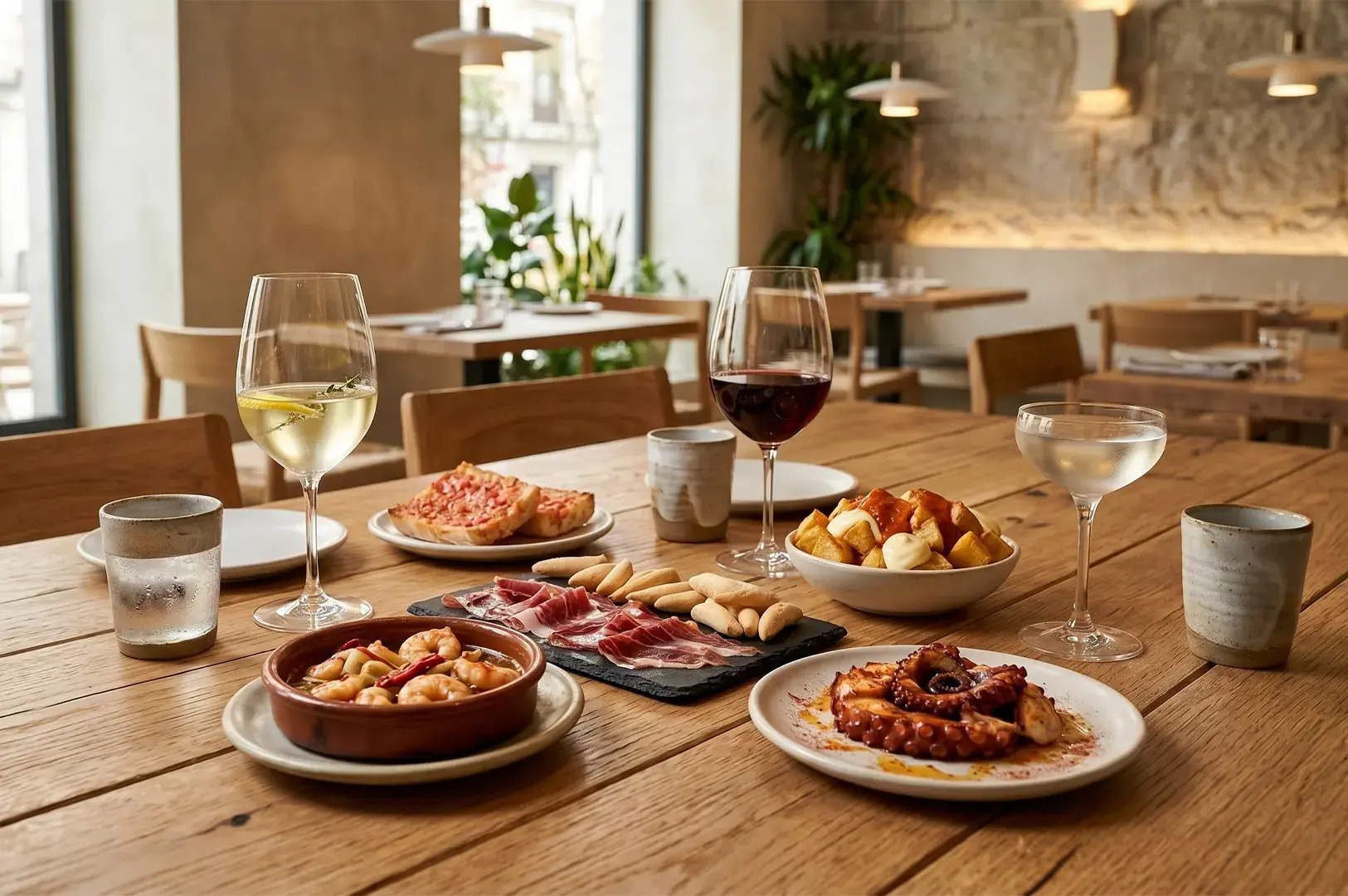
Jamon Iberico: Cured Iberian ham, ideally Bellota-grade. Look for fine marbling, a nutty aroma, and a texture that almost melts.
Croquetas: Creamy, breaded, and fried. A reliable crowd-pleaser.
Patatas Bravas: Fried potatoes with a smoky, slightly tangy sauce, and a signature dish at many Spanish restaurants.
Pan con Tomate: Toasted bread rubbed with tomato, garlic, and olive oil. Simple and brilliant.
Gambas al Ajillo: Prawns sizzling in garlic and olive oil, often seasoned with a touch of dried chilli for a subtle kick.
Pulpo: Octopus, often grilled or served Galician-style with paprika, and ideally soft rather than chewy.
Mains to share:
Seafood Paella: The classic, and a traditional Spanish dish from Valencia. Saffron rice studded with prawns, clams, mussels, and squid.
Black Squid Ink Paella: Dramatic in color, rich in flavor.
Fideua: Paella’s lesser-known cousin, made with short noodles instead of rice.
Iberico Pork: Tender, full-flavored, and often grilled.
Desserts to finish:
Basque Cheesecake: Caramelized on top, creamy inside. Our personal favorite.
Churros: Fried dough with chocolate for dipping.
Crema Catalana: Spain’s answer to crème brûlée.
How to Order Spanish Food the Right Way
This is where most first-timers stumble, ourselves included. Spanish dining follows a loose progression, and once we know it, the whole meal flows naturally.
Step 1: Start with tapas. Order a few small plates to open the appetite and get conversation going. Croquetas, patatas bravas, jamon, and pan con tomate are safe, satisfying choices.
Step 2: Add seafood or protein. Bring in gambas al ajillo, grilled octopus, or some Iberico pork. These dishes raise the energy of the meal before the main arrives.
Step 3: Order a main to share. This is our paella or fideua moment. One paella comfortably serves two to four people.
Step 4: Finish with dessert. A shared Basque cheesecake or a plate of churros is the perfect close and a sweet finish for the palate.
Pro tip: A good rule of thumb for portion planning is two to three tapas per person, one paella for every two to four diners, and one or two desserts to share. We learned this the hard way after ordering only two small plates for a table of four on our first try. We were still hungry and slightly embarrassed.
On Paella, Patience, and the Crispy Bit
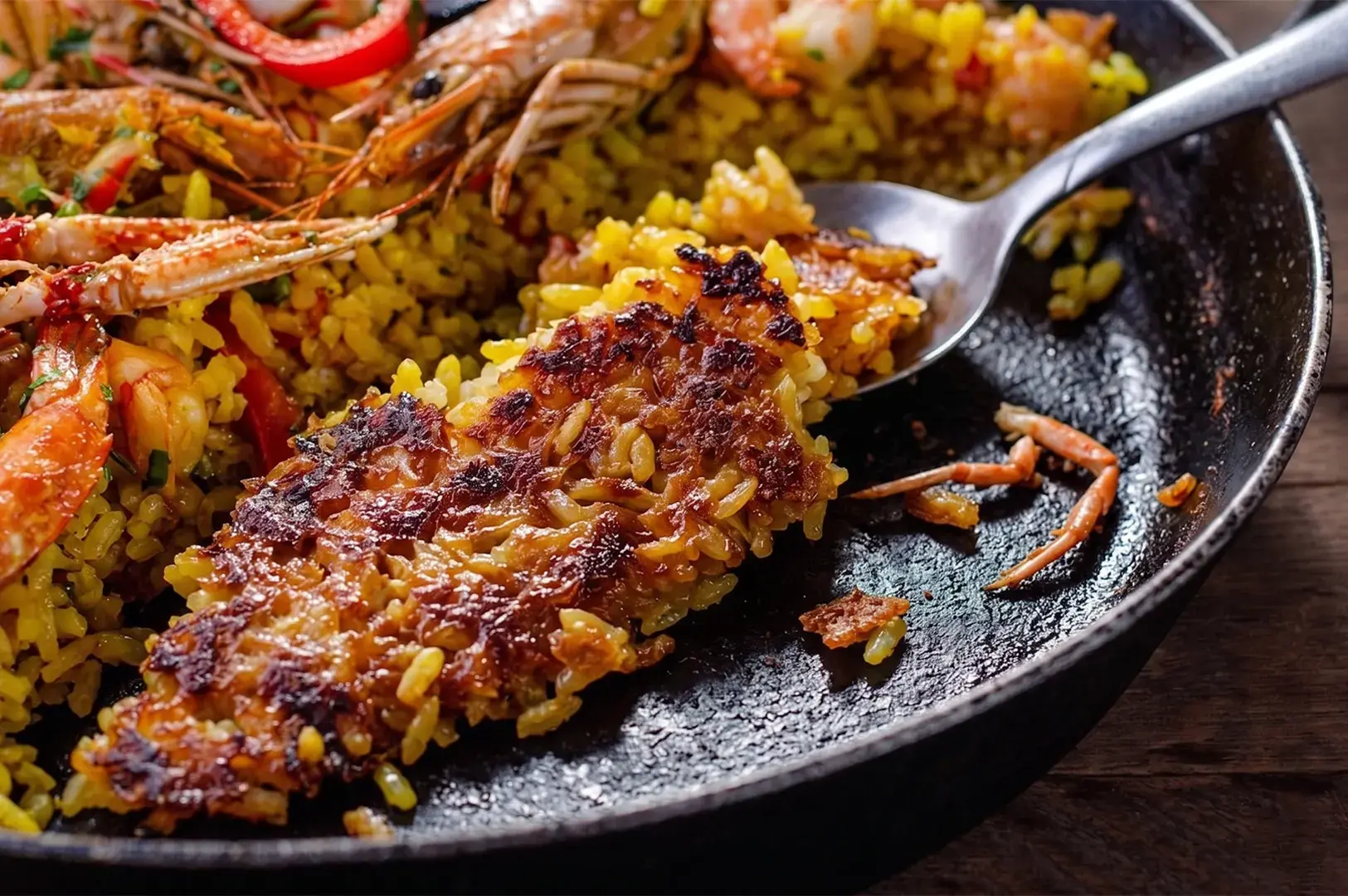
If there is one dish that trips people up, it is paella. Authentic paella is cooked to order, requiring 30 to 45 minutes or more at premium restaurants. We once saw diners grow impatient, thinking something was wrong. But good paella takes time. The reward is socarrat, the prized crispy, caramelized rice at the pan’s bottom, a hallmark of quality. When served, paella should show distinct grains with no excess liquid. Mushy or watery rice usually means it was rushed or pre-cooked.
Pro tip: Order paella early and enjoy tapas while it cooks, so timing works in your favor instead of leaving you hungry and waiting.
What to Drink: Vino Tinto and More
Spanish food and Spanish wines were made for each other, and the right pairing genuinely lifts the meal.
Cava: Spain’s sparkling wine. A lovely way to begin.
Albarino: A crisp white that pairs beautifully with seafood and paella.
Rioja: A versatile red from La Rioja, often listed as vino tinto, excellent with cured meats and grilled proteins.
Ribera del Duero: A bolder red for richer dishes like Iberico pork.
Sangria: Fun and casual, perfect for groups, though we tend to save it for relaxed afternoons rather than serious dining.
Many good Spanish places also offer wine by the glass. Don’t miss Spanish street cocktails when available; they add a refreshing twist and highlight Spanish mixology. A weak wine list often signals a less authentic kitchen, while a strong Spanish wines selection reflects a restaurant that values genuine flavours.
What a Spanish Restaurant Costs in Singapore
Let us be honest about budget, because it varies widely.
Casual tapas bars and wine bars: Roughly SGD 30 to 60 per person. Great for a relaxed evening.
Mid-range restaurants: Around SGD 60 to 120 per person, usually including several tapas, a paella, and drinks.
Premium Spanish dining: SGD 150 to 300 and beyond per person, often with tasting menus, premium wines, and imported ingredients.
Paella can feel expensive, but remember it is cooked fresh, uses saffron (one of the world’s costliest spices), and is built to share. Split between a few diners, it is usually better value than it first appears.
Where to Go and When
Spanish dining clusters in a few areas across Singapore, each with its own character.
Tanjong Pagar: Lively, with a strong office and expatriate crowd. Great for after-work tapas.
Duxton Hill: A boutique dining destination with intimate setting and characterful spots.
Orchard Road: Home to premium hospitality venues and polished dining rooms, including Binomio, considered one of the best Spanish restaurants. If you are exploring the wider Orchard and Somerset dining district, our guide to the best Somerset food spots for rice bowls, pastries, and more highlights additional dining experiences worth discovering nearby.
Robertson Quay: Relaxed and riverside, ideal for an unhurried evening; Tapas 24 is the first Asian outpost of a Barcelona restaurant and brings Barcelona’s energy to Singapore’s riverside.
Dempsey Hill: Known for its lush greenery and cozy restaurants, Dempsey Hill is home to Tinto, where guests can enjoy traditional Spanish dishes in a warm, laid-back atmosphere.
We generally prefer lunch for value and ease, thinner crowds, better set menus, and simpler reservations. Dinner offers the full menu, richer atmosphere, and wider wine selection.
Pro tip: Popular Spanish establishments fill up fast on weekends and Tuesday evenings. Book one to two weeks ahead, earlier around public holidays. We’ve been turned away on Friday nights for not planning ahead.
Common Mistakes to Avoid
A few errors we have made (or watched others make) so you do not have to:
Under-ordering at the start. Two tapas for a group is not enough. Order generously and add gradually.
Treating tapas as full meals. They are designed for sharing and grazing, not as individual mains.
Expecting paella instantly. Build the wait into your plan.
Ordering everything at once on a date. We find a slower pace works far better. Start with wine and a couple of tapas, then add dishes as you go. It keeps the evening relaxed and unhurried.
Ignoring the wine list. The pairing is half the experience.
Final Thoughts
What we love most about Spanish food is how naturally it fits the way we already like to eat in Singapore. We share, we order across the table, we appreciate good seafood and bold, honest flavors that awaken our taste buds. Spanish dining rewards exactly that instinct. There is no rush, no rigid formality, just good food meant to be enjoyed slowly and together.
One little Spanish place that truly embodies this passion is My Little Spanish Place, led by chefs including Edward Esmero, who brings his strong Spanish heritage from the Philippines to the table. It’s a slice of authentic Spain right here in town, where the warmth of the barrio atmosphere and attentive service make every occasion special.
So go in with a little knowledge, order generously, be patient with the paella, and let the meal unfold at its own pace. You will likely walk out, as we did that first night, already craving your next visit and eager to hear the news about new dishes or events.
If you enjoyed this guide, do visit Luxury Dining SG for more articles like this one. We are always exploring the dishes, restaurants, and dining experiences worth knowing about, and we would love to help you discover your next memorable meal, taking into account the rich life and vibrant form of Spanish gastronomy.