I have spent years watching chefs work, and I have come to believe that the most interesting tension in any serious kitchen is not between tradition and innovation. It is between creativity and precision. The two are often spoken of as if they were the same impulse, or as if one naturally produces the other. They do not. They pull in different directions, and the chefs I admire most are the ones who hold them in balance without letting either win.
Creativity is the easier of the two to romanticize. We celebrate the chef who imagines a dish no one has tasted before, who pairs flavors that should not work and somehow makes them sing. But I have eaten enough of these dishes to know the truth: creativity without precision is unreliable. A brilliant idea executed inconsistently is not brilliance; it is luck repeated until it fails. I have had the same celebrated plate twice, weeks apart, and found them almost unrecognizable from each other. The concept was intact. The execution had drifted. That gap is where reputations quietly erode.
Precision, on its own, carries a different risk. A cook who can replicate a dish flawlessly, night after night, has mastered something genuinely difficult; consistency under pressure is a form of discipline most people underestimate. But precision without creativity becomes mechanical. The technique is immaculate and the result is forgettable. I have sat through meals like this, every element correct, nothing wrong, nothing said. The food answers a question no one was asking. It is competence mistaken for craft.
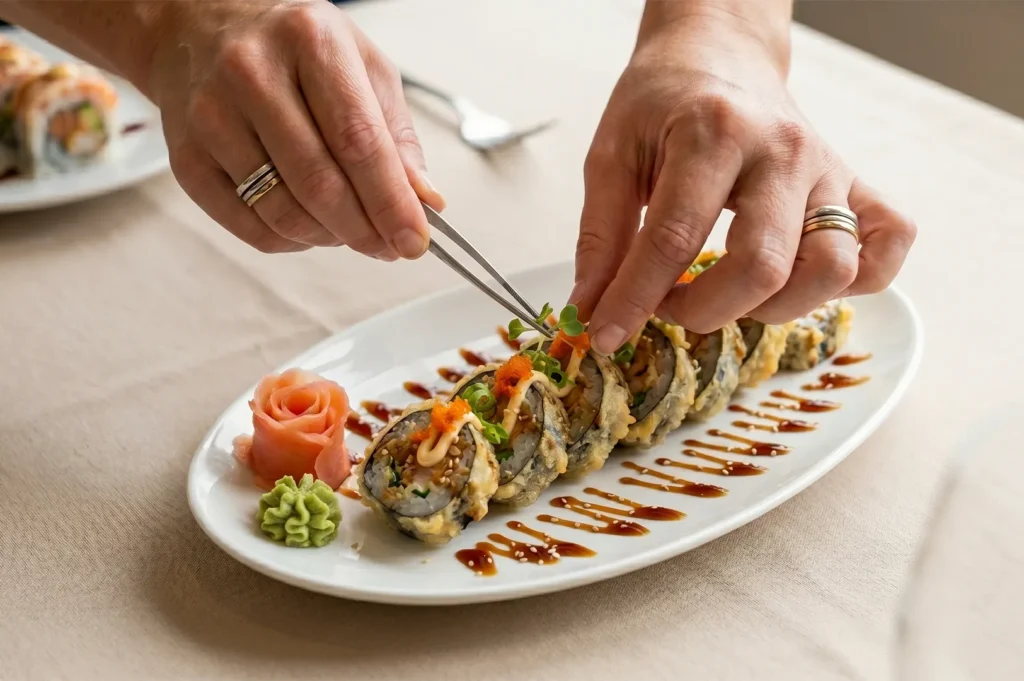
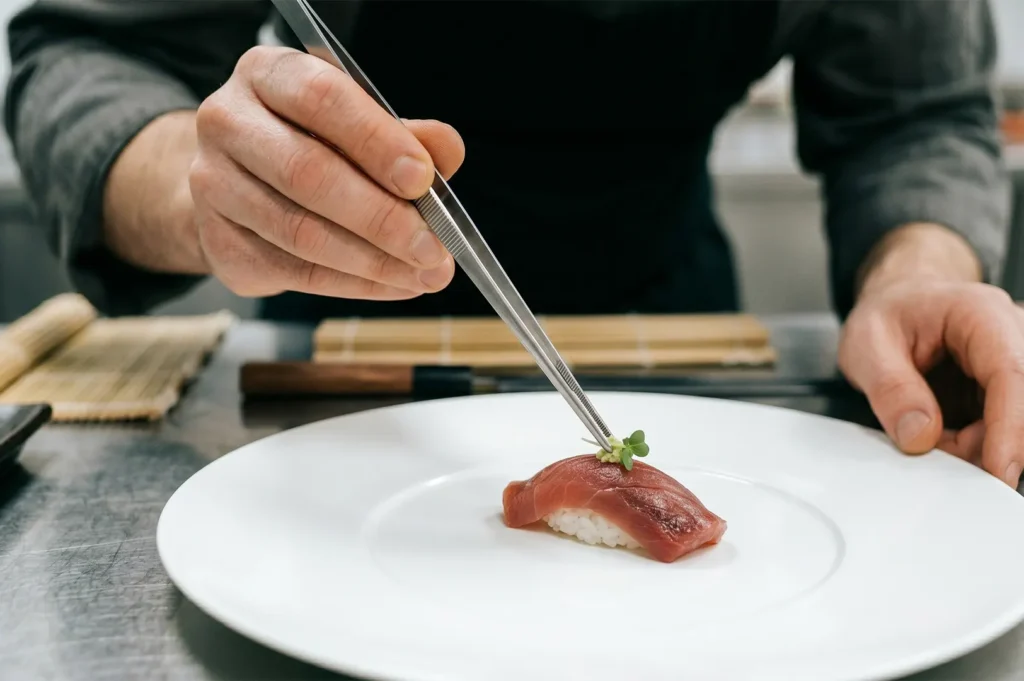
What separates the truly exceptional is that they refuse to choose. The finest chefs treat creativity and precision as two halves of a single act. The idea gives the dish its reason to exist; the technique gives it the means to exist faithfully, again and again, exactly as intended. I think of a chef adjusting the sear on a piece of fish by a few seconds, not to show off, but because the creative vision demands that specific texture, and precision is simply how that vision survives contact with a busy service.
This is the part diners rarely see. The creativity is what we notice; the precision is what makes the creativity trustworthy. A new idea that cannot be reproduced is a sketch, not a finished work. And a perfect reproduction of an empty idea is craftsmanship spent on nothing. The intersection is where intention and execution meet, where a chef can say this is exactly what I meant, and then prove it on the four-hundredth plate.
I have learned to look for that intersection. It reveals itself in small things: a dish that surprises me and then surprises me again the same way on a second visit, a flavor that feels both unexpected and inevitable. That is not accident, and it is not routine. It is a vision held steady by technique, repeated with such care that the care itself disappears into the experience.
The great chefs understand that imagination sets the destination, but precision is the road. You need both, or you arrive nowhere worth being.
“Creativity asks the question; precision keeps the answer true.”
For more reflections on craftsmanship, technique, and the philosophy behind exceptional dining, visit Luxury Dining SG.