I used to think great cooking was about what a chef added. More technique, more layers, more of that quiet showmanship that makes you nod between bites. It took me years, and more than a few humbling meals, to understand it is often the opposite.
Ingredient-led cuisine is about restraint. It is the discipline to leave things alone.
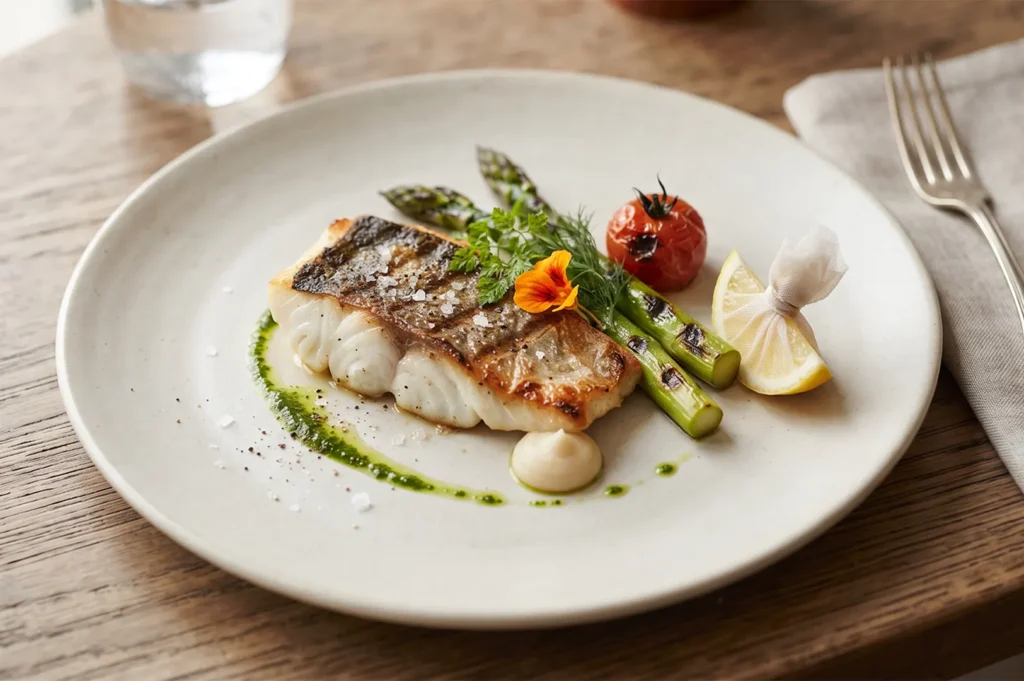
The first time this landed for me, I was eating a single piece of grilled fish. No sauce worth mentioning, a little salt, some heat, and time. The chef had done almost nothing to it. And yet it tasted more like itself than any elaborate dish I had eaten that month. I remember feeling slightly cheated, then slightly foolish, then genuinely moved.
Because that “almost nothing” is the hardest thing to do.
When you build a plate around the ingredient, you have nowhere to hide. A tired vegetable stays tired. A mediocre fish cannot be rescued by butter. The whole approach depends on sourcing, on knowing your suppliers, on understanding that the cook’s work began weeks earlier, at a farm or a market or a pre-dawn call about the day’s catch.
I think this is where the real craftsmanship lives. Not in the flourish, but in the decision. A good chef chooses; a great chef edits.
There is a kind of arithmetic to it. Every element on the plate has to earn its place, and anything that does not serve the main ingredient gets removed. I have watched chefs taste a component, pause, and quietly set it aside. That pause is the philosophy in action. It is precision expressed as subtraction.
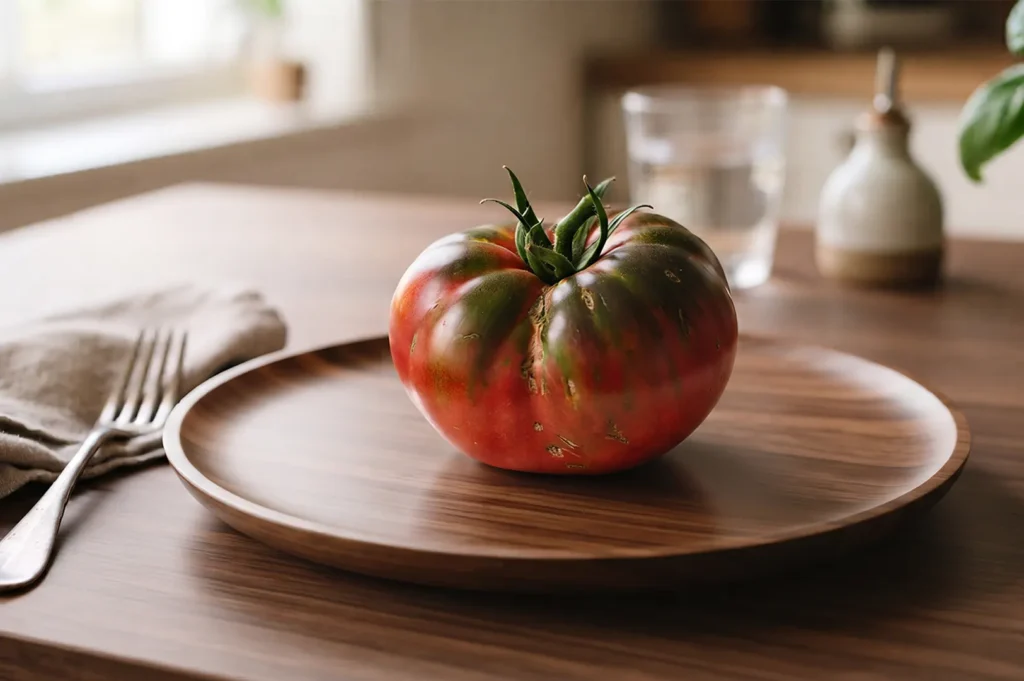
What I have come to appreciate is how seasonal this way of cooking forces you to be. You cannot demand a specific tomato in a month it does not exist; not honestly, anyway. So the menu bends to the calendar instead of the other way around. The season writes the first draft; the chef only edits. There is a humility in that, an acceptance that nature outranks the kitchen.
This is also why timing matters so much. An ingredient at its peak has a narrow window, and the cook’s job is to meet it there. A day early, a day late, and the whole intention shifts. I have had the same dish twice, weeks apart, and understood that I was tasting two different moments, not two different recipes.
People sometimes read this simplicity as a lack of effort. I understand the confusion. But the plainest-looking plate is often the most demanding, because there is no distraction, no clever sauce to argue over. The ingredient speaks, and either it has something to say or it does not.
That, to me, is the quiet contract of ingredient-led cooking. The chef promises to get out of the way. The ingredient promises to be worth it. When both hold up their end, you taste something that feels less invented than revealed.
I keep returning to these tables for that reason. Not to be dazzled, but to be reminded of what a single good thing tastes like when someone respects it enough to leave it alone.
“The finest cooking is not what you put in, but what you have the courage to leave out.”
If this is the kind of dining that speaks to you, explore more thoughtful stories and honest reviews at Luxury Dining SG.