I still remember my first “serious” steakhouse dinner in Singapore. I wanted to impress my guests, so I confidently ordered the most expensive Japanese Wagyu tenderloin on the menu and asked for it to be cooked medium rare. When the steak arrived, it was rich, but it lacked the deep, beefy flavor I was actually craving. I realized later that I had completely misunderstood what I was paying for. I had ordered based on price and prestige, rather than what I actually wanted to eat.
When I first tried to navigate Singapore’s premium steak scene, I found that the sheer variety of steak cuts and different steaks available was overwhelming. Our city offers more than just simple grilled meat. We have access to an incredible mix of international sourcing, dry-aging programs, Japanese and Australian Wagyu, and classic USDA Prime. Not all steaks are created equal, and knowing the cuts of steak is essential to ordering a good steak in Singapore.
If you are looking for the best steakhouse instead of an article educating you about steak cuts, then click here to direct you to the correct article that can satisfy your steak cravings.
Steak in Singapore: Why Understanding Different Cuts Matters
Steak looks simple on the surface. It is just beef, fire, and salt. However, the moment you open a premium steakhouse menu in Singapore, you are hit with a barrage of terminology and an array of cuts of steak. From the heavily marbled ribeye steak to the lean and tender filet mignon, each cut offers a unique flavor and texture experience.
Many first-timers worry about pronouncing cut names incorrectly or choosing the wrong doneness. I think the biggest anxiety point is simply not knowing what you are paying for. A S$200 price tag can feel unjustified if you do not understand the difference between a standard cut like a bottom sirloin and a 28-day dry-aged USDA Prime ribeye.
There are also a lot of misconceptions. For instance, I used to think that filet mignon was always the best choice because it is the most tender cut. While filet mignon is indeed tender and lean with a mild flavor, it lacks the fat and connective tissue that give other cuts like the ribeye or chuck eye steaks their rich, beefy taste. If you want a juicy, flavorful steak, you might prefer a bone-in striploin or a tomahawk steak, which are well marbled and packed with fat.
Cuts of Steak: A Guide to Popular Steak Cuts in Singapore
If you want to order steak with confidence, you need to know your cuts. Here is a simple breakdown of the most common steak cuts you will find on steakhouse menus in Singapore, including some butcher’s cuts that offer great value.
Ribeye Steak and Tomahawk Steak: The Rib Section Stars
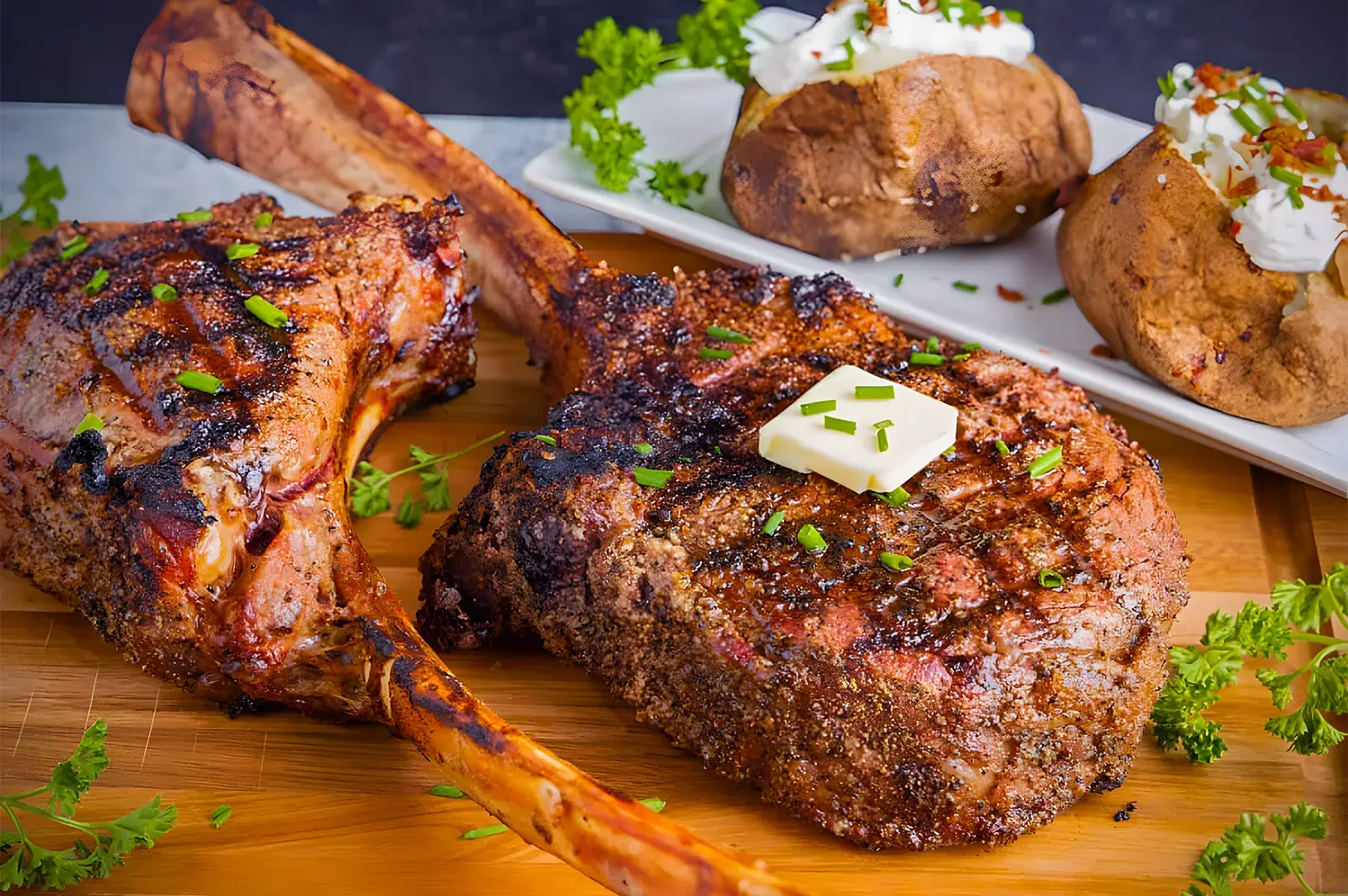
Ribeye steak is cut from the rib section of the beef and is known for being heavily marbled with fat, which gives it maximum tenderness and a rich, buttery flavor. The ribeye cooks quickly and is perfect for grilling or pan searing over high heat to develop a savory crust. The tomahawk steak is essentially a bone-in ribeye with a long bone left intact, making it a dramatic centerpiece for group meals. The long bone adds flavor during cooking and presentation, but you are paying for the weight of that bone as well.
New York Strip (Striploin) and T-Bone Steak: Two Cuts in One
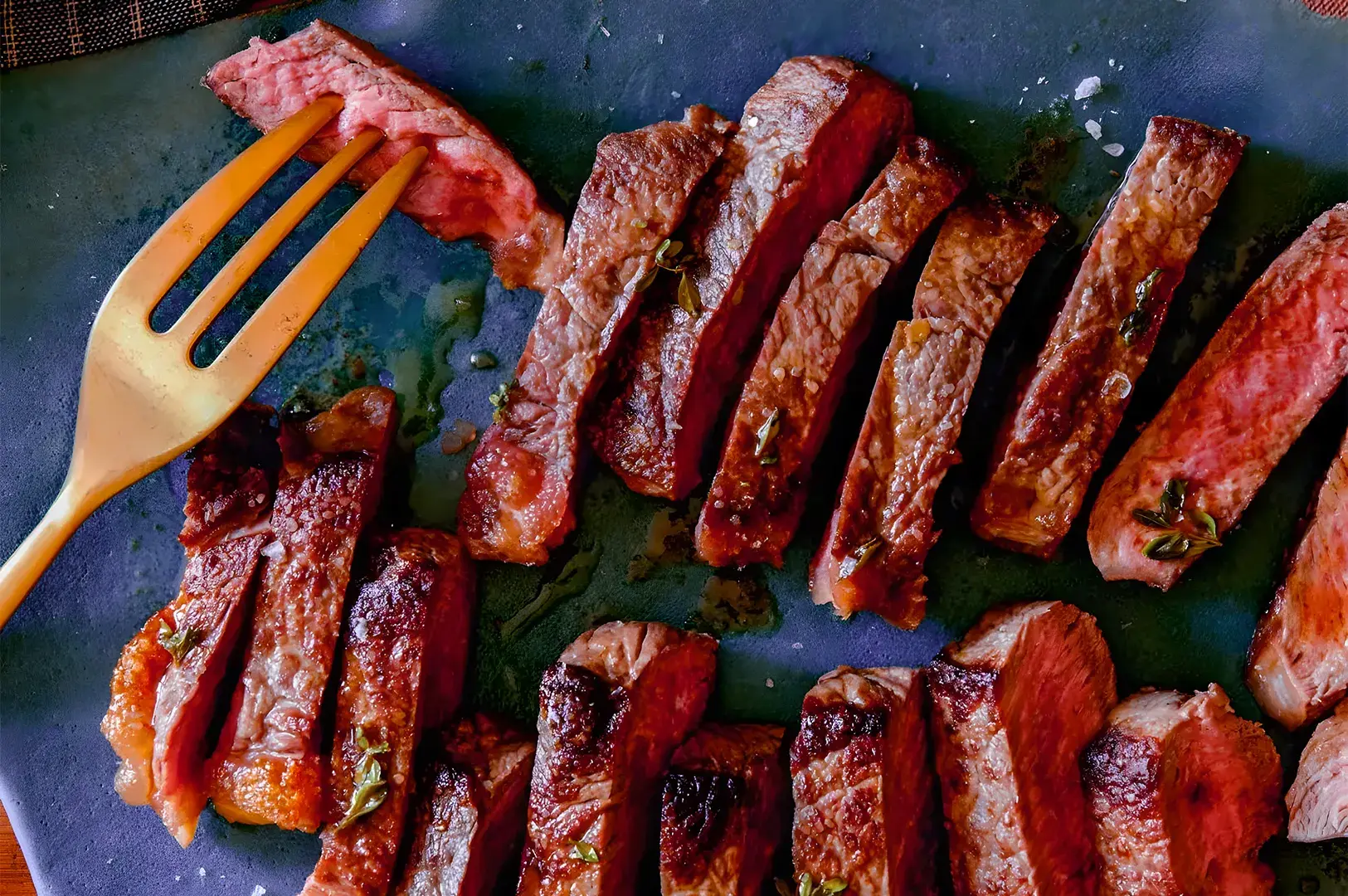
The New York strip, also known as strip steak or bone-in striploin, comes from the loin and has a tighter texture with a pronounced beef flavor. It is less fatty than ribeye but still well marbled and tender. The T-bone steak combines two cuts in one: a strip steak and a tenderloin separated by a T-shaped bone. This bone adds flavor and helps retain moisture during cooking. The porterhouse steak is a larger version of the T-bone with a bigger portion of tenderloin, perfect for sharing.
Filet Mignon and Tenderloin: The Tender Cut
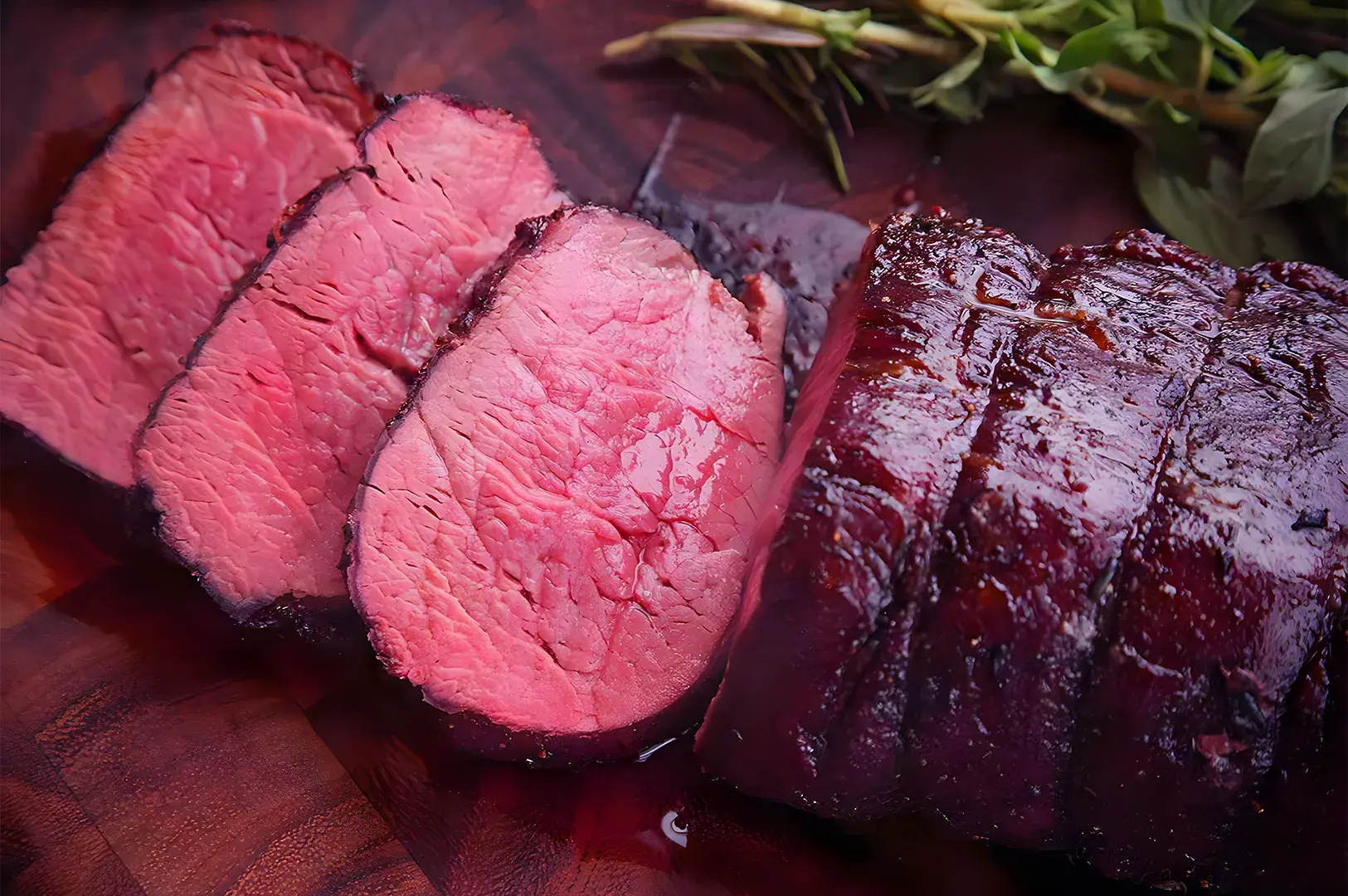
Filet mignon is a premium cut from the tenderloin, one of the least-used muscles in the cow, making it surprisingly tender with minimal connective tissue. It is very lean with a mild flavor, making it ideal for diners who prefer tenderness over fat content. Filet mignon is often served in medallions and is best enjoyed medium rare to maintain its delicate texture.
Flat Iron Steak and Chuck Eye Steaks: Butcher's Cuts with Big Flavor
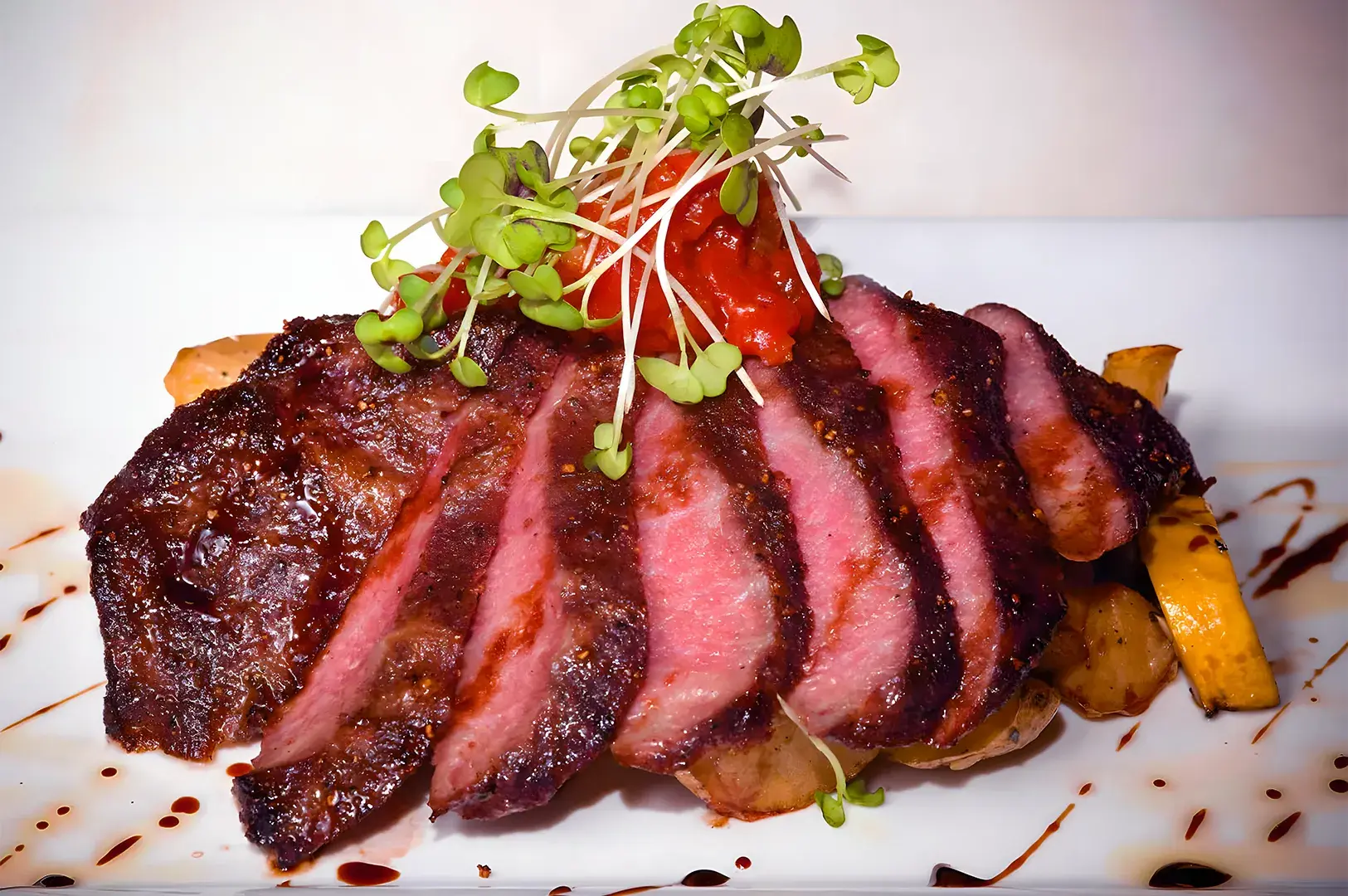
Flat iron steak, cut from the shoulder, is a surprisingly tender and well-marbled cut that is gaining popularity in Singapore. It is versatile and can be grilled quickly or pan seared, making it a favorite among steak lovers looking for value. Chuck eye steaks come from the chuck section near the ribeye and offer a similar rich flavor but at half the price. These cuts have more connective tissue but become tender when cooked properly, such as with sous vide or slow cooking.
Flank Steak and Skirt Steak: Flavorful Cuts for Quick Cooking
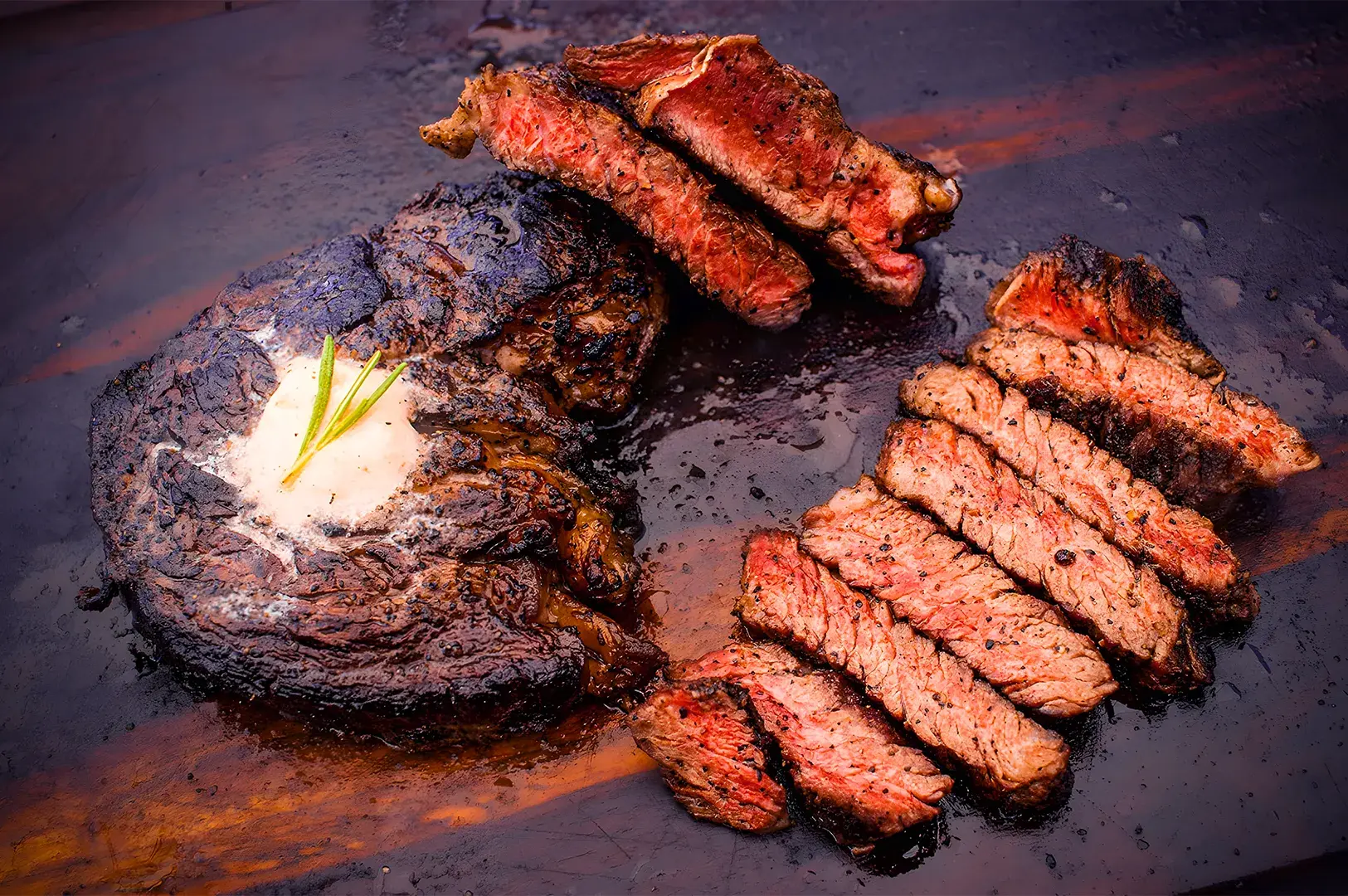
Flank steak is a large cut from the abdominal muscles of the cow, known for its rich flavor and lean profile. It is best marinated and grilled quickly to medium rare, then sliced thinly against the grain to maximize tenderness. Many steak lovers love flank steak for stir fries and fajitas because it absorbs marinades well. Skirt steak is similar but thinner and cooks quickly over high heat. Both cuts are excellent for those who enjoy bold, beefy flavors in their meals.
Bottom Sirloin and Tri Tip: Affordable Cuts for Slow Cooking and Grilling
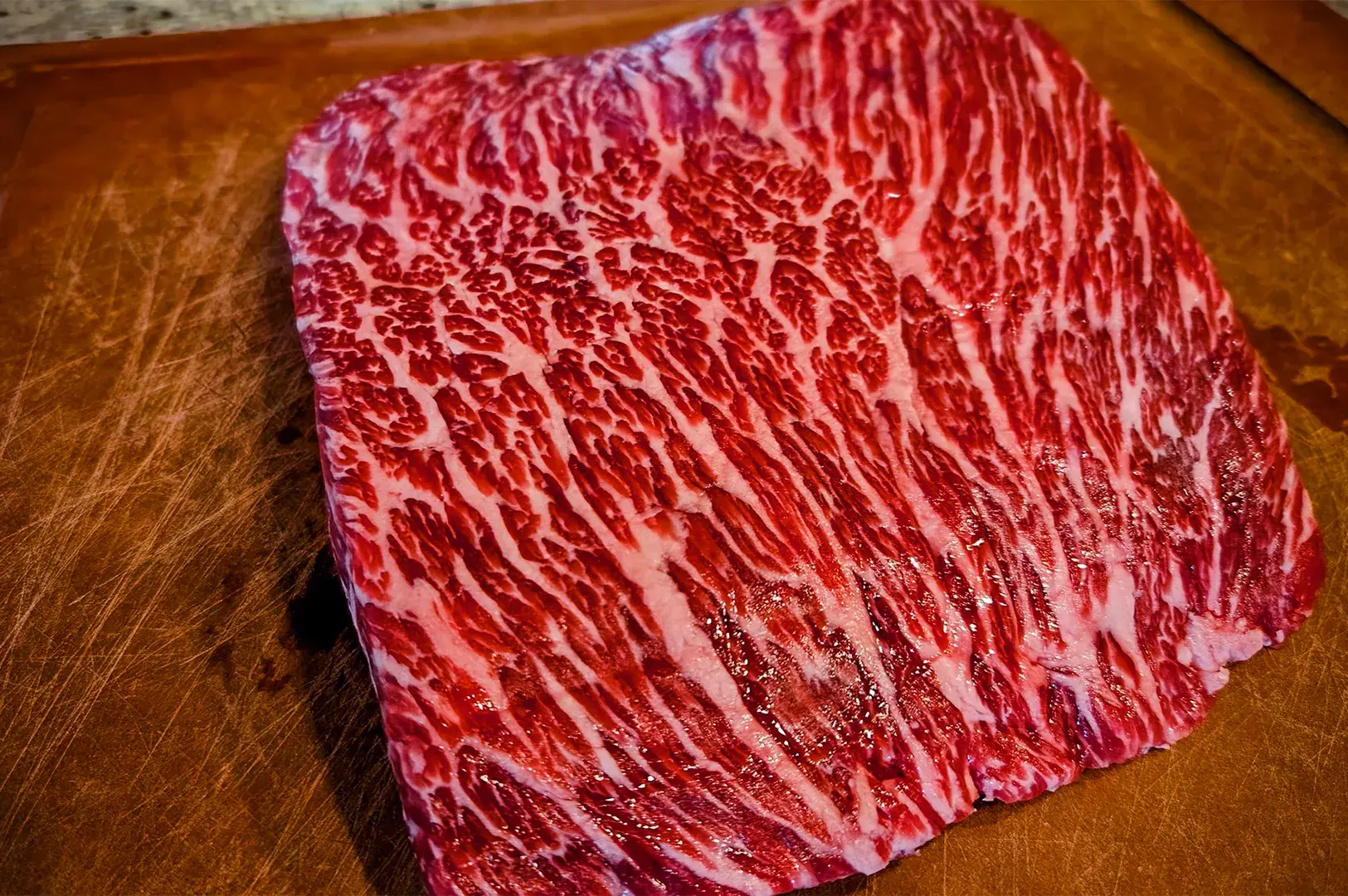
Bottom sirloin is a leaner, tougher cut often used for stew meat or sliced for stir fries. However, the tri tip, a triangular cut from the bottom sirloin, is a tender and flavorful option that cooks quickly on the grill and is perfect for roasting or slicing for sandwiches. Tri tip is sometimes called the “poor man’s brisket” because it offers great taste at a lower price point.
Teres Major: The Butcher's Cut Hidden Gem
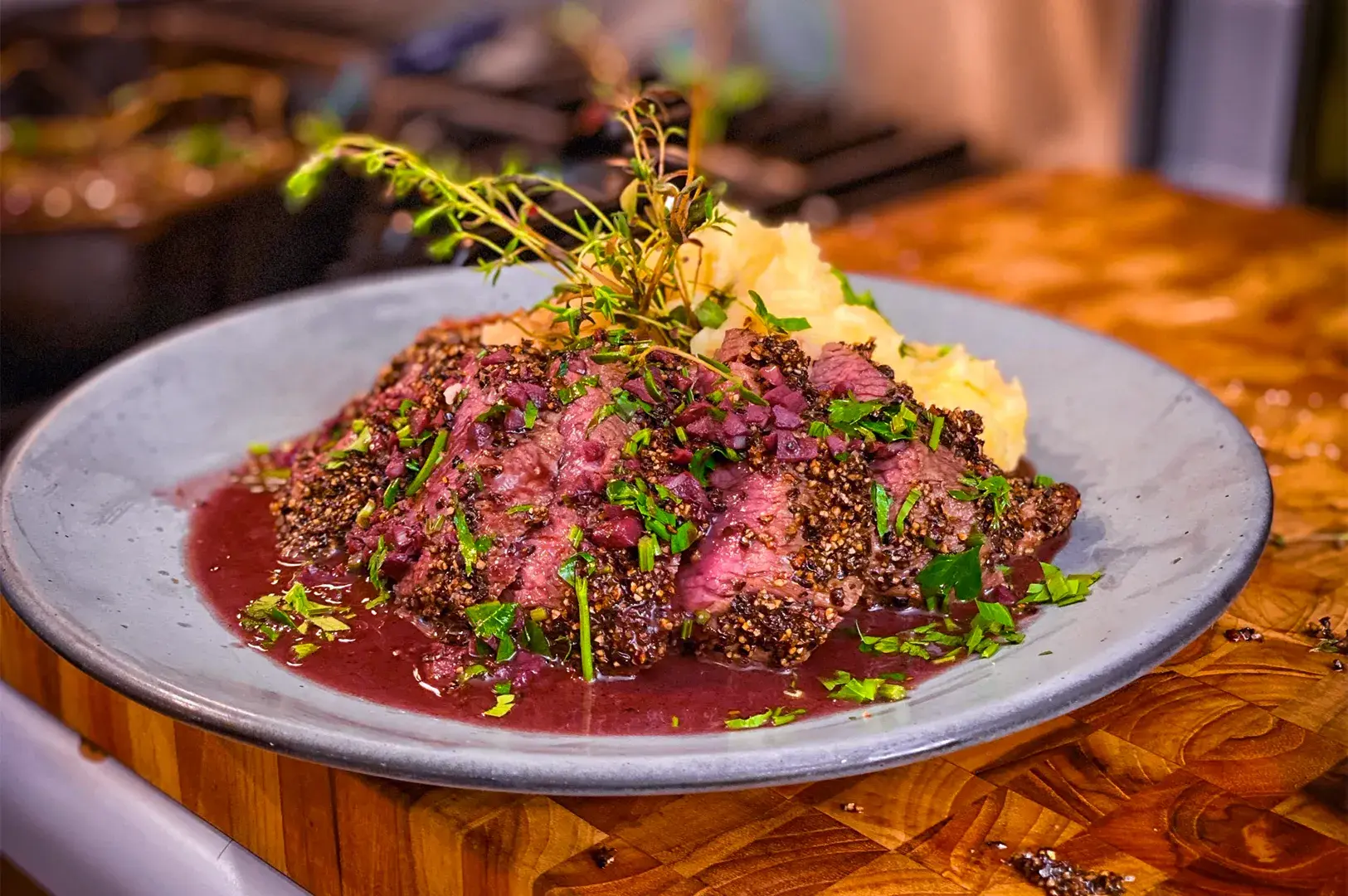
The teres major, sometimes known as the butcher’s cut, is a small, tender muscle from the shoulder that is often overlooked. It is a tender cut that can be served as steak or medallions and is half the price of filet mignon while offering comparable tenderness and flavor.
What You Are Really Paying For in Steak in Singapore
When you look at a steakhouse menu in Singapore, prices can range wildly. A casual neighborhood spot might charge S$40, while a luxury hotel restaurant can easily charge S$200 for a single steak. So, what are you actually paying for?
First, you are paying for the sourcing and the grade. Premium cuts like USDA Prime or Japanese Wagyu come from well-fed cattle with abundant marbling. The higher the grade, the higher the fat content, and the richer the flavor.
Second, you are paying for the aging process. Many premium venues offer dry-aged beef, which involves hanging the meat in a climate-controlled room for several weeks. This allows moisture to evaporate, concentrating the beef flavor and creating a deep, nutty, and almost cheesy taste profile. Dry-aged steaks like bone-in striploin or ribeye steak command a premium price due to this labor-intensive process.
Finally, you are paying for the craft and the environment. A great steakhouse employs chefs who understand how to manage high heat for pan searing or grilling quickly to develop a perfect crust without overcooking the interior. You also pay for polished service, a curated wine list, and an upscale atmosphere.
How to Cook and Order Steak for Maximum Enjoyment
Medium Rare: The Perfect Doneness for Most Cuts
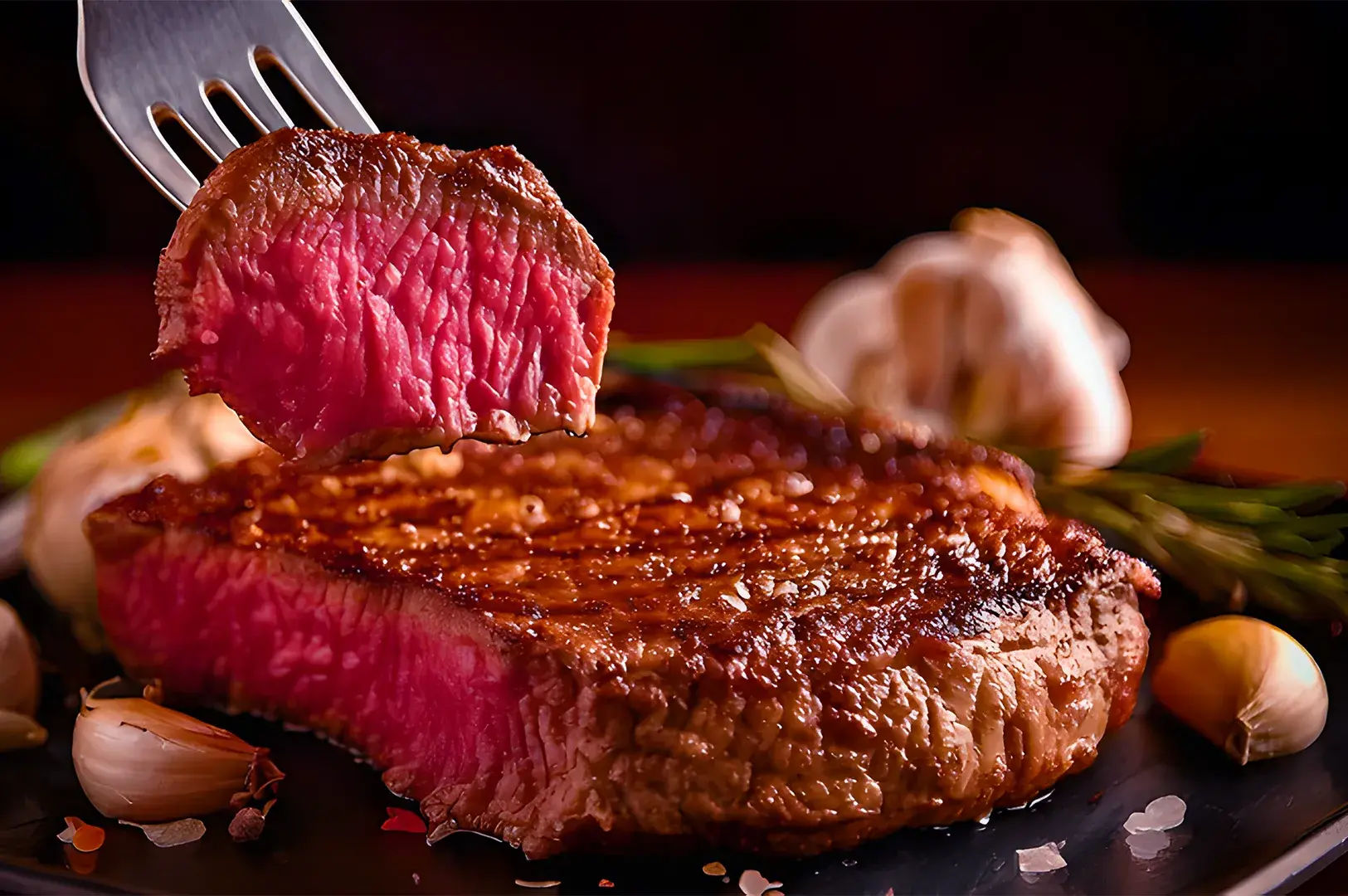
For most premium cuts like ribeye, strip steak, and filet mignon, medium rare is the recommended doneness. This leaves a warm red center that is juicy and tender. Cuts like skirt steak and flank steak also benefit from being cooked quickly to medium rare to avoid toughness.
Pan Searing and Grilling: Techniques to Enhance Flavor
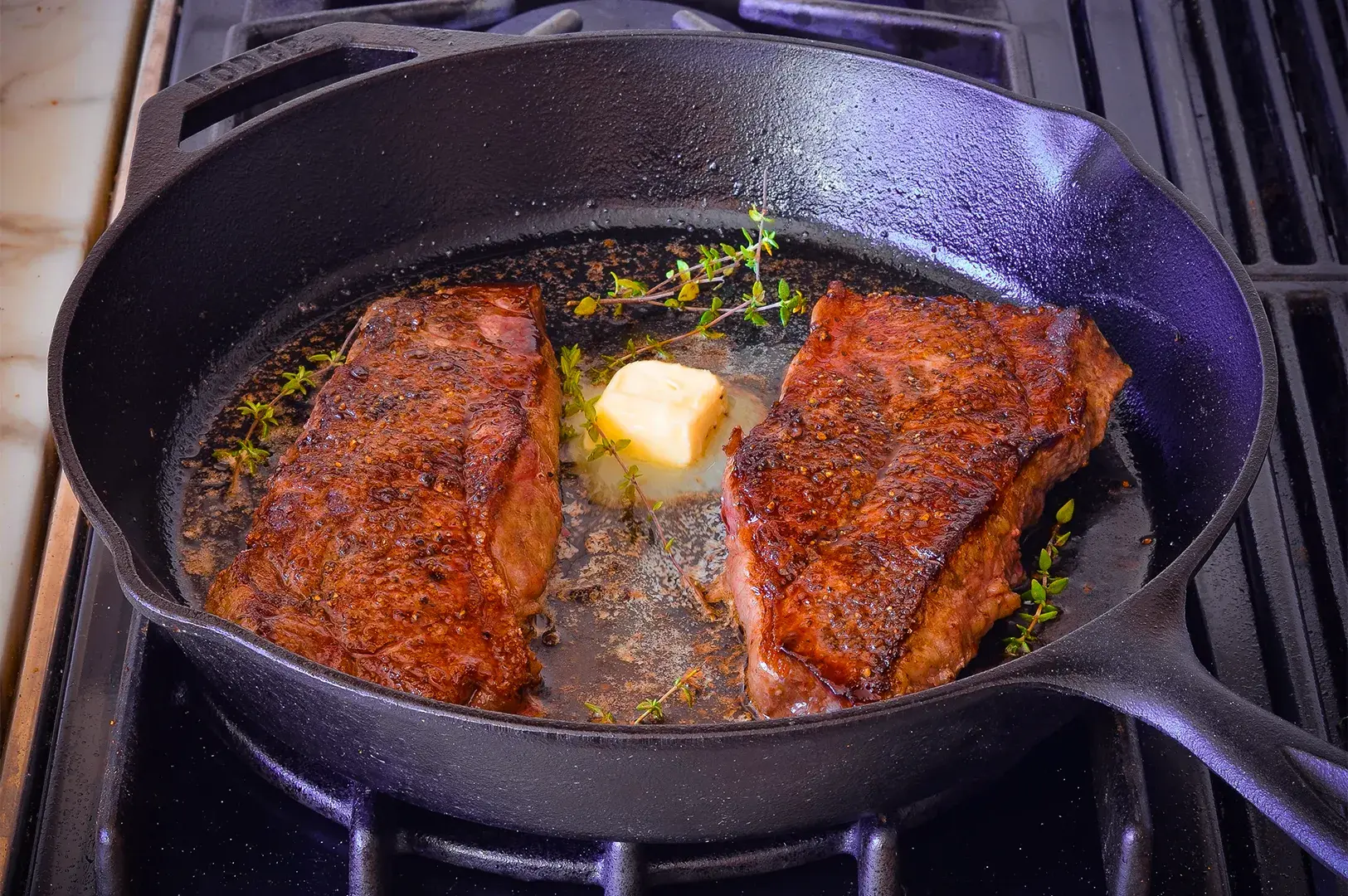
Pan searing over high heat is a popular method for cooking steaks like flat iron or chuck eye steaks. It creates a flavorful crust through the Maillard reaction. Grilling quickly over high heat is ideal for cuts like flank steak and skirt steak to lock in juices while achieving a smoky char.
Slow Cooking and Sous Vide for Tougher Cuts
Tougher cuts with more connective tissue, such as bottom sirloin or chuck eye steaks, benefit from slow cooking or sous vide methods. These techniques break down collagen, making the meat surprisingly tender and flavorful, often at half the price of premium cuts.
Slicing Against the Grain for Maximum Tenderness
For cuts like flank steak, skirt steak, and flat iron, slicing thinly against the grain is essential to maximize tenderness. This shortens the muscle fibers and makes the steak easier to chew.
What Makes a Steakhouse Worth the Reservation in Singapore
How do you know if a steakhouse is actually worth your time and money? In my experience, there are a few key quality indicators to look out for.
Clear Sourcing: A great restaurant will proudly tell you exactly where their beef comes from. Look for menus that list the origin, the breed, the grade, and the number of days the meat has been dry-aged.
Thoughtful Sides and Sauces: A steakhouse should not treat its side dishes as an afterthought. If I see beautifully executed creamed spinach, perfectly roasted asparagus, and house-made sauces that complement rather than mask the beef, I know I am in good hands.
Knowledgeable Service: The staff should be able to explain the menu clearly without making you feel intimidated. If you ask about the difference between grass-fed and grain-fed beef, or the merits of a butcher’s cut versus premium cuts, they should have a simple, helpful answer ready.
Butcher Shop Partnerships: Some steakhouses collaborate closely with local butcher shops to offer exclusive cuts like teres major or chuck eye steaks, ensuring freshness and quality.
Conclusion
At the end of the day, the art of steak is incredibly personal. The best steakhouse in Singapore is not necessarily the one with the most expensive Japanese Wagyu or the most dramatic tableside fire shows. It is the restaurant that matches your specific cravings, respects the ingredients, and makes you feel completely taken care of.
Do not be afraid to ask questions, try new cuts, and explore different aging methods. The journey of finding your perfect steak is half the fun.
If you enjoyed this educational guide and want to read more honest reviews and dining tips, please check out Luxury Dining SG for more similar articles to read. We love helping you discover the best tables in the city!