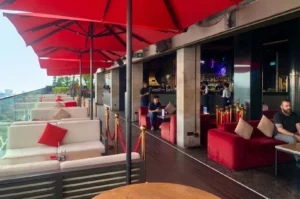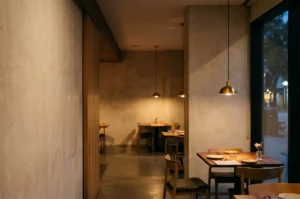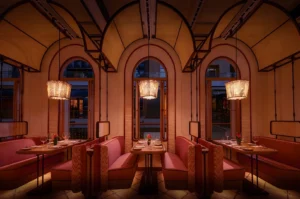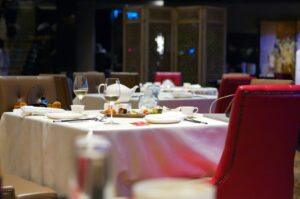
We have watched luxury dining change shape over the past decade, and the direction is now clear. The most coveted reservations are no longer the largest rooms with the most dramatic views. They are the smallest, most considered spaces, where a handful of guests sit close to the people cooking for them. Scale is giving way to intimacy, and we believe this shift defines the next era of fine dining.
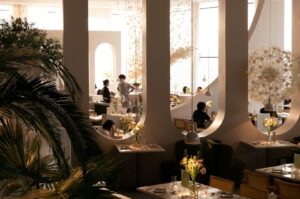
For years, the language of luxury was the language of size. Grand dining rooms, sweeping skylines, tables for sixty, menus that read like inventories. These places still have their place, and many do their work beautifully. But something has shifted in what discerning diners actually want. They are no longer impressed by spectacle alone. They want presence, the feeling of being somewhere specific, with someone who cares about the meal as much as they do.
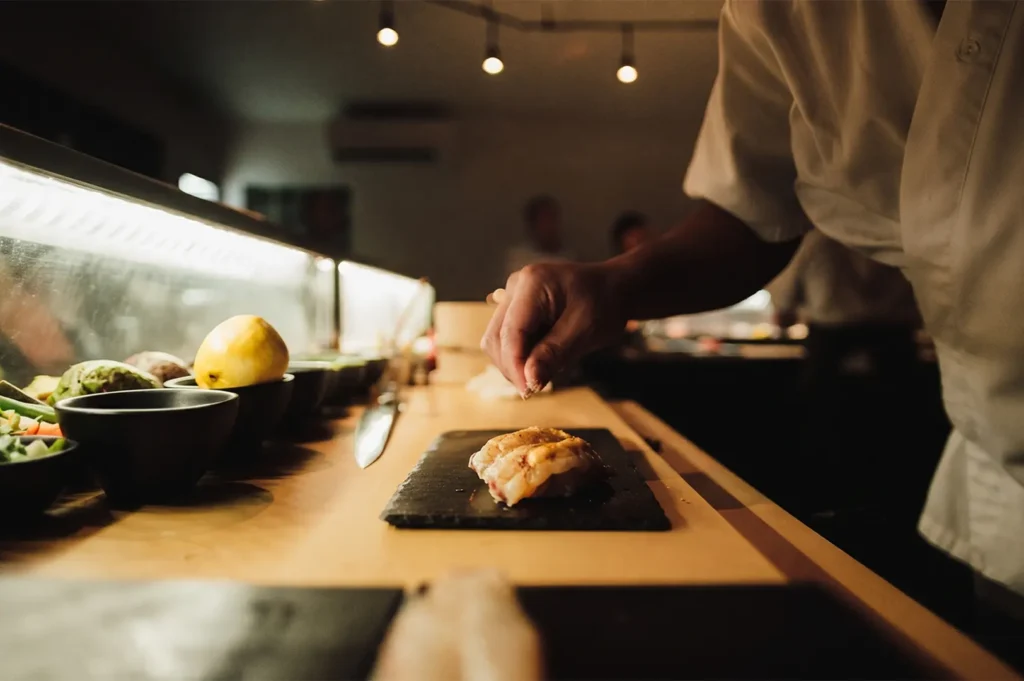
The clearest expression of this is the chef-driven counter. Eight seats, sometimes ten, arranged around an open kitchen where the chef works in full view. There is nowhere to hide, for the guest or the cook. Every gesture is visible; every plate is handed over directly. We have come to see these counters as the purest form of modern luxury, not because they are exclusive, though they often are, but because they collapse the distance between the kitchen and the table. You are not served at a counter like this. You are included.
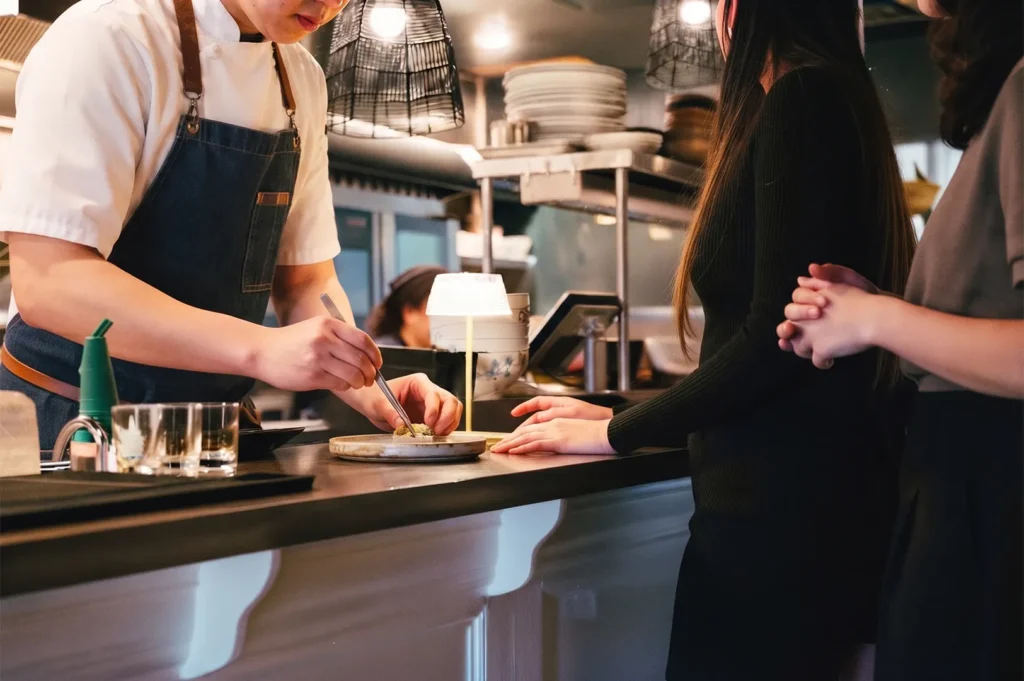
Private dining is moving in the same direction. The request we hear most often now is not for a bigger room, but for a quieter one. A separate space, a fixed group of people who already know each other, a meal that unfolds without the noise of a full restaurant pressing in. The value is not in being seen; it is in being undisturbed. That is a meaningful change from the era when the best table was the most visible one.
What connects all of this is a simple idea: the quality of connection now matters more than the scale of the experience. A diner can find a remarkable view almost anywhere in a city like ours. What is rare, and therefore valuable, is a meal that feels personal. A chef who remembers how you like things. A room small enough that the service never feels mechanical. A pace set by attention rather than table turns.
We do not think this is a passing preference. It reflects a deeper maturity in how people understand luxury. Abundance is no longer the point; intention is. The finest restaurants we follow are getting smaller on purpose, trading covers for care, and finding that guests will gladly pay more for less when the less is this considered.
The future of luxury dining, as we see it, will be measured not in square metres or guest counts, but in closeness. The closeness between a chef and the people they feed, and the closeness a meal can create between the people sharing it.
“True luxury is not found in how much we are given, but in how closely we are seen.”
For more reflections on where fine dining is heading, and the restaurants leading the way, visit Luxury Dining SG.