I still remember my very first omakase experience in Singapore. I sat at a beautiful wooden counter at a high-end sushi restaurant, nervous about what to do with my hands, terrified of dipping my sushi incorrectly, and quietly worrying about the final bill. When the chef handed me the first piece of nigiri, I hesitated. I did not know if I should use my fingers or chopsticks, and I definitely did not know if I was supposed to dip it in soy sauce. I ended up fumbling, and looking back, I realize how much of the omakase meal I missed because I was simply too anxious.
At Luxury Dining SG, we hear these same fears all the time. Omakase has a reputation for being intimidating and expensive. However, when you understand how omakase ordering works, it becomes one of the most relaxing and rewarding ways to enjoy Japanese dining. A chef is not there to test your knowledge; they are there to guide you through a carefully crafted multi course meal featuring the finest seasonal ingredients.
What Exactly Is Omakase? Understanding the Japanese Word and Culinary Experience
The Japanese word omakase translates directly to “I leave it up to you.” In the context of Japanese cuisine, it means you are handing total control of the menu over to the chef. Instead of choosing specific dishes à la carte, the chef takes the responsibility of selecting and serving seasonal specialties based on the freshest ingredients available that day and their personal cooking techniques.
Many restaurants across Singapore offer omakase menus ranging from affordable to luxury, but the essence remains the same: diners entrust the chef’s expertise to prepare a unique dining experience. The chef’s expertise ensures the selection of the freshest and highest quality ingredients, and omakase typically features a set menu curated by the chef. This personalized approach allows customers to savor dishes that highlight the best ingredients, showcasing Japanese traditions and meticulous preparation.
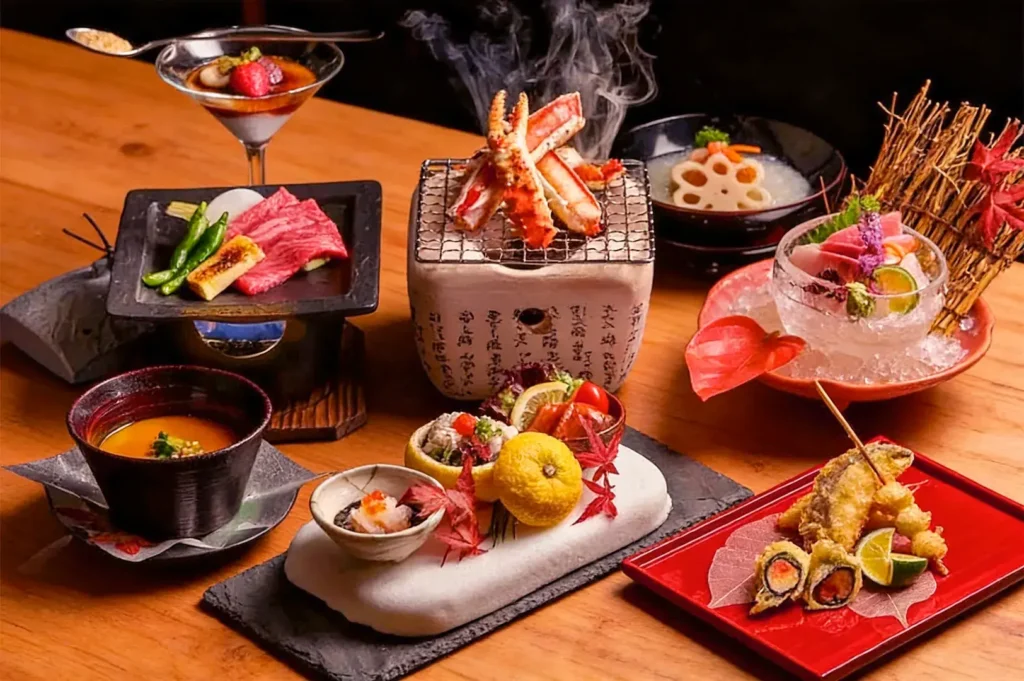
A common misconception is that omakase simply means “expensive raw fish.” In reality, omakase originated from the practice of regular customers at sushi restaurants trusting the chef to select the best seasonal ingredients, reflecting a deep relationship between chef and diner. Omakase also has its origins in Edomae-zushi, where customers would leave the selection of sushi to the chef, a tradition dating back to the late Edo period in Japan. While high-end sushi restaurants specializing in sushi and sashimi are the most famous venues for omakase dining, you can now find wagyu beef omakase, tempura omakase, and even shabu-shabu omakase across the city, each offering a distinct culinary experience.
The omakase meal is deeply structured. A skilled chef builds a progression of omakase courses starting with light, delicate flavors, moving into richer and fattier cuts, and finishing with a warm, comforting soup or sweet dessert. The set menu allows the chef to showcase their expertise and creativity using fresh ingredients. The meal typically lasts several hours, allowing diners to fully appreciate the chef’s artistry and the finest seasonal ingredients.
How to Choose the Right Omakase Restaurant in Singapore for Your Dining Experience
Singapore boasts a diverse range of Japanese restaurants, from casual sushi bars to Michelin Guide-recognized establishments. Choosing the right omakase restaurant depends on your preferences, budget, and the kind of omakase experience you seek.
Step 1: Decide on the Type of Omakase Experience You Want
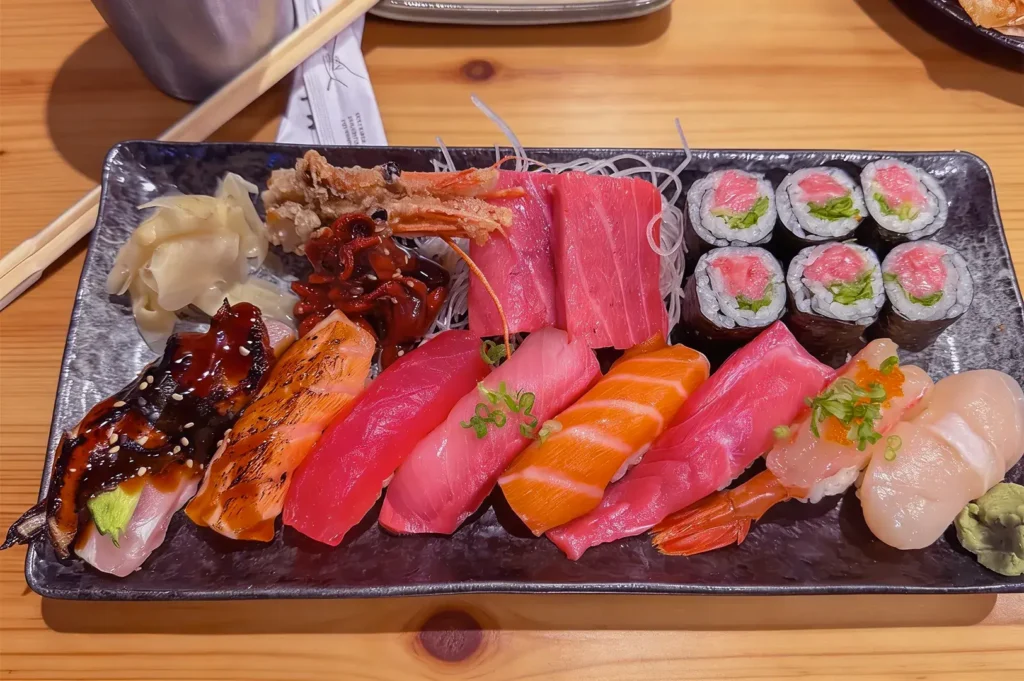
If you love sushi and sashimi, classic sushi restaurants specializing in Edomae-style sushi are ideal. These omakase restaurants focus on the freshest seafood flown in daily from Japan, including premium ingredients from Toyosu Market, and are renowned for their use of high quality ingredients—a hallmark of a superior omakase experience.
If you prefer cooked dishes or want to explore Japanese cuisine beyond sushi, look for kappo-style or kaiseki omakase restaurants. These offer multi course meals featuring seasonal specialties that showcase various cooking techniques, from grilling to steaming.
Step 2: Match Your Budget with Omakase Menus Ranging from Entry-Level to Luxury
Omakase dining in Singapore typically ranges from around S$80 to over S$500 per person, depending on the restaurant, ingredients, and number of courses. Entry-level omakase meals often feature fewer courses and more common seasonal ingredients. Mid-range omakase offers longer progressions with higher quality ingredients, while premium and luxury omakase restaurants provide rare fish, uni, and other delicacies, often accompanied by a personalized approach from the chef.
Step 3: Consider the Setting and Interaction
Few formal dining experiences offer as much intimacy as omakase dining. Counter seats allow diners to engage directly with the chef, who takes note of your reactions and may adjust the meal accordingly. This interaction is a hallmark of fine dining and Japanese dining traditions, making the omakase experience truly unique.
What to Know Before You Order Omakase: Etiquette and Practical Tips
Before you even step foot in the restaurant, there are a few critical things to keep in mind to ensure a smooth omakase experience.
Be Prepared for Strict Booking Policies
Omakase restaurants in Singapore often have limited seating, typically around 8 to 12 counter seats, to maintain the quality of the dining experience. Because chefs prepare dishes using the freshest ingredients flown in daily, they cannot afford no-shows. Expect to provide a credit card hold or pay a deposit when you book, with cancellations within 48 hours usually resulting in forfeiture.
Declare Your Dietary Restrictions Early
Since the chef takes full control of the meal, it is essential to inform the restaurant of any allergies or dietary restrictions when you make your reservation. Many chefs buy premium ingredients in precise quantities based on the expected diners, and last-minute changes can disrupt the flow of the meal and limit the chef’s ability to prepare safe substitutes.
Trust the Chef’s Expertise and Avoid Over-Substitutions
Omakase dining is about savoring the chef’s creativity and skill in using seasonal ingredients. Avoid requesting too many substitutions or rejecting dishes, as this can undermine the carefully planned progression and the chef’s cooking techniques. Instead, approach the meal with an open mind and willingness to explore new flavors.
A Guide to Omakase Dining Etiquette: How to Savor Dishes Like a Sushi Connoisseur
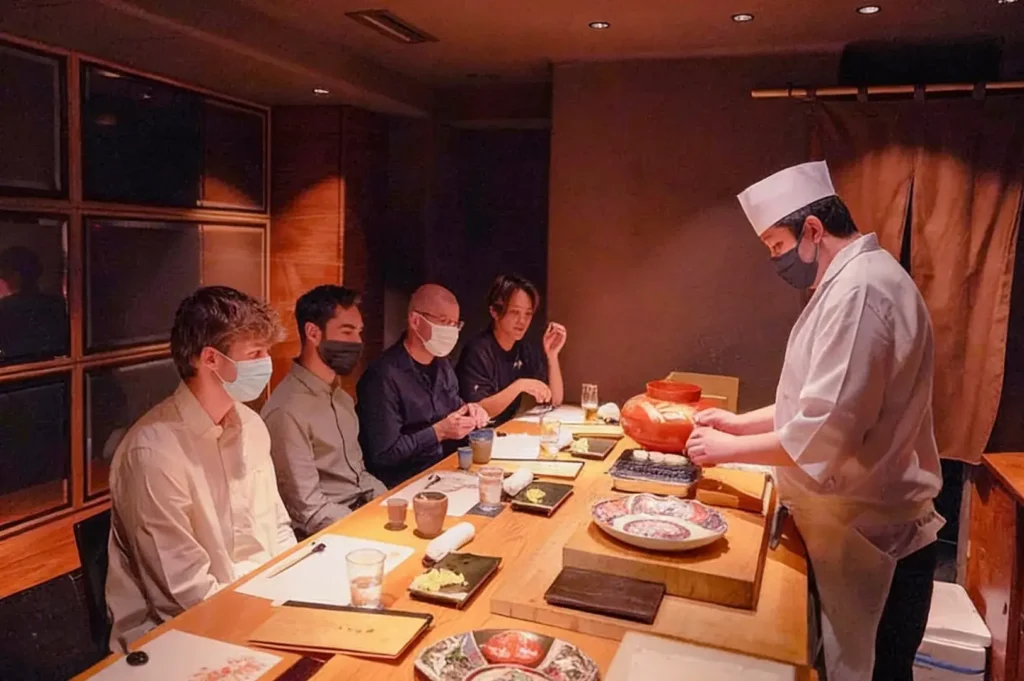
Sitting at an intimate sushi bar requires a slightly different set of manners than casual dining. Follow these simple rules to enjoy a good omakase meal and show respect for the chef’s expertise—practices embraced by sushi connoisseurs who appreciate the artistry and tradition of omakase dining.
1. Skip the Perfume or Strong Scents
High-quality sushi relies heavily on delicate aromas. Do not wear strong perfume or cologne, as you will be sitting close to other diners and the chef. Strong scents can overpower the subtle flavors and ruin the tasting experience.
2. Arrive on Time
Punctuality is crucial. Many omakase restaurants serve all guests in a synchronized sequence, and chefs prepare rice and dishes to be served at the perfect temperature when you sit down. Arriving late disrupts the rhythm and spoils the experience for others.
3. Eat Promptly and in One Bite
When the chef places a piece of nigiri or sashimi in front of you, eat it immediately to enjoy the optimal texture and flavor. Nigiri is designed to be eaten in one bite, allowing the fish, rice, and wasabi to blend perfectly.
4. Use Hands or Chopsticks—Both Are Acceptable
You can use either your hands or chopsticks to pick up sushi. If using hands, gently grasp the piece by the sides. If using chopsticks, handle the sushi carefully to avoid breaking the rice.
5. Use Soy Sauce Sparingly
At a good omakase restaurant, the chef often brushes fish with a special soy sauce or seasons it with salt or citrus. Dipping sushi heavily in soy sauce can overpower the flavors and insult the chef’s meticulous preparation.
6. Ask Before Taking Photos
Most omakase restaurants allow photography, but always ask first. Turn off your flash and be quick to avoid disturbing other diners or letting your food get cold.
Common Mistakes to Avoid When You Order Omakase Meal
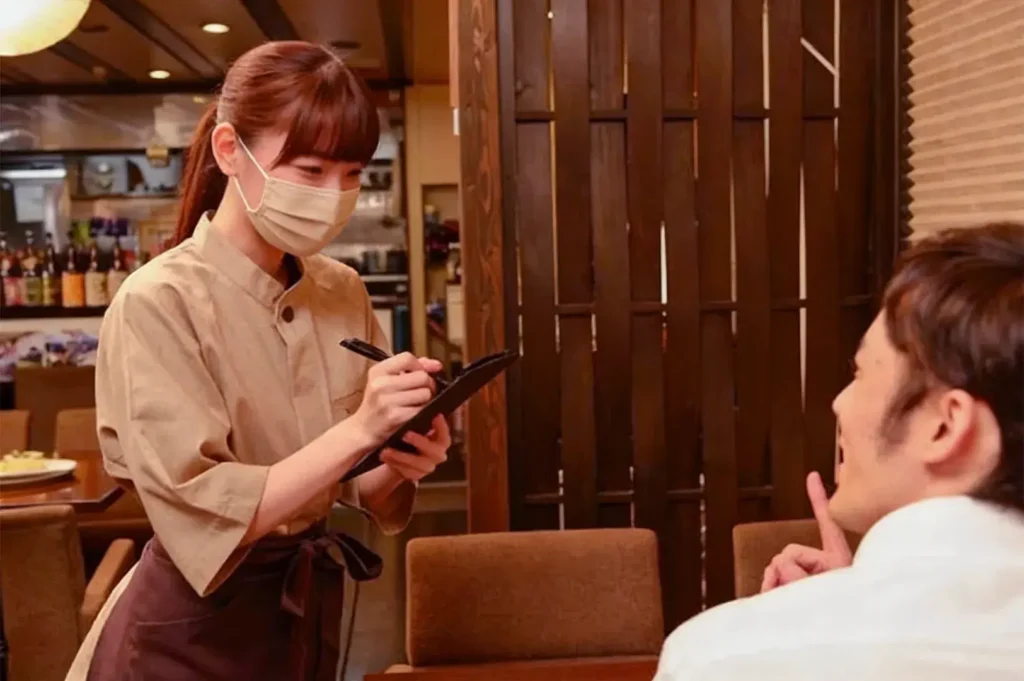
Ordering à la carte instead of omakase: The omakase experience is about trusting the chef to curate the meal. Ordering à la carte misses the point of savoring seasonal specialties in a thoughtful progression.
Biting sushi in half: Nigiri is crafted to be eaten whole for a harmonious balance of flavors.
Being too loud: The sushi bar is an intimate setting. Keep your voice respectful to maintain the ambiance.
Not informing the chef of allergies early: This can cause serious issues with ingredient preparation.
The Unique Appeal of Omakase Dining: A Spiritual Companion to Japanese Traditions
Omakase dining is more than just food; it is a spiritual companion to Japanese culinary traditions. It embodies the harmony between humans and nature by emphasizing seasonal ingredients and the chef’s artistry. The chef takes pride in their cooking techniques and uses premium ingredients to create a multi course meal that delights all senses.
Few formal dining experiences offer such a personalized approach, allowing diners to witness the chef’s meticulous preparation and artistry up close. This intimate setting fosters a connection between the chef and diners, making every omakase meal a unique culinary journey.
Where to Experience the Best Omakase Courses in Singapore: A Culinary Journey Through Seasonal Delights
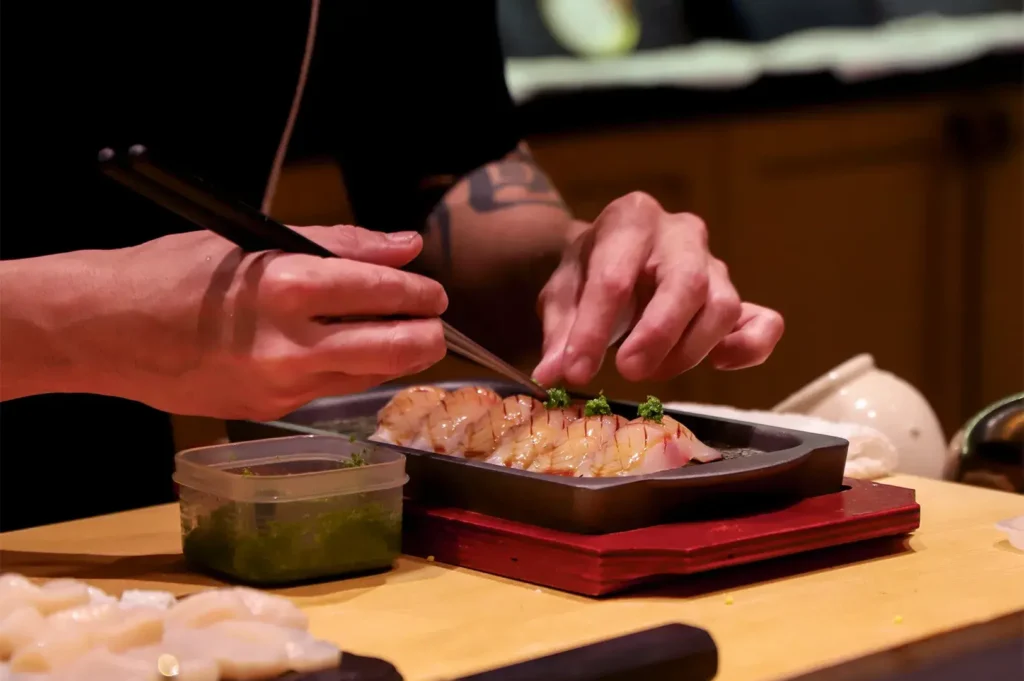
Singapore’s omakase scene is rich and diverse, offering a wide range of dining experiences that highlight the chef decide process and the art of choosing dishes. Many omakase restaurants in the city feature intimate counter seating, typically found in settings that accommodate 8 to 12 guests, allowing diners to engage directly with the chef and witness the meticulous preparation of each course.
Dinner starts with light appetizers that showcase seasonal ingredients, often flown in fresh from renowned markets such as Toyosu Market in Japan within 24 to 48 hours. The progression of dishes typically moves from delicate sashimi to expertly crafted nigiri sushi, cooked specialties, and concludes with a thoughtfully prepared dessert. This carefully curated progression enhances the overall dining experience and reflects the chef’s expertise in balancing flavors and textures.
Whether you seek a casual omakase dinner or a luxurious multi-course experience, Singapore’s omakase restaurants offer a variety of options that cater to different tastes and budgets, ensuring an unforgettable journey through Japanese cuisine.
Conclusion: Embrace the Omakase Experience and Order Omakase with Confidence
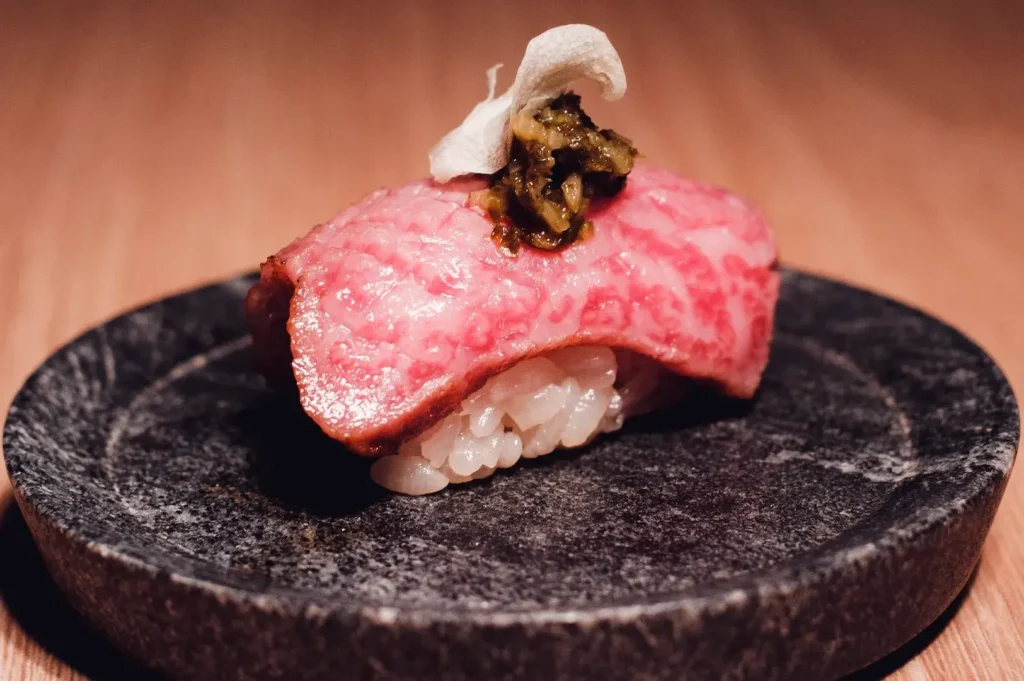
Stepping into an omakase restaurant for the first time might feel like entering a secret club with confusing rules, but it truly does not have to be stressful. The entire concept is built on hospitality and trust. By choosing a budget you are comfortable with, arriving on time, avoiding strong scents, and eating your food promptly, you will have a fantastic dining experience.
Allow the chef to take control, savor dishes crafted from the finest ingredients, and enjoy the spiritual companion that is omakase dining—a true celebration of Japanese cuisine and culinary artistry.
If you found this guide helpful and want to discover the best omakase restaurants and sushi bars in Singapore, please check out Luxury Dining SG for more articles, reviews, and insider tips. Your next unforgettable omakase meal awaits.