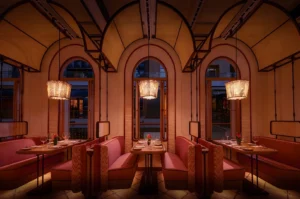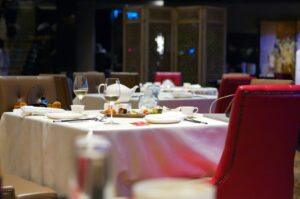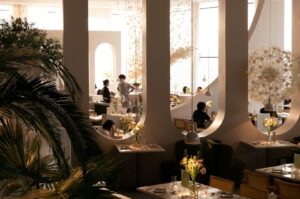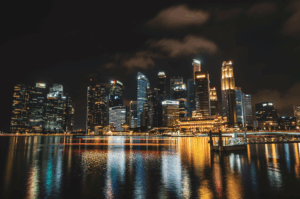
I open a digital calendar at precisely midnight, waiting for a booking window to materialize. It is a familiar modern ritual. We no longer simply walk into a restaurant of consequence; we secure our passage weeks in advance. The act of obtaining a table has evolved into a distinct preliminary phase of the culinary experience. It is a calculated friction, designed to filter the casual diner from the committed observer.
When I finally secure a time slot, a subtle psychological shift occurs. The reservation transforms from a mere logistical detail into an object of tangible value. It becomes a measure of access in a landscape defined by controlled scarcity. This gatekeeping is rarely an act of arrogance; rather, it is a necessary mechanism for establishments operating at the highest levels of technical mastery. A chef working with finite, highly specific ingredients requires absolute predictability. The strict reservation system enforces order on chaos, ensuring that the kitchen’s creative vision can be executed with exacting precision, entirely free from the unpredictable compromises of volume dining.
Yet, there is an undeniable undercurrent of prestige woven into this process. Exclusivity naturally breeds anticipation. As the weeks pass, the pending reservation sits quietly on my schedule, commanding a specific kind of mental real estate. The delay magnifies the stakes of the impending meal. It frames the eventual dinner as a culmination rather than a simple evening out. I am no longer just paying for the execution of a tasting menu; I am participating in an intricate economy of time and access. The wait becomes a seasoning all its own.
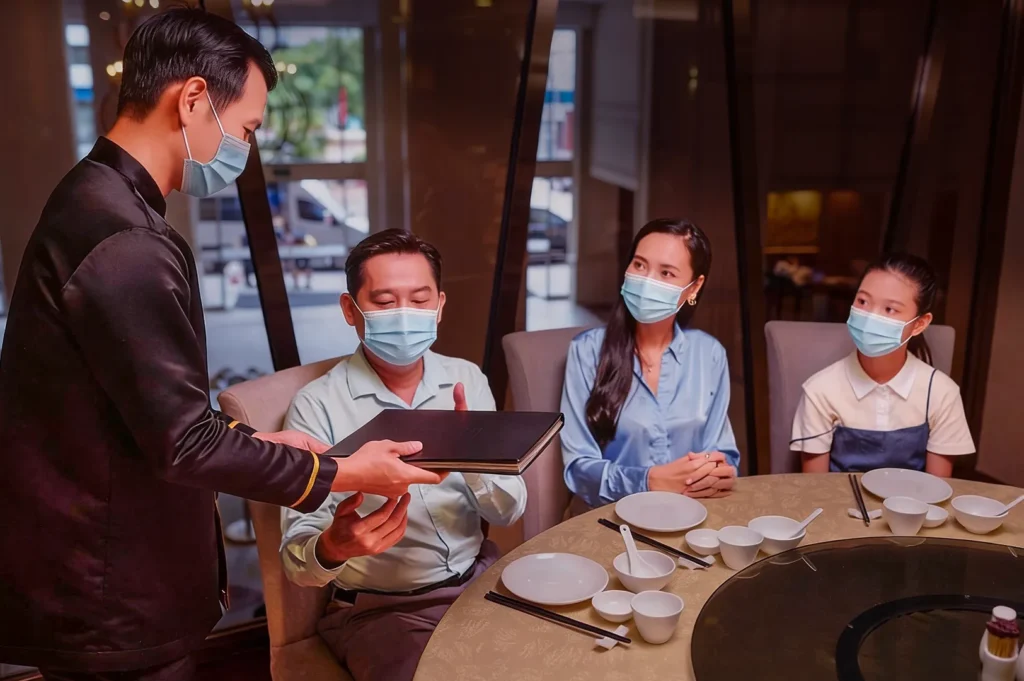
Stepping through the doors of a highly sought-after dining room carries a distinct physical sensation. The noise of the street fades, replaced by the hushed, deliberate cadence of a room operating exactly at its calculated capacity. The friction of the booking process immediately dissipates, leaving only the realization that the barrier to entry was entirely intentional. It sets a baseline of mutual respect between the house and the guest. I arrive already invested in the chef’s narrative, primed by the weeks of waiting to analyze every layered component of the meal. The difficulty of the acquisition forces a heightened state of attention. We rarely take for granted that which was difficult to obtain.
This entire apparatus of anticipation ultimately serves the final product. It demands that the diner arrive with deliberate intention, stripping away the distracted nature of modern consumption. The weight of the reservation ensures that when the first plate is finally placed on the table, it is met with the quiet, focused consideration it truly requires.
“Scarcity is the foundation of value, but anticipation is the architect of memory.”
If you found this exploration of culinary culture compelling, I invite you to discover more profound insights and detailed reviews by visiting Luxury Dining SG.